As the days get shorter and darker, that heavy fog settles in, and suddenly getting out of bed feels impossible – you’re not alone, and you can prevent winter depression symptoms before they take over your entire season.
Embrace natural light
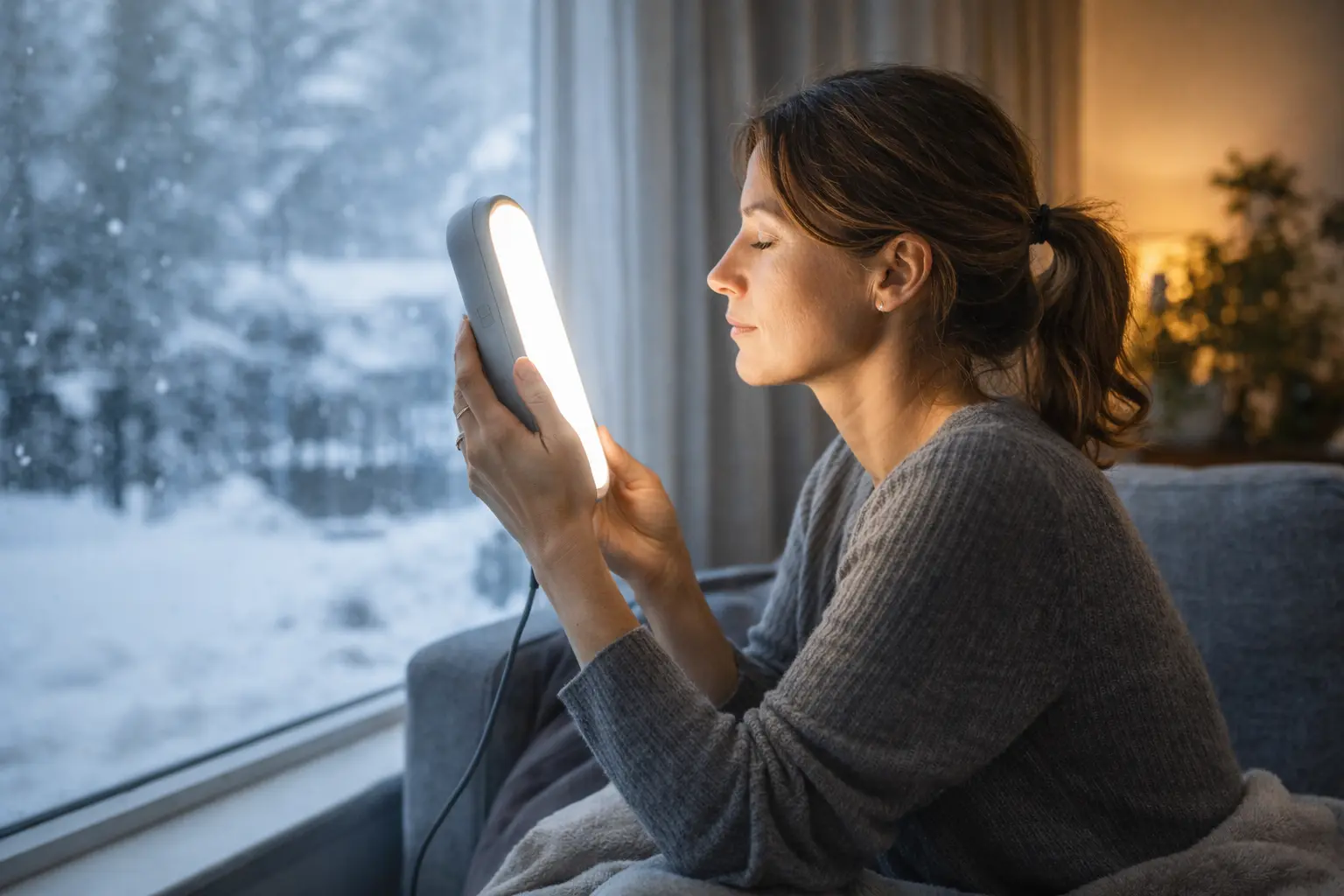
Natural light is one of the most powerful tools you have against seasonal depression, yet many seniors unknowingly spend their darkest months indoors with curtains drawn. Your body relies on light exposure to regulate circadian rhythms and produce serotonin, the chemical that keeps your mood stable. When you sit near a window during morning hours, you’re essentially resetting your internal clock and signaling to your brain that it’s time to be alert and engaged. Consider this scenario: Margaret, a 72-year-old retiree, noticed her mood plummeting by November each year. She started taking a 20-minute walk every morning at 9 AM, even on cloudy days, and within two weeks reported feeling noticeably lighter. If outdoor time isn’t feasible due to mobility issues or severe weather, light therapy lamps that mimic natural daylight can be equally effective. Position one near your breakfast table or reading chair and use it for 20 to 30 minutes daily. Rearrange your living space to maximize window access, move your favorite chair closer to natural light sources, and open all blinds and curtains during daylight hours. Small changes compound into significant mood improvements.
- Go for a walk in the morning to soak up sunlight
- Use light therapy lamps if sunlight exposure is limited
- Consider rearranging furniture to increase natural light in your home
Maintain a healthy routine
Structure is your anchor during the darker months. When depression whispers that staying in bed is easier, a consistent routine becomes your defense. Your body thrives on predictability, and seniors who maintain regular meal times, exercise schedules, and sleep patterns experience significantly fewer depressive episodes. Physical activity is particularly crucial because it triggers endorphin release, your brain’s natural mood elevators. You don’t need intense workouts; a 30-minute walk, gentle swimming, or even chair-based exercises count. Think of Robert, a 68-year-old who struggled with winter fatigue until he committed to a daily noon yoga class at his community center. The combination of movement, social interaction, and routine transformed his winter experience. Nutrition matters equally. Seasonal depression often triggers cravings for carbohydrates and sugar, which create energy crashes that deepen low mood. Instead, prioritize protein-rich foods, omega-3 fatty acids from fish, and complex carbohydrates that sustain energy. Establish a sleep schedule by going to bed and waking at the same time daily, even on weekends. Adequate hydration often gets overlooked but dehydration directly impacts mood and energy levels. These foundational habits work together to stabilize your physical and mental health.
📘 Fix your day in under 2 minuteschoose where to begin:
Stay connected
Isolation amplifies seasonal depression, yet winter naturally pulls people indoors and away from social circles. This is precisely when connection becomes most critical. Regular contact with friends and family, whether through phone calls, video chats, or in-person visits, provides emotional support and reminds you that you matter. Consider Helen, a 75-year-old widow who dreaded winter alone until her daughter suggested a weekly video call with grandchildren every Sunday morning. That single commitment gave her something to anticipate and broke the isolation cycle. Joining clubs, volunteer groups, or classes creates structured social opportunities and a sense of purpose. Many communities offer winter activities specifically designed for seniors: book clubs, craft groups, fitness classes, or religious gatherings. If mobility is limited, virtual groups work equally well. Online bridge clubs, knitting circles, and discussion groups connect you with others facing similar challenges. The key is consistency and genuine engagement, not just passive participation. Even brief interactions, like chatting with a neighbor or calling an old friend, release oxytocin and reduce stress hormones. Schedule social activities on your calendar just as you would medical appointments, treating them with equal importance. Connection is medicine.
Practice relaxation techniques
When seasonal depression tightens its grip, your nervous system stays in a heightened stress state, making everything feel heavier and more difficult. Relaxation techniques interrupt this cycle by activating your parasympathetic nervous system, the part responsible for calm and recovery. Deep breathing is your most accessible tool. Try the 4-7-8 technique: inhale for four counts, hold for seven, exhale for eight. This simple practice signals safety to your brain and can be done anywhere, anytime. Meditation doesn’t require special equipment or experience. Start with just five minutes of sitting quietly, focusing on your breath, and gently returning your attention when your mind wanders. Apps like Insight Timer offer guided meditations specifically for seniors and mood management. Yoga, especially gentle or chair-based varieties, combines movement with mindfulness and is highly effective for depression. Consider Earl, a 70-year-old skeptical about meditation until his therapist suggested trying it during his darkest moments. Within three weeks of daily 10-minute sessions, he noticed his anxious thoughts quieted and his mood stabilized. Mindfulness practices help you observe negative thoughts without judgment, creating distance between you and depression’s lies. Even 10 minutes daily produces measurable improvements in mood, sleep quality, and overall resilience. These techniques cost nothing and work alongside any other treatment.
Seek professional support
If you’ve implemented these strategies consistently for several weeks and still experience persistent sadness, hopelessness, fatigue, or loss of interest in activities you once enjoyed, professional support is necessary and appropriate. Seasonal affective disorder is a recognized medical condition, not a personal failing or weakness. Mental health professionals, including therapists, counselors, and psychiatrists, offer evidence-based treatments specifically designed for seasonal depression. Cognitive behavioral therapy focuses on identifying and changing thought patterns that fuel depression. Light therapy combined with therapy often produces faster results than either approach alone. Some seniors benefit from short-term medication during winter months, adjusted or discontinued as daylight increases. Your primary care doctor can provide referrals or screen for depression using validated tools. Don’t wait until depression becomes severe; early intervention prevents suffering and speeds recovery. Consider James, a 76-year-old who resisted therapy until his daughter insisted. Within six weeks of working with a therapist, he understood how his thought patterns amplified seasonal depression and learned concrete coping skills. Professional support offers personalized strategies tailored to your unique situation, health history, and needs. Reaching out is strength, not surrender.
Prevent winter depression symptoms by embracing natural light exposure, maintaining consistent routines with regular exercise and nutrition, staying actively connected with others, practicing daily relaxation techniques like meditation and deep breathing, and seeking professional support when symptoms persist despite self-care efforts.
How can natural light help in preventing seasonal depression?
Exposure to natural light regulates your circadian rhythm and stimulates serotonin production, the neurotransmitter responsible for stable mood. Morning sunlight exposure, even on cloudy days, signals your body to wake and be alert. Light therapy lamps provide an effective alternative when outdoor time is limited, delivering the same mood-boosting benefits when used for 20 to 30 minutes daily.
What are some relaxation techniques to manage seasonal depression?
Effective relaxation techniques include deep breathing exercises like the 4-7-8 method, meditation starting with just five minutes daily, gentle yoga or chair-based yoga, and mindfulness practices that help you observe negative thoughts without judgment. These techniques activate your parasympathetic nervous system, reducing stress and promoting calm. Consistency matters more than duration; even 10 minutes daily produces measurable mood improvements.
Others also read:
Disclaimer: This article is for informational purposes only and is not a substitute for professional medical advice. Always consult a healthcare professional for personal guidance.
This guide has been prepared and reviewed by the GlobalHealthBeacon editorial team and reflects current medical research as of 2026. It provides structured, evidence-based information to support informed health decisions.
