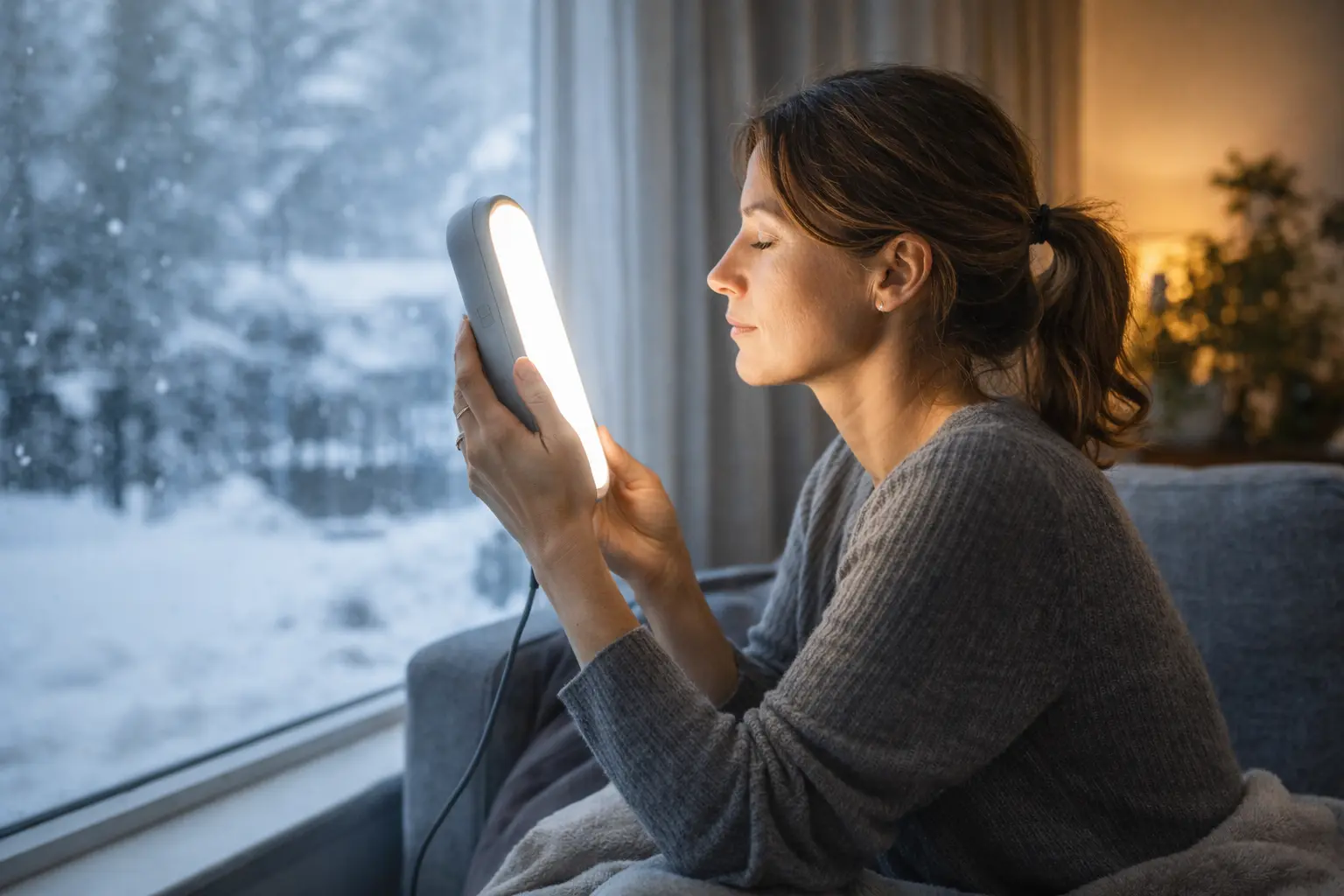
You’re dragging yourself out of bed at 8am when it’s already dark outside, that crushing fatigue hits before noon, and nothing sounds fun anymore—this is what winter depression feels like, and if you’re struggling to prevent winter depression symptoms from taking over your season, you’re definitely not alone.
Symptoms that signal winter depression
Picture this: it’s November, and suddenly everything feels heavier. You’re sleeping ten hours but still waking up exhausted. Your coworker mentions grabbing lunch, and you realize you haven’t eaten all day—or you’ve eaten an entire bag of chips without noticing. That’s what winter depression looks like for many young adults. The symptoms creep in gradually, which makes them easy to dismiss at first. You might notice you’re snapping at friends over small things, struggling to focus during meetings, or feeling this persistent gray cloud hanging over your mood. Some people describe it as moving through life in slow motion. In more intense cases, that sadness deepens into something darker: hopelessness, isolation, or feeling like nothing will get better. The key difference between winter blues and actual depression is the intensity and how much it interferes with your daily life.
- Fatigue and low energy levels despite getting enough sleep
- Increased appetite, particularly for carbohydrates and sweets
- Difficulty concentrating and making decisions
Strategies to combat winter depression
Let’s get real about what actually helps. First, light exposure is non-negotiable. Even a 20-minute walk outside on a cloudy day makes a difference—your brain craves that daylight, especially when the sun sets at 4:30pm. Second, movement matters more than you think. You don’t need to become a gym person; a 30-minute walk, dancing in your room, or even stretching counts. Third, your diet influences your mood more than you realize. When you’re craving carbs and sugar, that’s your brain signaling it needs serotonin support—whole grains, protein, and omega-3s help stabilize that. Fourth, relaxation practices like yoga, meditation, or even breathing exercises give your nervous system permission to calm down. Finally, social connection is medicine. Even when you want to isolate, reaching out to one friend or joining a group activity pulls you out of the depression spiral. The mistake most young adults make is waiting until they feel better to do these things. You have to start while you’re still struggling.
💬 Ready to feel better in 2 minutes?choose where to begin:
Building resilience through positive coping mechanisms
Resilience isn’t something you’re born with; it’s something you build, especially during dark months. Start by identifying what brings you genuine joy, not what you think should bring you joy. For some people it’s gaming with friends, for others it’s creative projects or volunteering. The point is doing it intentionally, not scrolling mindlessly. Set small, achievable goals—not ‘get fit by January,’ but ‘take a walk three times this week.’ Establish a daily routine that anchors you, even if it’s simple: wake at the same time, eat breakfast, get outside before noon. When you’re depressed, routine feels like a life raft. Also, don’t underestimate the power of professional support. A therapist or counselor isn’t just for crisis moments; it’s preventative care. Many young adults find that talking to someone trained in seasonal affective patterns gives them tools they wouldn’t discover alone. The resilience comes from knowing when to reach out and actually doing it.
Creating a supportive environment
Your environment shapes your mental health more than you probably realize. Start by being honest with your inner circle about what you’re experiencing. Instead of saying ‘I’m fine,’ try ‘I’m dealing with winter depression and I need support.’ Real friends will show up. Participate in group activities, even when you don’t feel like it—a weekly coffee date, a fitness class, a gaming session, anything that puts you around other people. Group therapy or support groups specifically for seasonal depression can be transformative because you realize thousands of other young adults are in the exact same boat. Social media can feel like connection but often deepens isolation; prioritize in-person or real conversations instead. Create physical spaces that feel warm and inviting—good lighting, plants, comfortable spots to spend time. Tell your family or roommates what helps you and what doesn’t. Some people need space; others need gentle check-ins. Communication prevents misunderstandings and builds the safety net you need to get through winter.
Winter depression is real, it’s treatable, and you don’t have to white-knuckle through it alone. Recognizing the symptoms early, taking action with light exposure and movement, building daily routines, and leaning on your support system are the foundations of managing this season. The young adults who handle winter depression best aren’t the ones who feel it less; they’re the ones who understand it, plan for it, and ask for help when they need it.
How can I differentiate between normal winter blues and winter depression?
Winter blues feel like a mild dip in mood that comes and goes. Winter depression is persistent, affects your ability to work or socialize, and involves physical symptoms like sleep or appetite changes. If sadness lasts weeks, feels heavy, and interferes with daily life, that’s depression. Trust your gut—if something feels off enough to worry about, it’s worth talking to a healthcare provider.
Is winter depression treatable without medication?
For mild to moderate cases, lifestyle changes work well: light therapy, exercise, social connection, and routine can genuinely shift your mood. Many young adults see improvement within weeks of consistent effort. However, severe cases often benefit from medication or therapy, and that’s okay. There’s no weakness in using medication; it’s another tool in your toolkit. Talk to a doctor or therapist to figure out what you need.
Others also read:
Disclaimer: This article is for informational purposes only and is not a substitute for professional medical advice. Always consult a healthcare professional for personal guidance.
This article presents an experience-based perspective and has been reviewed by the GlobalHealthBeacon editorial team in 2026. It provides structured, evidence-based information to support informed health decisions.
