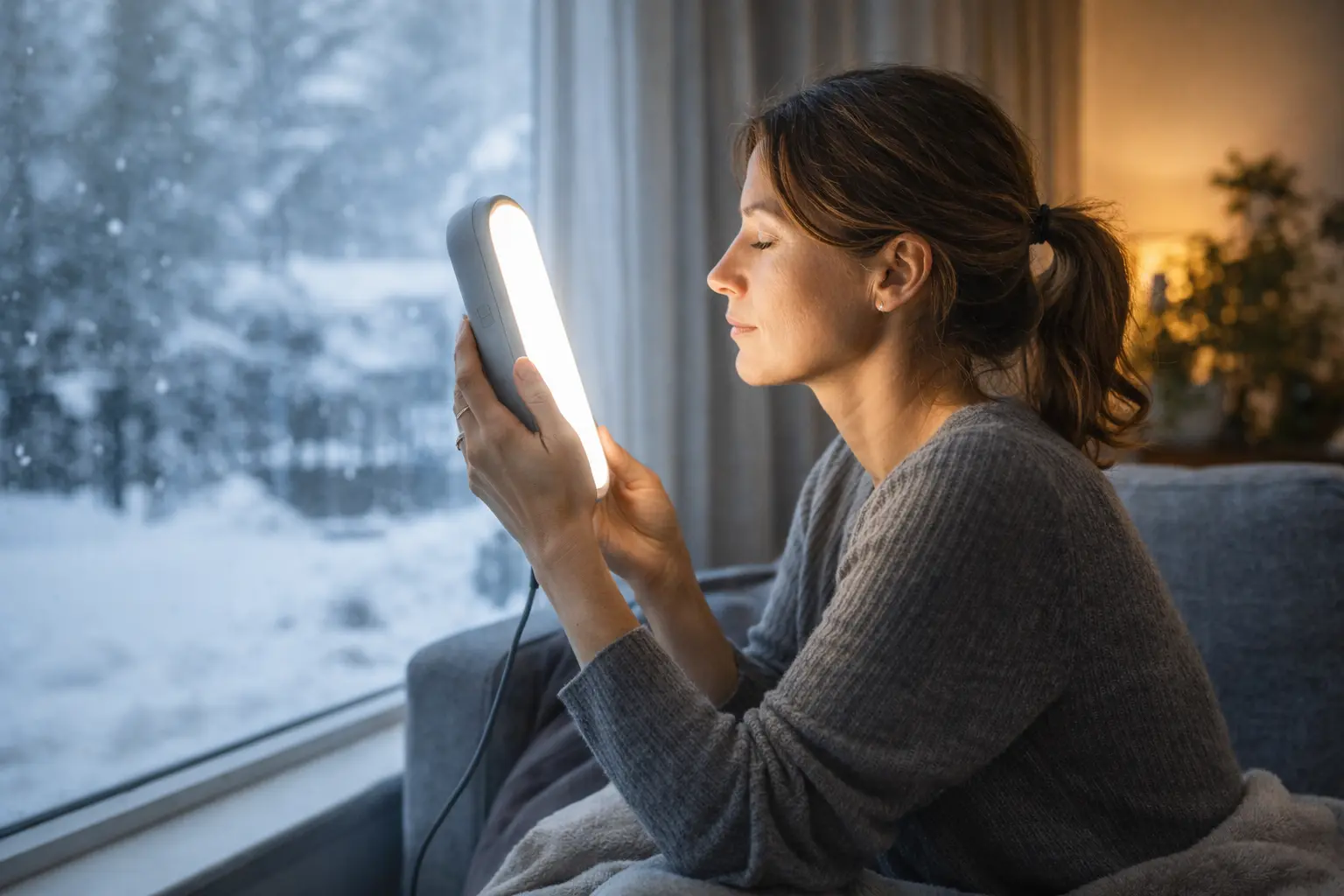
You wake up at 7 AM but it’s still pitch black outside, and suddenly getting out of bed feels impossible, your mood tanks, and that heaviness just won’t lift, but here’s the thing: you can actually prevent winter depression symptoms with something as simple as sitting in front of a light box.
The science behind light therapy
Light therapy, also called phototherapy, works by exposing your eyes to artificial light that closely mimics natural sunlight. Think of it this way: your body has an internal clock called your circadian rhythm, and it relies heavily on light cues to stay synchronized. During winter, when daylight hours shrink dramatically, this clock gets confused. Your brain produces less serotonin, the neurotransmitter responsible for mood regulation, and melatonin production gets thrown off balance. Light therapy essentially resets this system by sending signals to your brain that it’s daytime, triggering the release of serotonin and suppressing melatonin at the right times. Research shows that light exposure influences the suprachiasmatic nucleus, a tiny region in your brain that controls sleep-wake cycles and mood. When you sit in front of a light therapy box emitting 10,000 lux of light, photoreceptors in your retina send messages that cascade through your nervous system, gradually restoring your natural rhythm and lifting your mood.
Understanding seasonal affective disorder (SAD)
Seasonal Affective Disorder is a real form of depression that strikes when daylight becomes scarce, typically between October and March in the Northern Hemisphere. Women experience SAD at roughly twice the rate of men, which is why understanding this condition matters so much for your health. The symptoms go beyond just feeling a bit blue: persistent sadness, overwhelming fatigue even after sleeping ten hours, carbohydrate cravings that feel almost compulsive, difficulty concentrating, and a sense of hopelessness can all show up. Imagine feeling like you’re moving through water, where even simple tasks require enormous effort. Some women describe it as their brain being wrapped in fog. SAD isn’t laziness or weakness; it’s a documented condition linked to reduced light exposure affecting brain chemistry. Light therapy stands out as a non-invasive, evidence-based treatment that doesn’t require medication. Many women find that using a light therapy box consistently can shift their entire winter experience from dreading the season to managing it effectively.
How to incorporate light therapy into your routine
Starting light therapy requires a few practical steps. First, invest in a light therapy box that emits at least 10,000 lux of light; this intensity is what research shows actually works. Position the light box about 16 to 24 inches from your face at a slight angle, never shining directly into your eyes. Timing matters tremendously: use your light box within the first hour of waking up, ideally between 6 and 9 AM, for 20 to 30 minutes daily. This morning exposure tells your brain it’s time to wake up and be alert. A common mistake women make is using light therapy too late in the day, which can actually interfere with sleep. Another pitfall is expecting results overnight; most people need consistent use for three to seven days before noticing shifts in mood and energy. Create a ritual around it: sit with your light box while you drink coffee, check emails, or read. Consistency is the real secret here. Missing days or using it sporadically won’t give your circadian rhythm the clear signal it needs to reset. Think of it like taking a daily vitamin for your mood.
- Select a reputable light therapy device with at least 10,000 lux intensity and position it 16 to 24 inches from your face
- Set up a daily morning routine for light exposure between 6 and 9 AM for 20 to 30 minutes
- Stay consistent with your light therapy schedule every single day, even on weekends, to maintain circadian rhythm stability
🔬 Science-backed benefits in 2 minuteschoose where to begin:
Benefits of light therapy for women’s mental health
Women face unique challenges during winter months, and light therapy addresses them directly. Because women are diagnosed with SAD at twice the rate of men, this therapy becomes particularly valuable for maintaining mental health stability. Beyond mood elevation, light therapy increases energy levels, reduces that crushing fatigue, and diminishes feelings of sadness and anxiety. Many women report that their motivation returns, they stop oversleeping, and their appetite normalizes. Picture yourself in February feeling alert at 3 PM instead of fighting to keep your eyes open. Light therapy can restore your ability to enjoy activities you love, reconnect with friends, and feel like yourself again. The beauty of this approach is that it’s natural, non-pharmaceutical, and works with your body’s own biological systems rather than against them. Women often appreciate that light therapy has minimal side effects compared to other interventions, making it a gentle yet effective tool for protecting mental well-being during the darker months.
Research findings on light therapy and mood regulation
Scientific evidence strongly supports light therapy’s effectiveness for SAD and mood regulation. Multiple randomized controlled trials have demonstrated that light therapy produces measurable improvements in depressive symptoms, often within days of starting treatment. Neuroimaging studies show that light exposure activates brain regions associated with mood regulation and reward processing. Research published in major psychiatric journals confirms that 10,000 lux light therapy for 30 minutes daily produces response rates of 50 to 80 percent in people with SAD. The mechanism is well understood: light stimulates the production of serotonin, increases dopamine activity, and helps regulate melatonin secretion at appropriate times. Studies comparing light therapy to antidepressant medications show comparable effectiveness for seasonal depression, with light therapy often producing results faster and with fewer side effects. One landmark study found that women using light therapy showed significant improvements in mood, sleep quality, and daytime functioning within just one week. The consistency of these findings across different research groups and populations makes light therapy one of the most evidence-backed interventions for seasonal mood changes.
The role of light therapy in winter depression prevention
Rather than waiting until depression hits hard, light therapy works beautifully as a preventive tool. Starting light therapy in early fall, before symptoms typically emerge, can stop winter depression from developing in the first place. By maintaining your circadian rhythm throughout the darker months, you’re essentially keeping your brain chemistry stable and resilient. Light therapy simulates natural daylight, which tells your body it’s still experiencing normal seasonal light patterns. This prevents the cascade of neurochemical changes that lead to depression. Think of it as preventive maintenance for your mental health. Women who’ve struggled with SAD in previous winters often find that beginning light therapy in September or October stops the familiar downward spiral before it starts. You maintain better sleep quality, your energy stays consistent, and your mood remains stable. The investment in a light therapy box becomes worthwhile when you consider avoiding weeks or months of depression. Many women describe using light therapy preventively as reclaiming their winter, transforming it from a season to endure into one they can actually enjoy.
Light therapy offers a scientifically grounded approach to prevent winter depression symptoms by working with your body’s natural circadian rhythm and neurotransmitter systems. Research consistently demonstrates that light therapy effectively combats Seasonal Affective Disorder, particularly in women who experience this condition at higher rates. By understanding how light influences mood regulation and implementing a consistent daily light therapy routine, you can maintain mental well-being and energy throughout the darker months.
Is light therapy safe for daily use?
Light therapy is considered safe for daily use when used as directed. Most people experience minimal side effects, though some report temporary eye strain, headaches, or mild jitteriness when first starting. These effects typically subside within a few days. It’s important to follow the manufacturer’s instructions regarding distance and duration, and consult with a healthcare provider before beginning light therapy, especially if you have eye conditions, bipolar disorder, or take medications that increase light sensitivity.
How long does it take to see results from light therapy?
Many people notice improvements in mood and energy levels within three to seven days of consistent daily use, though some experience changes even sooner. Full benefits typically emerge within two to four weeks of regular light therapy. The timeline varies based on individual factors like the severity of symptoms, consistency of use, and personal biology. Sticking with your daily routine is crucial; skipping days can delay results. If you don’t notice improvement after four weeks of consistent use, discuss this with your healthcare provider, as they may recommend adjustments to timing, duration, or intensity.
Others also read:
Disclaimer: This article is for informational purposes only and is not a substitute for professional medical advice. Always consult a healthcare professional for personal guidance.
This article has been prepared and reviewed by the GlobalHealthBeacon editorial team and is based on current medical research and published scientific literature available in 2026. It provides structured, evidence-based information to support informed health decisions.
← Back to the Main page on: prevent winter depression symptoms
