You wake up at 3 PM and it’s already dark outside, your energy is completely drained, and you can’t shake this heavy feeling that settles over you every single winter – but here’s the thing: you’re not broken, your brain is just responding to real biological changes, and understanding how to prevent winter depression symptoms is the first step to taking back control.
Biological clocks and seasonal changes
Your body runs on an internal 24-hour clock called a circadian rhythm, and it’s far more powerful than most people realize. This biological timekeeper controls everything from when you feel alert to when your body produces hormones that make you sleepy. During winter, when daylight hours shrink dramatically, your circadian rhythm gets confused. Imagine your body expecting sunrise at 6 AM, but the sun doesn’t actually appear until 8 AM. This mismatch creates a cascade of effects. Your brain’s master clock, located in a region called the suprachiasmatic nucleus, relies heavily on light signals to stay synchronized with the external world. When those signals weaken, your entire system falls out of sync. Melatonin production shifts, cortisol patterns change, and your body struggles to maintain its normal rhythm. Young adults are particularly susceptible because your circadian systems are still highly responsive to environmental cues. This isn’t laziness or weakness – it’s pure neurobiology responding to environmental stress.
Serotonin, melatonin, and mood regulation
Think of serotonin as your brain’s mood stabilizer and motivator. It’s the neurotransmitter that helps you feel engaged, optimistic, and capable of tackling your day. Sunlight exposure triggers serotonin production in your brain, which is why sunny days often feel more energizing. When winter arrives and daylight diminishes, your serotonin levels naturally drop. Simultaneously, your body produces more melatonin, the hormone that promotes sleep and rest. While melatonin is essential for quality sleep, too much of it during waking hours leaves you feeling foggy and unmotivated. Picture this scenario: a young adult working indoors all day during winter receives minimal natural light exposure. Their serotonin production dips while melatonin remains elevated, creating a neurochemical state that feels like depression. The brain isn’t malfunctioning – it’s responding exactly as evolution designed it to, preparing the body for hibernation-like rest. Understanding this mechanism helps you recognize that winter mood changes are physiological, not personal failures.
Strategies to combat winter depression
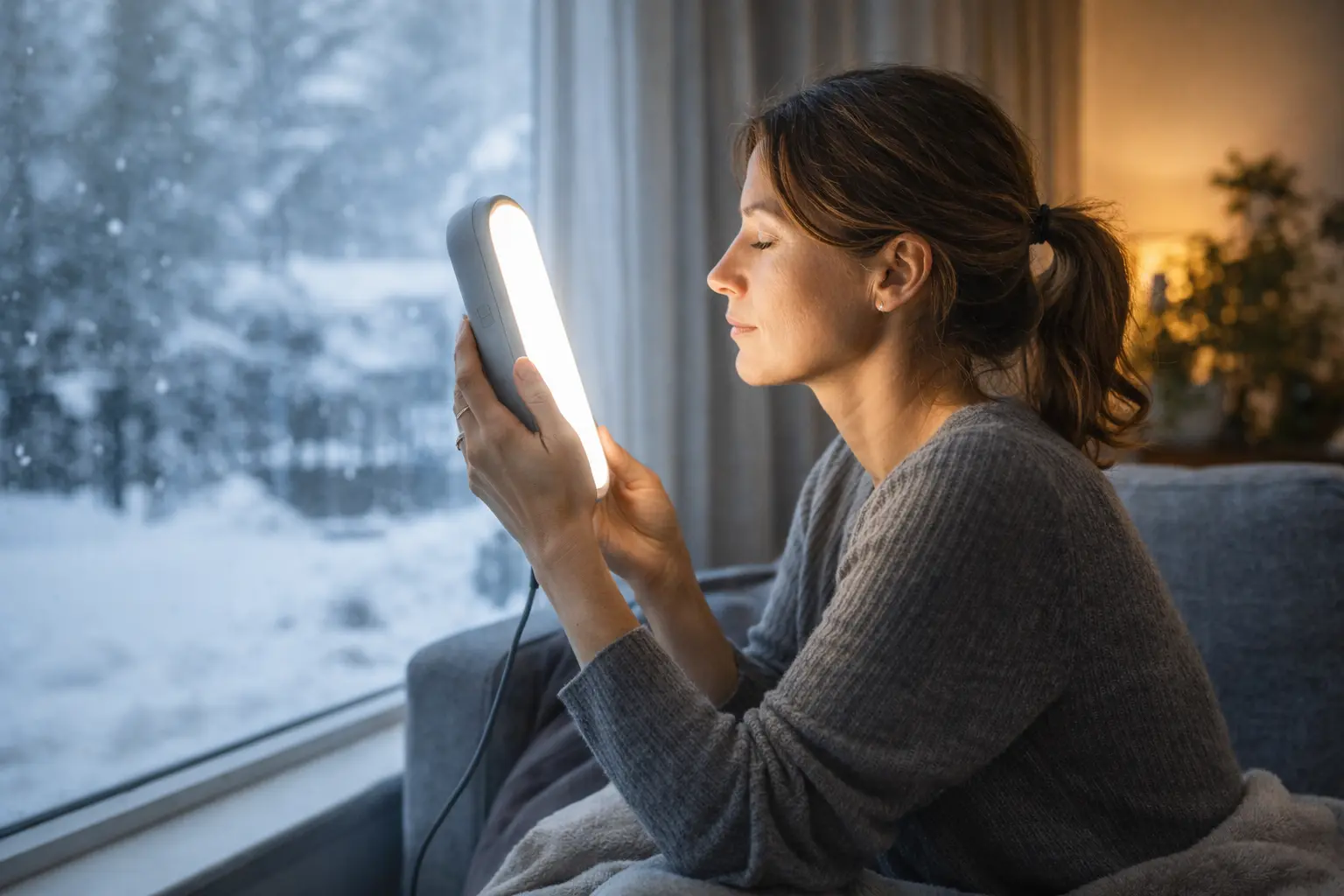
Combating winter depression requires a multi-pronged approach because no single strategy works for everyone. First, maximize your light exposure during daylight hours. This means stepping outside between 10 AM and 3 PM when sunlight is strongest, even on cloudy days. A 20-minute walk outdoors can meaningfully shift your circadian rhythm and boost serotonin. Second, light therapy using a 10,000 lux lightbox for 20-30 minutes each morning can mimic natural sunlight and reset your internal clock. Third, physical activity is non-negotiable – exercise increases serotonin production and improves sleep quality, creating a positive feedback loop. Fourth, nutrition matters significantly. Foods rich in omega-3 fatty acids, B vitamins, and complex carbohydrates support neurotransmitter production. Finally, if symptoms persist despite these efforts, professional support through therapy or counseling provides evidence-based interventions tailored to your situation. Many young adults find that combining two or three strategies yields better results than relying on a single approach.
- Increase sunlight exposure
- Consider light therapy
- Stay physically active
- Maintain a healthy diet
- Seek professional help if needed
🔬 Science-backed benefits in 2 minuteschoose where to begin:
Vitamin D deficiency and winter blues
Vitamin D is synthesized in your skin when exposed to UVB rays from sunlight, which is why winter creates a perfect storm for deficiency. Your body needs vitamin D for numerous functions, including neurotransmitter regulation and immune function. Research has consistently linked low vitamin D levels to increased depression risk and seasonal mood disorders. During winter, especially if you live in northern latitudes, your skin cannot produce adequate vitamin D from sunlight alone. A young adult spending winter indoors without supplementation can develop significant deficiency within weeks. This deficiency doesn’t just affect mood – it impacts energy levels, immune function, and bone health. Consider this: someone living in Boston experiences 70% less UVB radiation in December compared to June. Without intervention, their vitamin D levels plummet. Supplementation with 1,000-2,000 IU daily, or consuming vitamin D-rich foods like fatty fish, egg yolks, and fortified dairy, can help maintain adequate levels. Some individuals benefit from higher doses, which should be discussed with a healthcare provider.
Social connections and emotional support
Winter’s darkness often triggers isolation, which compounds depression symptoms. Your brain is wired for social connection, and loneliness amplifies negative mood states. Young adults are particularly vulnerable because winter can disrupt social routines – outdoor activities decrease, campus life changes, and weather discourages spontaneous gatherings. Maintaining intentional social connections becomes crucial. This might mean scheduling regular video calls with friends, joining indoor group activities like fitness classes or hobby clubs, or simply making plans to study with peers rather than alone. Therapy or counseling provides professional support for processing seasonal mood changes and developing personalized coping strategies. Many universities and workplaces offer mental health services specifically designed for seasonal concerns. Consider this scenario: a young adult notices their winter mood dip and proactively reaches out to friends, joins a winter sports league, and schedules monthly therapy sessions. By actively combating isolation, they interrupt the depression cycle before it deepens. Social support isn’t a luxury – it’s a biological necessity for mental health.
Conclusion on winter depression science
Winter depression isn’t a character flaw or personal weakness – it’s a predictable biological response to seasonal light changes that affects your circadian rhythm, neurotransmitter production, and hormone levels. Young adults armed with this understanding can move from feeling helpless to feeling empowered. You now know that reduced serotonin, elevated melatonin, vitamin D deficiency, and circadian disruption are all measurable, addressable factors. By implementing evidence-based strategies like light exposure, light therapy, physical activity, proper nutrition, and social connection, you’re not just managing symptoms – you’re actively supporting your brain’s neurochemistry. The key is starting early, before winter depression fully takes hold, and being willing to adjust your approach based on what works for your unique biology. This isn’t about willpower or positive thinking alone. It’s about working with your brain’s actual needs during a season of reduced light.
Winter darkness disrupts your circadian rhythm and reduces serotonin production while increasing melatonin, creating conditions for depression. Combat these biological changes through light exposure, light therapy, exercise, proper nutrition, vitamin D supplementation, and maintaining social connections.
What is the role of serotonin in winter depression?
Serotonin is a neurotransmitter that regulates mood, motivation, and emotional stability. Sunlight exposure stimulates serotonin production in your brain. During winter, reduced daylight leads to lower serotonin levels, contributing to feelings of depression, low motivation, and emotional flatness. This is why increasing light exposure can help restore serotonin balance.
How can light therapy help with winter depression?
Light therapy uses a specialized lightbox emitting 10,000 lux of light to mimic natural sunlight. Exposure for 20-30 minutes each morning helps reset your circadian rhythm, suppresses melatonin production, and stimulates serotonin synthesis. This neurochemical shift can significantly improve mood and energy levels in individuals experiencing winter depression.
Others also read:
Disclaimer: This article is for informational purposes only and is not a substitute for professional medical advice. Always consult a healthcare professional for personal guidance.
This article has been prepared and reviewed by the GlobalHealthBeacon editorial team and is based on current medical research and published scientific literature available in 2026. It provides structured, evidence-based information to support informed health decisions.
← Back to the Main page on: prevent winter depression symptoms
