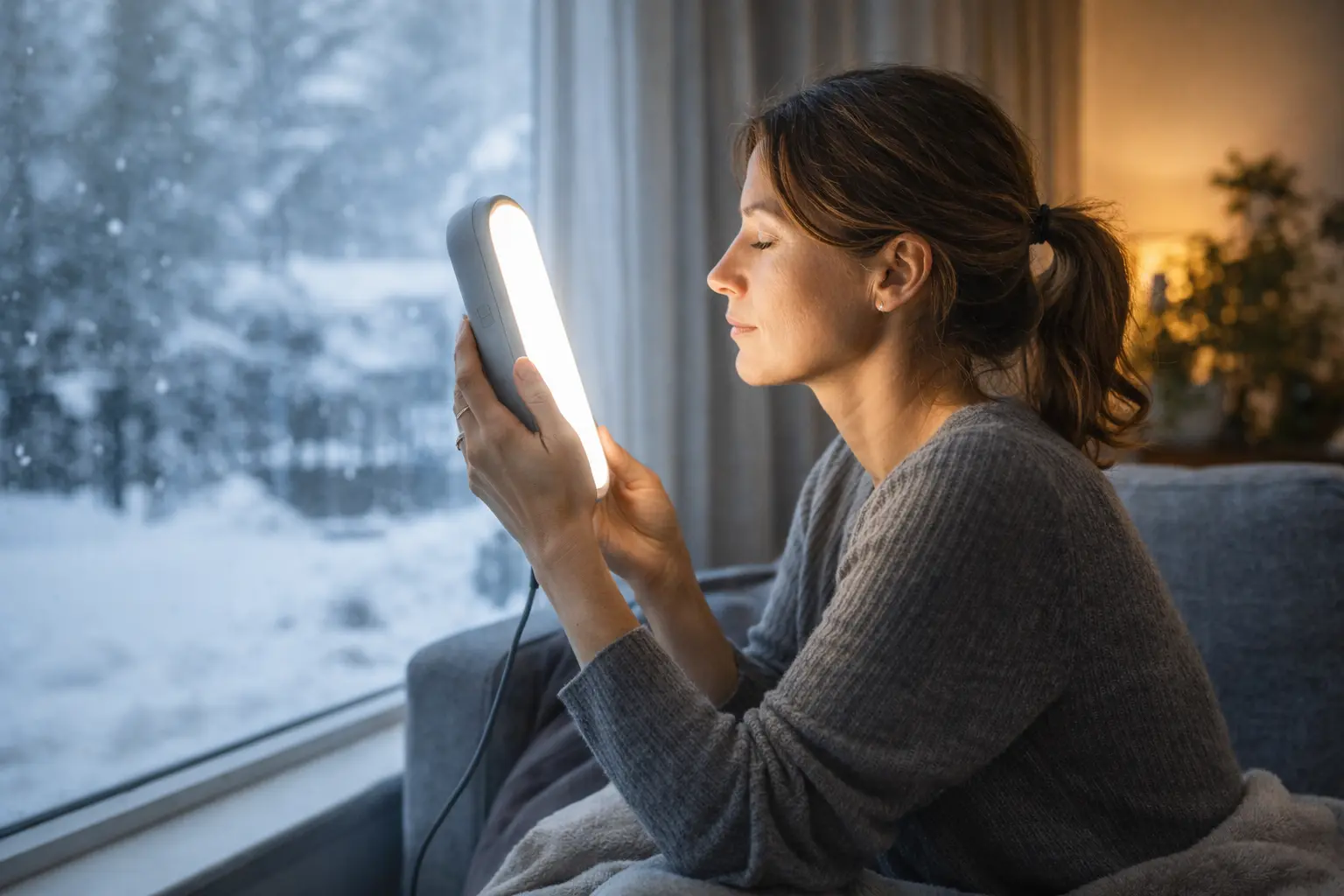
Your energy is tanking, the sun disappears by 4 PM, and you feel like you’re moving through fog every single day – that’s winter depression creeping in, and you’re not alone, but here’s how to prevent winter depression symptoms before they take over your entire season.
Establish a daily routine
Your body thrives on predictability, especially when darkness dominates winter months. Setting a consistent wake and sleep time acts like an anchor for your internal clock, signaling to your brain when to produce energy-boosting hormones and when to wind down. Imagine waking at 7 AM every day, even weekends, versus sleeping until noon on Saturday then 8 AM on Sunday. That inconsistency confuses your circadian rhythm and amplifies mood dips. Start by picking a realistic wake time you can maintain, then work backward to determine your ideal bedtime. Build your meals around this schedule too. Eating breakfast within an hour of waking jumpstarts your metabolism and stabilizes blood sugar, preventing the afternoon energy crash that often triggers depressive thoughts. Add movement into your mornings, even a 10-minute walk or stretching session, to activate endorphins before stress accumulates.
- Set aside time for regular meals to ensure you’re getting proper nutrition.
- Incorporate exercise into your daily routine to boost endorphins and combat seasonal blues.
- Practice relaxation techniques like deep breathing or meditation to reduce stress and anxiety.
Get plenty of natural light
Winter light deprivation is real and measurable. Your brain needs light exposure to regulate serotonin, the neurotransmitter directly tied to mood. When daylight shrinks, your serotonin production drops, which is why seasonal depression feels so heavy and inescapable. Start by opening all your curtains the moment you wake up, even on gray days. Cloudy light still carries the wavelengths your brain needs. Position your desk or study space near a window if you work from home. Spend your lunch break outside, even for 15 minutes. If you live in a region with minimal winter daylight, consider a light therapy lamp that mimics natural sunlight. Use it for 20 to 30 minutes in the early morning while eating breakfast or checking emails. This simple habit can shift your mood noticeably within days. The key is consistency and timing. Morning light exposure is far more effective than evening light because it aligns with your natural circadian rhythm.
📘 Fix your day in under 2 minuteschoose where to begin:
Stay active and social
Isolation amplifies winter depression. When it’s cold and dark, your instinct is to hibernate, but isolation deepens the blues. Social connection and physical activity are two of the most powerful mood regulators available to you. Join a gym class, a running group, or a recreational sports league. The combination of movement, shared purpose, and human connection creates a triple mood boost. If group fitness feels intimidating, start smaller. Schedule weekly coffee dates with friends, even virtual ones if weather is brutal. Volunteer at a local food bank, animal shelter, or community center. Volunteering gives you purpose, connects you with others, and shifts focus away from your own struggles. Plan indoor activities for winter months. Movie nights with friends, board game evenings, or cooking together all combat isolation. The act of showing up and engaging, even when you don’t feel like it, rewires your brain’s response to winter and prevents the downward spiral that feeds depression.
Eat a balanced diet
Winter cravings for carbs and sugar are not random. Your brain is literally seeking serotonin through food because daylight is scarce. But refined carbs and sugar create energy crashes that worsen mood. Instead, fuel your body strategically. Prioritize protein at every meal because amino acids are building blocks for neurotransmitters like dopamine and serotonin. Eat fatty fish like salmon twice weekly for omega-3s, which have strong evidence supporting mood regulation. Load your plate with colorful vegetables and whole grains. The fiber keeps your blood sugar stable, preventing the mood swings that come from energy crashes. Stay hydrated. Dehydration mimics and worsens depression symptoms, yet many people drink less water in winter because they don’t feel thirsty. Limit caffeine after 2 PM because it disrupts sleep quality, and poor sleep is a major depression trigger. Think of your diet as medicine during winter months. Every meal choice either supports your mood or undermines it.
Practice self-care
Self-care is not indulgence during winter. It’s maintenance. When your brain is fighting seasonal depression, intentional rest and joy become essential tools. Identify activities that genuinely recharge you, not ones you think you should enjoy. For some, that’s a warm bath with candles and music. For others, it’s hiking in nature, creating art, reading fiction, or gaming. The point is choosing something that pulls your attention fully into the present moment and away from depressive thoughts. Schedule self-care like an appointment, not as an afterthought. Block 30 minutes on your calendar twice weekly. Protect that time fiercely. Winter is when you need this most, yet it’s easiest to skip. Notice what happens to your mood when you consistently prioritize joy and rest. Most people find that regular self-care acts as a buffer against depression. It reminds your brain that life still contains pleasure and rest, not just survival.
Establishing a daily routine, getting natural light, staying active and social, eating a balanced diet, and practicing self-care are key strategies to prevent winter depression symptoms in young adults.
How can I beat winter blues naturally?
To beat winter blues naturally, focus on maintaining a daily routine, getting exposure to natural light, staying active and social, eating a balanced diet, and practicing self-care.
What are some effective self-care activities for winter depression?
Effective self-care activities for winter depression include hobbies, relaxation techniques, spending time with loved ones, engaging in outdoor activities, and prioritizing your mental well-being.
Others also read:
Disclaimer: This article is for informational purposes only and is not a substitute for professional medical advice. Always consult a healthcare professional for personal guidance.
This guide has been prepared and reviewed by the GlobalHealthBeacon editorial team and reflects current medical research as of 2026. It provides structured, evidence-based information to support informed health decisions.
