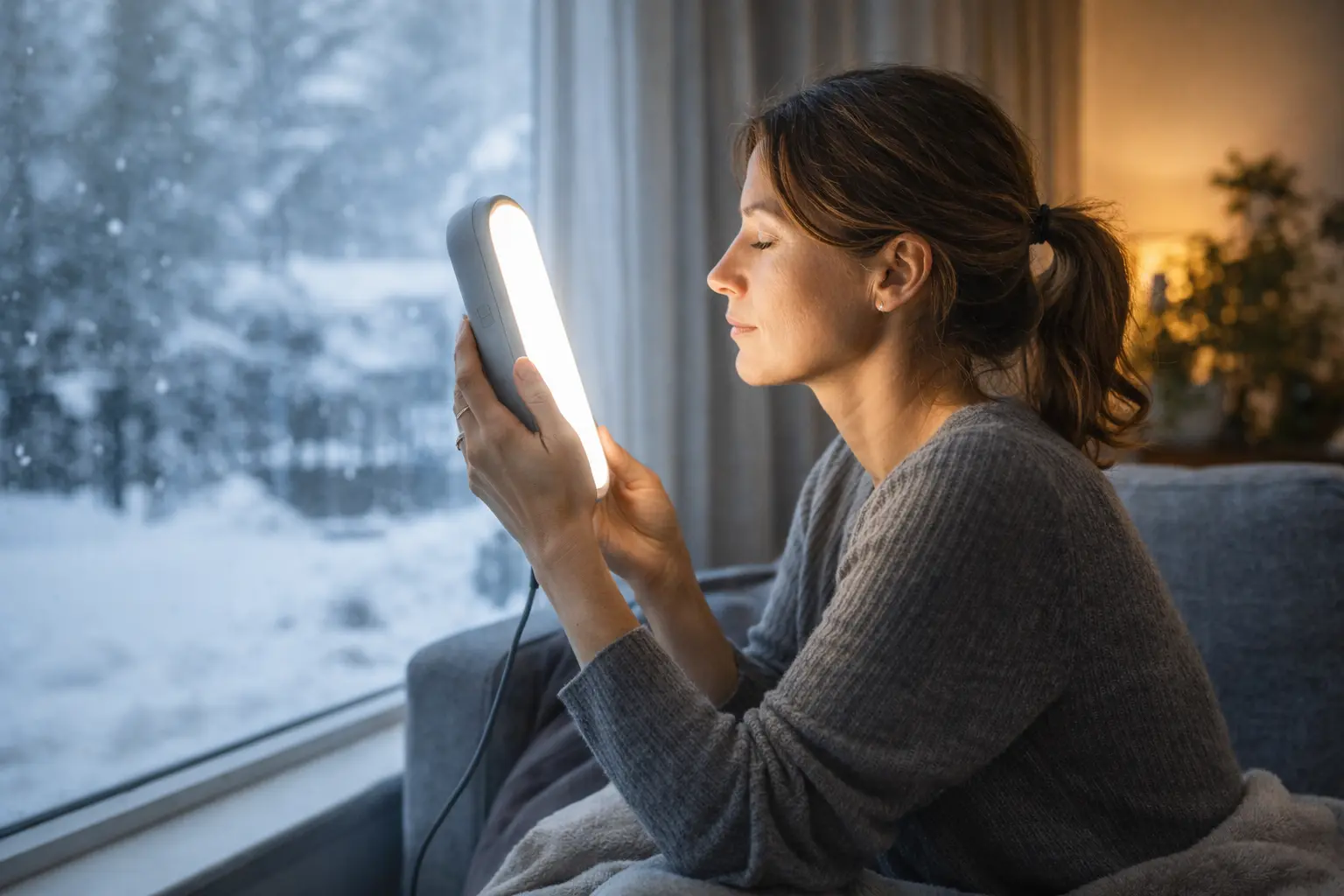
That heavy, stuck feeling when the sun disappears and your mood tanks with it isn’t just in your head, and you’re definitely not alone in this fight to prevent winter depression symptoms that creep in every single year.
Sunlight exposure and mood regulation
Your body operates on an internal 24-hour clock called the circadian rhythm, and sunlight is essentially the master switch that keeps everything running smoothly. When winter arrives and daylight hours shrink dramatically, your brain struggles to maintain its normal rhythm. Think of it like this: imagine trying to follow a schedule when someone keeps changing the clock. That’s what happens to your body when sunlight exposure drops. Research shows that reduced light exposure disrupts the production of serotonin, a neurotransmitter directly linked to mood regulation. A woman working indoors during winter might spend only 30 minutes in natural light daily, compared to several hours during summer months. This shift can trigger noticeable mood changes within weeks. The solution isn’t complicated but requires intentionality. Even 20 to 30 minutes of outdoor time during midday, when sunlight is strongest, can help reset your circadian rhythm and stabilize your mood. Some women find that taking their morning coffee outside or scheduling a midday walk makes a tangible difference in how they feel by afternoon.
Impact of vitamin D levels on mental health
Vitamin D earned its nickname the sunshine vitamin because your skin produces it when exposed to ultraviolet B rays from sunlight. But here’s what many women don’t realize: vitamin D isn’t just about bone health. It plays a critical role in brain function and emotional regulation. Low vitamin D levels have been consistently linked to increased depression risk, and winter is when most people’s levels drop significantly. Imagine a woman living in northern climates who gets minimal sun exposure from November through February. Her vitamin D levels can plummet by 30 to 50 percent during these months. Studies show that women with vitamin D deficiency are nearly twice as likely to experience depressive symptoms compared to those with adequate levels. The connection works through multiple pathways: vitamin D receptors exist throughout the brain, particularly in areas controlling mood and emotion. Without sufficient vitamin D, these receptors can’t function optimally. Beyond sunlight, dietary sources matter too. Fatty fish like salmon and mackerel, egg yolks, and fortified dairy products contain natural vitamin D. However, during winter months, many healthcare providers recommend supplementation to maintain optimal levels, especially for women in regions with limited winter sunlight.
Healthy lifestyle choices for winter wellness
Winter often triggers a natural desire to hibernate, but staying sedentary actually worsens mood and energy levels. Physical activity works like a natural antidepressant by boosting endorphins, the brain’s feel-good chemicals. A woman who commits to just 30 minutes of moderate exercise, whether that’s brisk walking, yoga, or dancing to her favorite playlist, can experience noticeable mood improvement within days. The key is consistency rather than intensity. Nutrition also plays an underrated role. Winter cravings often push us toward comfort foods high in refined carbohydrates and sugar, which create energy crashes and mood dips. Instead, focusing on nutrient-dense foods like leafy greens, nuts, seeds, and lean proteins stabilizes blood sugar and supports brain health. Sleep becomes even more critical during winter. The longer nights can actually disrupt sleep quality if you’re not careful about light exposure and routine. Maintaining a consistent sleep schedule, even on weekends, helps regulate your circadian rhythm and improves emotional resilience. A woman who prioritizes these three elements, exercise, nutrition, and sleep, typically reports feeling significantly more equipped to handle seasonal mood changes.
- Engage in regular physical activity for at least 30 minutes daily
- Eat a balanced diet rich in nutrients and whole foods
- Ensure sufficient sleep with consistent bedtime routines
🔬 Science-backed benefits in 2 minuteschoose where to begin:
The role of social connections in mental health
Winter’s darkness and cold weather naturally encourage isolation, but this is precisely when social connection matters most. The human brain is wired for connection, and loneliness amplifies depressive symptoms significantly. Consider a woman who works from home during winter. Without intentional effort, she might spend entire days with minimal human interaction, which compounds seasonal mood challenges. Research consistently shows that women with strong social networks experience fewer and less severe depressive symptoms during winter months. Social interaction triggers the release of oxytocin, sometimes called the bonding hormone, which counteracts stress and improves mood. The beauty is that connection doesn’t require elaborate plans. A 15-minute phone call with a friend, a video chat with family, or even a coffee date indoors can provide meaningful support. Some women find that joining winter-specific activities like indoor fitness classes, book clubs, or hobby groups creates both social connection and structure during darker months. The key is recognizing that reaching out isn’t weakness, it’s a scientifically proven strategy for protecting your mental health when seasonal challenges hit hardest.
Mindfulness and stress management techniques
Mindfulness meditation and relaxation techniques work by calming your nervous system and reducing the stress hormone cortisol. During winter, when anxiety and low mood are already elevated, these practices become even more valuable. A woman practicing just 10 minutes of daily meditation can experience measurable improvements in emotional resilience and stress response. The practice doesn’t require special equipment or a quiet retreat. Simple techniques like focused breathing, body scans, or guided meditation apps fit into any schedule. Progressive muscle relaxation, where you systematically tense and release muscle groups, helps release physical tension that accumulates during stressful seasons. Journaling offers another powerful tool. Writing about your feelings, concerns, or even gratitude helps process emotions and gain perspective. Some women find that combining mindfulness with gentle movement like yoga or tai chi amplifies the benefits. The science is clear: regular stress management practices don’t just feel good in the moment, they build long-term emotional resilience that helps you navigate seasonal changes with greater ease and stability.
Professional support and treatment options
If you’ve tried lifestyle strategies and still struggle with persistent winter depression symptoms, professional support is a logical and important next step. Mental health providers can assess whether you’re experiencing seasonal affective disorder, a recognized condition with specific treatment protocols. Light therapy, also called phototherapy, uses specialized lamps that mimic natural sunlight and has strong scientific evidence supporting its effectiveness for seasonal depression. A woman using a 10,000 lux light therapy lamp for 20 to 30 minutes each morning often sees mood improvement within days to weeks. Therapy approaches like cognitive behavioral therapy adapted for seasonal patterns help identify thought patterns and behaviors that worsen mood, then build practical strategies to counter them. Medication may also be recommended if other approaches aren’t sufficient. The important thing to understand is that seeking professional help isn’t a sign of failure, it’s a sign of self-awareness and commitment to your wellbeing. Many women find that combining multiple approaches, light therapy plus therapy plus lifestyle changes, creates the most robust protection against winter depression symptoms.
Understanding the science behind winter depression symptoms empowers you to take meaningful action. Your body’s circadian rhythm, vitamin D levels, physical activity, nutrition, sleep quality, social connections, stress management practices, and access to professional support all work together as an interconnected system. Winter doesn’t have to mean surrendering to low mood and fatigue. By intentionally addressing sunlight exposure, maintaining healthy lifestyle habits, nurturing relationships, practicing mindfulness, and seeking professional guidance when needed, you can effectively prevent winter depression symptoms and maintain emotional wellbeing throughout the darker months.
How does sunlight exposure affect mood?
Sunlight regulates your circadian rhythm and triggers serotonin production, both essential for stable mood. Winter’s reduced daylight disrupts these processes, often leading to mood changes. Even 20 to 30 minutes of midday outdoor exposure can help reset your internal clock and improve emotional stability.
What are some natural ways to prevent winter depression symptoms?
Combining multiple strategies works best: spend time outdoors during daylight, maintain regular physical activity, eat nutrient-dense foods, prioritize consistent sleep, stay socially connected, practice mindfulness or meditation, and consider vitamin D supplementation. If symptoms persist despite these efforts, professional support from a mental health provider offers additional options like light therapy or counseling.
Others also read:
Disclaimer: This article is for informational purposes only and is not a substitute for professional medical advice. Always consult a healthcare professional for personal guidance.
This article has been prepared and reviewed by the GlobalHealthBeacon editorial team and is based on current medical research and published scientific literature available in 2026. It provides structured, evidence-based information to support informed health decisions.
← Back to the Main page on: prevent winter depression symptoms
