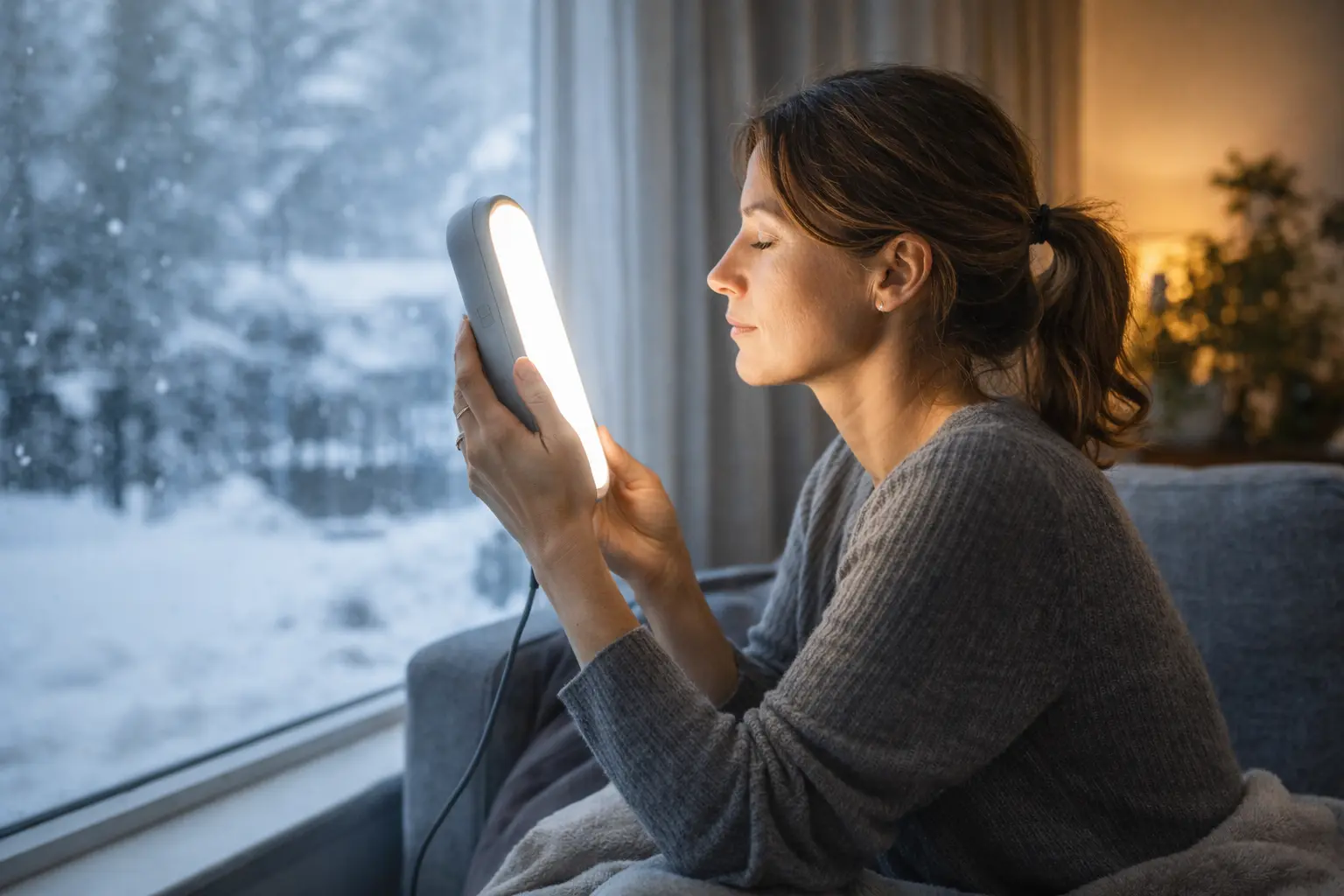
When November hits and the sun disappears by 4 PM, that heavy fog creeping into your mind feels almost physical, and suddenly everything takes twice the energy it used to because you’re stuck fighting to prevent winter depression symptoms that nobody seems to understand.
Tips to boost your mood during winter
Winter darkness hits differently when you’re older. I remember talking to Margaret, a 72-year-old who spent three winters feeling like she was moving through water. She started with something simple: opening her bedroom curtains the moment she woke up, letting whatever pale morning light existed flood in. Then she added weekly coffee dates with her daughter instead of canceling plans. She joined a gentle yoga class at the community center on Tuesdays and Thursdays. Within weeks, she noticed her afternoons felt less heavy. The key wasn’t one magic trick but layering small habits. Opening curtains takes 30 seconds but signals your body that the day has begun. Staying connected through regular calls or visits reminds you that you matter to people. Moving your body, even slowly, releases chemicals that naturally lift your mood. These aren’t cure-alls, but they’re the foundation that makes everything else work better.
- Practice mindfulness to stay present and calm.
- Engage in hobbies and activities that bring you joy.
- Consult with your healthcare provider about light therapy options.
Understanding seasonal affective disorder (SAD)
SAD isn’t just feeling a bit blue when the weather turns gray. It’s a real pattern where your brain chemistry shifts with the seasons, and for many seniors, it can feel like depression with a timer attached. When days shorten, your body produces less serotonin and more melatonin, which explains why you feel exhausted at 6 PM or why you suddenly crave carbs and sleep 11 hours. Symptoms creep in quietly: you notice you’re canceling plans, your appetite changes, you feel hopeless about things that usually interest you, or you’re moving slower than normal. Some seniors mistake it for aging or think they’re just getting lazier. The truth is your brain is responding to reduced light exposure. Treatment varies because everyone’s different. Light therapy works for some. Others need counseling to process the seasonal pattern and develop coping strategies. Some benefit from lifestyle adjustments like exercise or vitamin D. Many people need a combination approach tailored to their specific situation and medical history.
💬 Ready to feel better in 2 minutes?choose where to begin:
The benefits of light therapy for SAD
Light therapy sounds simple because it is, but the results can be remarkable. The idea is that a light box that mimics natural sunlight helps reset your circadian rhythm, the internal clock that tells your body when to wake, sleep, and produce mood-regulating chemicals. Robert, 68, started using a 10,000 lux light box for 30 minutes each morning at breakfast. Within two weeks, he noticed he wasn’t dragging himself out of bed. Within a month, he had energy to garden again. The science backs this up: studies show many seniors experience significant mood improvement with consistent light therapy. The catch is consistency matters more than intensity. Using it sporadically won’t work. You need to commit to daily sessions, ideally in the morning, for at least 20 to 30 minutes. It’s not a one-time fix but a seasonal practice that works best when you start it before depression fully sets in.
Incorporating self-care practices into your routine
Self-care during dark months isn’t luxury; it’s maintenance. When winter depression creeps in, your instinct is often to withdraw, skip meals, stay in bed, and isolate. That’s exactly when your body needs the opposite. Getting enough rest means quality sleep, not excessive sleeping. Eating nutritious foods means your brain has the building blocks for serotonin production. Engaging in activities that bring joy, whether that’s reading, painting, calling grandchildren, or sitting with a warm drink, reminds you why life matters. Helen, 75, created a winter routine: she walks 20 minutes every morning regardless of weather, eats salmon twice weekly for omega-3s, and joins a book club that meets virtually so she stays socially connected. She also gave herself permission to rest without guilt. The combination of movement, nutrition, connection, and rest became her shield against the season. If you find yourself struggling despite these efforts, reaching out to a counselor or doctor isn’t failure; it’s wisdom.
Discover the power of light therapy and self-care practices in alleviating prevent winter depression symptoms like fatigue and low mood. By incorporating these strategies into your daily routine, you can proactively manage your mental health during the darker months.
Can light therapy be effective for seniors with SAD?
Yes, many seniors have reported positive outcomes from light therapy in managing their SAD symptoms. It’s essential to follow a consistent schedule and consult with a healthcare provider for personalized recommendations.
What lifestyle changes can help alleviate SAD symptoms?
Staying active, maintaining social connections, and practicing self-care are key lifestyle changes that can support your mental well-being during the winter months. Engage in activities that boost your mood and seek support when needed.
Others also read:
Disclaimer: This article is for informational purposes only and is not a substitute for professional medical advice. Always consult a healthcare professional for personal guidance.
This article presents an experience-based perspective and has been reviewed by the GlobalHealthBeacon editorial team in 2026. It provides structured, evidence-based information to support informed health decisions.
