When the days get shorter and darker, that heavy fog settles in your chest, stealing your energy and your will to get out of bed – you’re not alone, and you can absolutely prevent winter depression symptoms with the right approach.
Light therapy: shedding light on SAD relief
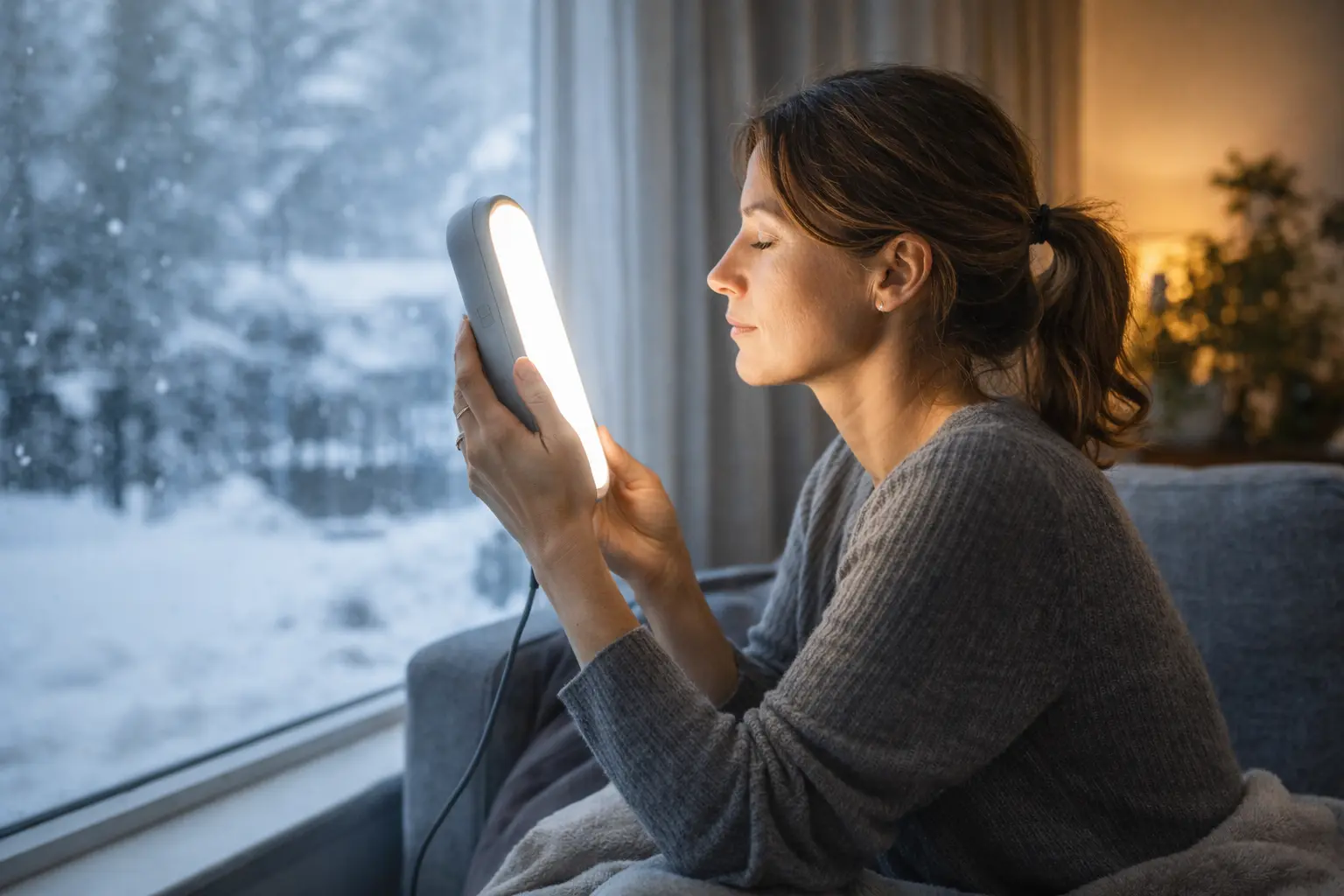
Light therapy stands out as one of the most researched and effective treatments for seasonal affective disorder, especially for seniors who spend more time indoors during winter months. The science is straightforward: a light therapy box emits bright light that mimics natural sunlight, signaling your brain to regulate serotonin and melatonin production, which directly impacts mood and sleep quality. Picture this scenario: Margaret, a 68-year-old retiree, started using a 10,000 lux light box for 30 minutes each morning while reading the newspaper. Within two weeks, she noticed she was waking earlier without feeling groggy, and by week three, the afternoon slump that had plagued her for years simply vanished. The key is consistency and timing. Using the light box in the morning, ideally between 6 and 9 AM, works best because it aligns with your body’s natural circadian rhythm. Many seniors make the mistake of using light therapy sporadically or too late in the day, which can actually disrupt sleep. Start with 20 minutes daily and gradually increase to 30 minutes as your body adjusts. Position the box about 16 to 24 inches from your face at a slight downward angle, and while you don’t stare directly into it, let the light enter your field of vision naturally.
- Choose a light therapy box with at least 10,000 lux brightness for optimal results.
- Use light therapy in the morning for about 20-30 minutes daily for maximum effectiveness.
- Consistency is key – make it a daily routine to reap the benefits of light therapy.
Dietary supplements: supporting mental health naturally
Vitamin D deficiency is nearly universal among seniors during winter months, and research consistently links low D levels to depression and seasonal mood changes. When sunlight exposure drops, your body produces less vitamin D, which plays a crucial role in regulating neurotransmitters that affect mood. Consider the case of Robert, a 72-year-old who felt increasingly withdrawn each November. His doctor discovered his vitamin D level was critically low at 18 ng/mL. After starting a daily 2,000 IU supplement, combined with omega-3 fatty acids from fish oil, Robert’s mood lifted noticeably within four weeks. Omega-3s support brain health by reducing inflammation and supporting dopamine production. St. John’s Wort has shown promise for mild to moderate depression, though it requires caution because it interacts with many medications seniors commonly take, including blood thinners and heart medications. Before adding any supplement, have a conversation with your doctor or pharmacist about your current medications. The timing matters too: take vitamin D with a meal containing fat for better absorption, and space supplements throughout the day rather than taking them all at once. Some seniors benefit from a simple routine: vitamin D and omega-3 with breakfast, and any additional supplements with lunch.
📘 Fix your day in under 2 minuteschoose where to begin:
Regular exercise: boosting mood and energy levels
Exercise functions as a natural antidepressant, triggering the release of endorphins and increasing blood flow to the brain. For seniors, the challenge isn’t finding an exercise that works but rather finding one that feels sustainable and enjoyable enough to maintain through the dark months. Helen, a 70-year-old widow, dreaded winter until she joined a community pool for water aerobics three times weekly. The warm water soothed her arthritic joints, the social aspect lifted her spirits, and within three weeks of consistent movement, her energy returned and her sleep improved dramatically. Walking outdoors on sunny days, even for just 15 minutes, combines light exposure with physical activity for a double benefit. Gentle yoga or tai chi, which many seniors find less intimidating than gym workouts, improves balance while calming the nervous system. The common mistake is waiting until you feel motivated to exercise. Instead, schedule it like a doctor’s appointment and commit to showing up regardless of mood. Start with whatever feels manageable: a 10-minute walk, a gentle stretching routine, or dancing to music in your living room. The goal is consistent movement, not intensity. Most seniors notice mood improvements within two to three weeks of regular activity, which then becomes its own motivator.
Therapeutic activities: cultivating emotional resilience
Therapeutic activities offer seniors a structured way to process emotions and maintain mental engagement during winter’s isolating months. Art therapy doesn’t require artistic talent; it’s about expression and mindfulness. James, a 75-year-old former accountant, had never painted before, but when his therapist suggested art as a coping tool, he discovered that spending an hour with watercolors each afternoon gave him purpose and a creative outlet for feelings he couldn’t easily express in words. Journaling works similarly: writing three sentences each morning about what you’re grateful for, even small things like a warm cup of coffee, rewires your brain toward noticing positive moments. Mindfulness meditation, even just five minutes daily, calms the anxious thoughts that often accompany SAD. Many seniors use guided meditations designed specifically for older adults, available free on apps or YouTube. The practice of sitting quietly, focusing on your breath, and observing thoughts without judgment reduces stress hormones and improves emotional regulation. These activities work best when integrated into a daily routine rather than attempted sporadically. Set a specific time, gather your materials, and treat it as a non-negotiable part of your day, just like taking medication.
Social support: connecting and sharing experiences
Isolation amplifies SAD symptoms, while connection acts as a powerful buffer against winter depression. For seniors, maintaining social ties requires intentional effort, especially when mobility or transportation challenges arise. Dorothy, an 80-year-old living alone, started a weekly phone call with her daughter and joined an online book club where she met three other seniors with similar interests. These two commitments transformed her winter from lonely to purposeful. Support groups specifically for SAD or depression connect you with people who genuinely understand what you’re experiencing, removing shame and normalizing your struggle. Many communities offer in-person groups at senior centers or libraries, and virtual options exist for those with mobility limitations. Family involvement matters tremendously: when adult children understand that SAD is real and serious, not just seasonal blues, they can offer practical support like scheduling regular visits, coordinating meal delivery, or simply checking in via video call. Volunteering, even a few hours weekly, provides both social connection and a sense of contribution. Many seniors find that helping others lifts their own mood while building meaningful relationships. The key is consistency: weekly contact, whether in-person or virtual, creates a reliable support structure that sustains you through the darkest months.
Managing seasonal affective disorder requires a multi-layered approach tailored to your lifestyle and preferences. Light therapy offers immediate physiological support, while dietary supplements address nutritional gaps that worsen mood. Regular movement, whether walking, swimming, or gentle yoga, combats lethargy and improves sleep. Therapeutic activities like journaling or art provide emotional outlets and daily structure. Social connection, whether through family, support groups, or volunteering, reminds you that you’re not alone in this struggle. The most effective strategy combines two or three of these approaches rather than relying on a single solution. Start with whichever feels most accessible, build consistency over two to three weeks, then add another layer. By spring, you’ll have created habits that not only carried you through winter but also strengthened your overall resilience.
How long does it take to see results from light therapy for SAD?
Many individuals experience improvements in their SAD symptoms within the first week of starting light therapy, though the most noticeable changes typically appear between weeks two and four. It is recommended to use light therapy consistently for a few weeks to notice significant relief. Some seniors report that energy and mood lift gradually rather than dramatically, so track subtle changes like waking earlier without effort or noticing you’ve smiled more throughout the day.
Are there any side effects of using dietary supplements for SAD?
While dietary supplements are generally safe, it’s essential to consult with a healthcare provider before starting any new supplement regimen, especially if you have existing health conditions or take medications that may interact with the supplements. St. John’s Wort, for example, can interfere with blood thinners, heart medications, and certain antidepressants. Your pharmacist can review your current medications and flag any potential interactions before you begin.
Others also read:
Disclaimer: This article is for informational purposes only and is not a substitute for professional medical advice. Always consult a healthcare professional for personal guidance.
This guide has been prepared and reviewed by the GlobalHealthBeacon editorial team and reflects current medical research as of 2026. It provides structured, evidence-based information to support informed health decisions.
