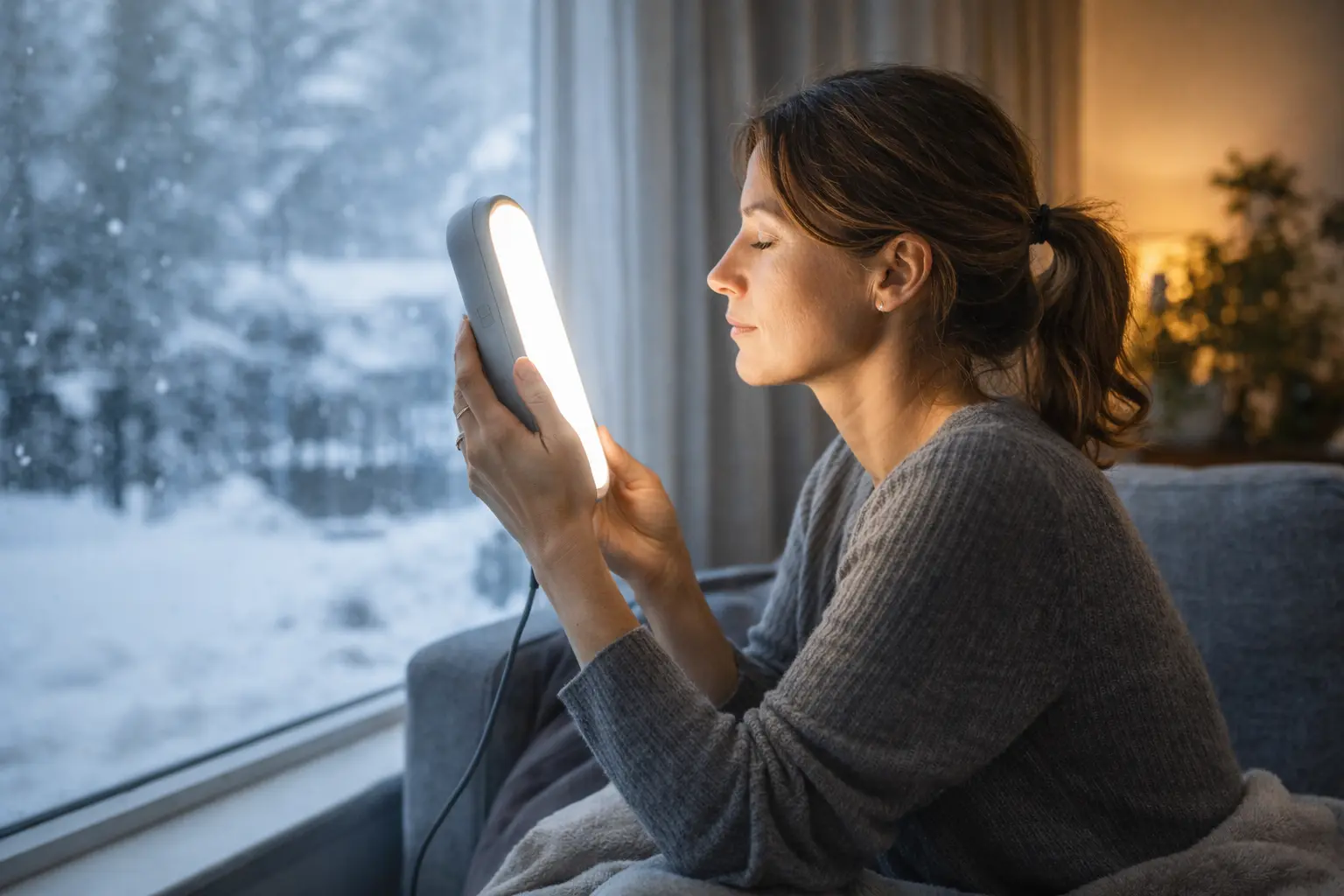
When November hits and the sun disappears by 4 PM, your mood tanks and you can’t figure out why, that’s when you need to prevent winter depression symptoms before it spirals into something harder to manage.
Maintain a healthy routine
Your daily rhythm is your anchor when everything outside feels gray and unpredictable. Start by locking in a consistent sleep schedule, even on weekends, because your body’s internal clock gets thrown off when daylight vanishes. Imagine waking at the same time every morning for two weeks straight and noticing your energy stabilizes by day ten. That’s not coincidence, that’s your circadian rhythm recalibrating. Layer in movement that actually feels good, not punishing, whether that’s a 20-minute walk before work or an evening yoga session. Then look at what you’re eating. Real food matters here. When you swap processed snacks for meals with actual vegetables, lean protein, and whole grains, your brain gets the nutrients it needs to produce mood-regulating chemicals. A young adult working a desk job might notice that adding a morning walk plus eating a proper breakfast shifts their entire afternoon energy within days.
- Aim for 7-9 hours of quality sleep each night
- Incorporate physical activity into your routine, such as yoga or brisk walks
- Include fruits, vegetables, whole grains, and lean proteins in your meals
Get sufficient sunlight exposure
Sunlight is not optional for your mental health during winter, it’s essential. Your brain uses light to regulate serotonin, the chemical that keeps your mood stable. Even 15 to 30 minutes of outdoor time during daylight hours can shift how you feel for the rest of the day. Picture stepping outside at lunch, even on a cloudy day, and feeling slightly more alert by the time you return to your desk. That’s your brain responding to natural light. If you live somewhere with limited winter daylight or work indoors all day, a light therapy box becomes your backup plan. These devices mimic natural sunlight and can be used while you eat breakfast or check emails. Some young adults place one on their desk during morning hours and report noticing a real difference in their afternoon mood and focus within a week of consistent use.
📘 Fix your day in under 2 minuteschoose where to begin:
Stay connected and engaged
Isolation amplifies winter depression, but connection fights it. Reach out to friends and family regularly, even when you feel like staying in. A quick text, a coffee date, or a video call with someone you care about provides emotional ballast during darker months. Beyond socializing, find activities that genuinely interest you. Maybe that’s joining a winter sports league, volunteering at a local organization, or diving into a creative hobby you have been putting off. A young adult might join a climbing gym in January, initially just to stay active, then realize the community aspect and the focus required during climbing actually lifts their mood more than the exercise itself. These activities remind you that you are part of something larger than your own struggling mood, and that matters more than you might think.
Practice mindfulness and stress management
Winter stress compounds seasonal mood changes, so managing it actively prevents depression from taking root. Mindfulness practices like meditation, even just five minutes daily, help you observe anxious thoughts without getting trapped in them. Deep breathing exercises work fast when anxiety spikes, pulling your nervous system out of fight-or-flight mode within minutes. Journaling gives you a place to dump worries and process feelings without judgment. Start by identifying what actually triggers your stress during winter. Is it the isolation? Work pressure? Financial concerns? Once you know your triggers, you can build specific coping strategies. A young adult might notice that skipping the gym makes them feel worse, so they schedule it like an appointment. Another might realize that scrolling social media at night tanks their mood, so they set a phone boundary instead. Small, targeted changes compound into real protection against depression.
Seek professional support if needed
If you have tried these strategies and still feel persistent sadness, hopelessness, or anxiety that interferes with daily life, professional help is not a last resort, it is a smart next step. A therapist or counselor can diagnose seasonal affective disorder specifically and rule out other conditions. They might recommend cognitive behavioral therapy, which is proven effective for seasonal depression, or other approaches tailored to your situation. Some people benefit from medication during winter months, and that is a valid option to discuss with a doctor. There is no shame in this path. A young adult might start with their primary care doctor, who can refer them to a mental health professional or discuss medication options. Others find online therapy platforms more accessible. The point is recognizing when self-help strategies alone are not enough and taking action before winter depression deepens.
Establish a healthy routine, prioritize sunlight exposure, stay connected, practice mindfulness, and seek professional help if necessary to prevent and manage winter depression symptoms effectively.
How can I differentiate between feeling down and winter depression?
Winter depression, also known as seasonal affective disorder (SAD), typically occurs during the fall and winter months and is characterized by persistent feelings of sadness, fatigue, and changes in sleep and appetite patterns. If you notice a significant decline in your mood and energy levels during the winter season, it’s important to seek professional guidance.
Are there any supplements that can help prevent winter depression symptoms?
Certain supplements like vitamin D, omega-3 fatty acids, and melatonin may offer support for managing winter depression symptoms, but it’s essential to consult with a healthcare provider before initiating any new supplements. A balanced diet and lifestyle interventions remain key components in preventing and managing winter depression.
Others also read:
Disclaimer: This article is for informational purposes only and is not a substitute for professional medical advice. Always consult a healthcare professional for personal guidance.
This guide has been prepared and reviewed by the GlobalHealthBeacon editorial team and reflects current medical research as of 2026. It provides structured, evidence-based information to support informed health decisions.
