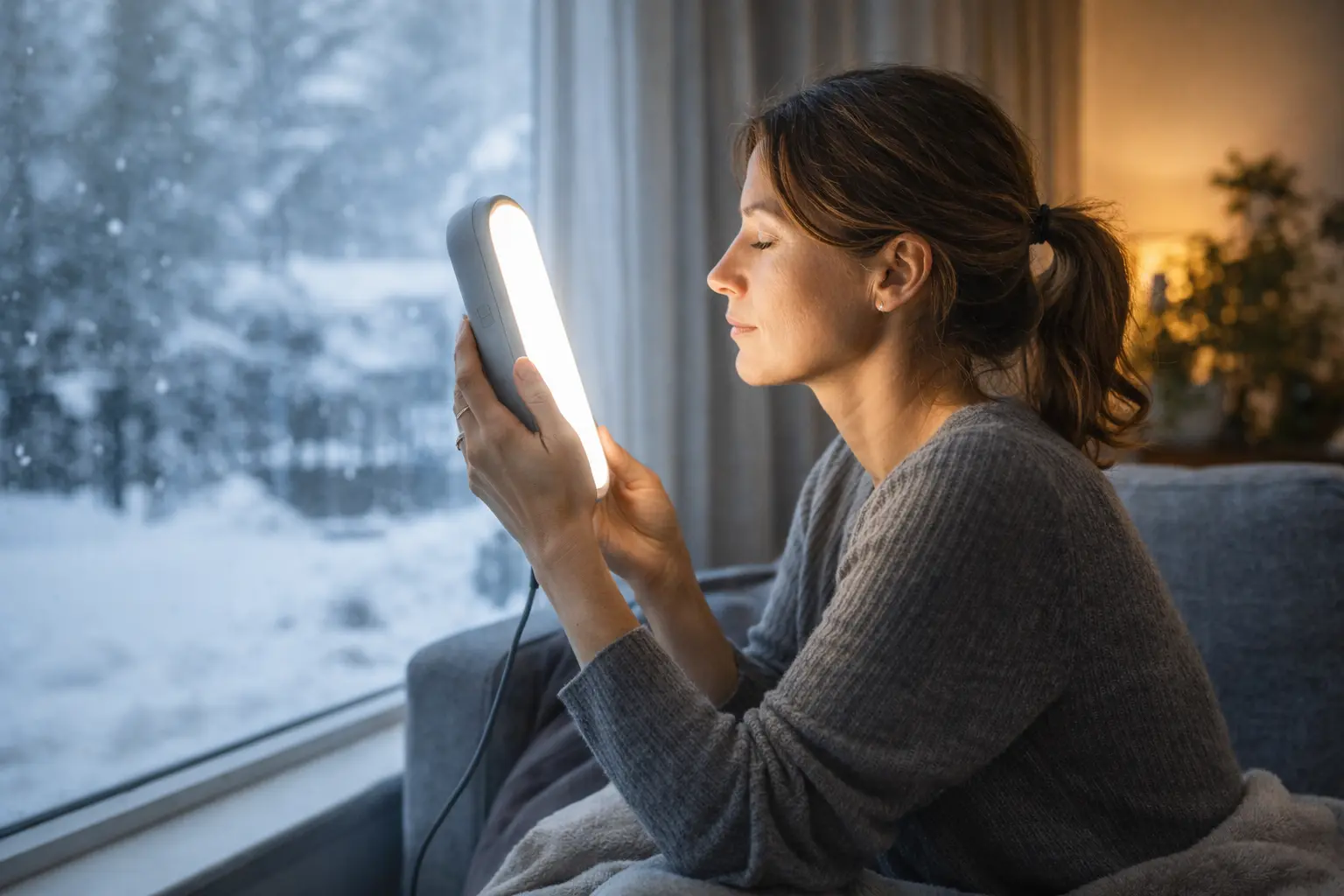
When November hits and the days get shorter, that heavy fog settles in and suddenly everything feels harder, slower, darker – you’re not imagining it, and you’re definitely not alone in feeling this way, so let’s talk about how to prevent winter depression symptoms before they take over your whole season.
Understanding seasonal affective disorder
Seasonal Affective Disorder, commonly called SAD, is a form of depression that emerges when daylight hours shrink during fall and winter months. Think of it this way: your body operates on a 24-hour internal clock that relies heavily on light exposure to regulate mood, sleep, and energy. When seniors experience reduced sunlight, this biological rhythm gets disrupted. The retinas send fewer light signals to the brain, which affects serotonin production and melatonin regulation. Older adults face particular vulnerability because aging naturally reduces the amount of light reaching the retina, and many seniors spend more time indoors due to mobility concerns or health conditions. A 70-year-old spending winter months indoors receives a fraction of the light exposure a younger person might get. This isn’t weakness or laziness; it’s a documented physiological response to environmental change that deserves recognition and practical management.
Symptoms of seasonal affective disorder in seniors
SAD manifests differently in seniors than in younger populations, which makes early recognition crucial. You might notice persistent low energy that makes even simple tasks like getting dressed feel exhausting. Appetite changes often occur, with some seniors losing interest in food while others crave carbohydrates. Concentration becomes difficult, making reading or following conversations more challenging. Sleep patterns shift, with either excessive daytime sleepiness or insomnia disrupting rest. Feelings of hopelessness, social withdrawal, and loss of interest in hobbies are common warning signs. Consider Margaret, a 68-year-old who loved gardening but found herself unable to motivate herself to even water indoor plants by December. Her family noticed she stopped calling friends and seemed irritable. These behavioral changes, combined with physical symptoms like joint stiffness or headaches, paint a fuller picture of SAD in aging bodies. Recognizing these patterns early prevents the condition from deepening into more serious depression.
Strategies to combat seasonal affective disorder naturally
Managing SAD involves addressing the root cause: insufficient light exposure and reduced activity. Increasing natural light exposure remains the most evidence-based approach. Even on cloudy winter days, outdoor light is significantly brighter than indoor lighting. Spending 20 to 30 minutes outside during midday hours, when light intensity peaks, helps reset your internal clock. Physical activity amplifies these benefits by boosting serotonin and improving sleep quality. Walking outdoors combines both benefits simultaneously. Nutrition plays a supporting role; while no food cures SAD, nutrient-dense eating stabilizes blood sugar and supports neurotransmitter production. Omega-3 fatty acids from fish, B vitamins from whole grains, and antioxidants from colorful vegetables all support brain health during darker months. A practical approach involves scheduling outdoor walks after breakfast, joining a winter exercise class, and planning meals that include these supportive nutrients. These strategies work together synergistically rather than as isolated fixes.
- Step outside for at least 20 to 30 minutes during midday hours when natural light is strongest, even on overcast days.
- Engage in moderate physical activity like brisk walking, water aerobics, or tai chi for at least 150 minutes per week spread across most days.
- Build meals around nutrient-dense foods including fatty fish, leafy greens, whole grains, nuts, and fresh or frozen fruits to support mood regulation.
🔬 Science-backed benefits in 2 minuteschoose where to begin:
The role of social connection in SAD prevention
Isolation amplifies SAD symptoms significantly. Winter naturally reduces outdoor activity and social engagement, but this withdrawal deepens depression rather than alleviates it. Seniors who maintain regular social contact experience better mood stability and faster recovery from seasonal dips. Group activities provide multiple benefits simultaneously: they get you outdoors or into well-lit spaces, encourage physical movement, and provide emotional connection. Consider joining a winter walking group, attending community center classes, volunteering at a local food bank, or joining a book club. Even virtual connections matter when weather prevents in-person gatherings. Research shows that seniors who maintain consistent social engagement report fewer SAD symptoms and better overall health outcomes. The key is consistency; sporadic social contact provides temporary relief but regular engagement creates protective effects. Think of social connection as preventive medicine rather than optional activity.
Professional support for seasonal affective disorder
When natural strategies alone don’t sufficiently improve symptoms, professional intervention becomes important. Healthcare providers can assess whether symptoms indicate SAD or another condition requiring different treatment. Light therapy, which involves exposure to bright artificial light boxes (typically 10,000 lux) for 20 to 30 minutes each morning, shows strong evidence for effectiveness in SAD. This isn’t the same as sitting near a regular lamp; therapeutic light boxes are specifically designed to deliver adequate intensity. Talk therapy, particularly cognitive behavioral therapy adapted for SAD, helps seniors identify thought patterns that worsen mood and develop coping strategies. Some individuals benefit from medication, especially if depression is moderate to severe. A healthcare provider evaluates individual factors including other medications, health conditions, and personal preferences to recommend the most appropriate approach. Starting professional support early in the season, ideally in September or October, prevents symptoms from deepening.
Mindfulness and stress management techniques
Mindfulness practices offer accessible tools for managing the emotional weight of seasonal changes. Meditation, even just 10 minutes daily, reduces stress hormones and improves emotional regulation. Progressive muscle relaxation, where you systematically tense and release muscle groups, provides both physical and mental relief while improving sleep quality. Deep breathing exercises activate the parasympathetic nervous system, counteracting the stress response that intensifies during darker months. Many seniors find that combining these practices with outdoor time amplifies benefits. Imagine sitting on a porch during morning light while doing breathing exercises, or practicing gentle yoga near a window. These techniques don’t require special equipment or membership fees. Numerous free resources, apps, and community classes teach these skills. The consistency matters more than perfection; even brief daily practice builds resilience against seasonal mood changes. These tools empower seniors to actively manage their mental health rather than passively waiting for spring.
Seasonal Affective Disorder affects many seniors during winter months through reduced light exposure and decreased activity. Understanding the biological mechanisms behind SAD helps normalize the experience and motivate action. Practical strategies including increased light exposure, regular physical activity, balanced nutrition, consistent social engagement, professional support when needed, and mindfulness practices work together to prevent and manage symptoms. The most effective approach combines multiple strategies tailored to individual circumstances and preferences.
Can Seasonal Affective Disorder affect seniors differently?
Yes, seniors experience SAD differently due to age-related changes in eye health that reduce light reaching the retina, reduced outdoor mobility, chronic health conditions that limit activity, and social isolation that intensifies mood symptoms. These factors combine to create unique challenges requiring individualized approaches. Recognizing these differences ensures appropriate management strategies.
Is light therapy an effective treatment for Seasonal Affective Disorder in seniors?
Light therapy using 10,000 lux light boxes has demonstrated effectiveness for SAD in seniors when used consistently, typically 20 to 30 minutes each morning. Results usually appear within three to seven days of regular use. A healthcare provider can determine appropriate timing and duration based on individual response and other health factors, ensuring safe and effective treatment.
Others also read:
Disclaimer: This article is for informational purposes only and is not a substitute for professional medical advice. Always consult a healthcare professional for personal guidance.
This article has been prepared and reviewed by the GlobalHealthBeacon editorial team and is based on current medical research and published scientific literature available in 2026. It provides structured, evidence-based information to support informed health decisions.
← Back to the Main page on: prevent winter depression symptoms
