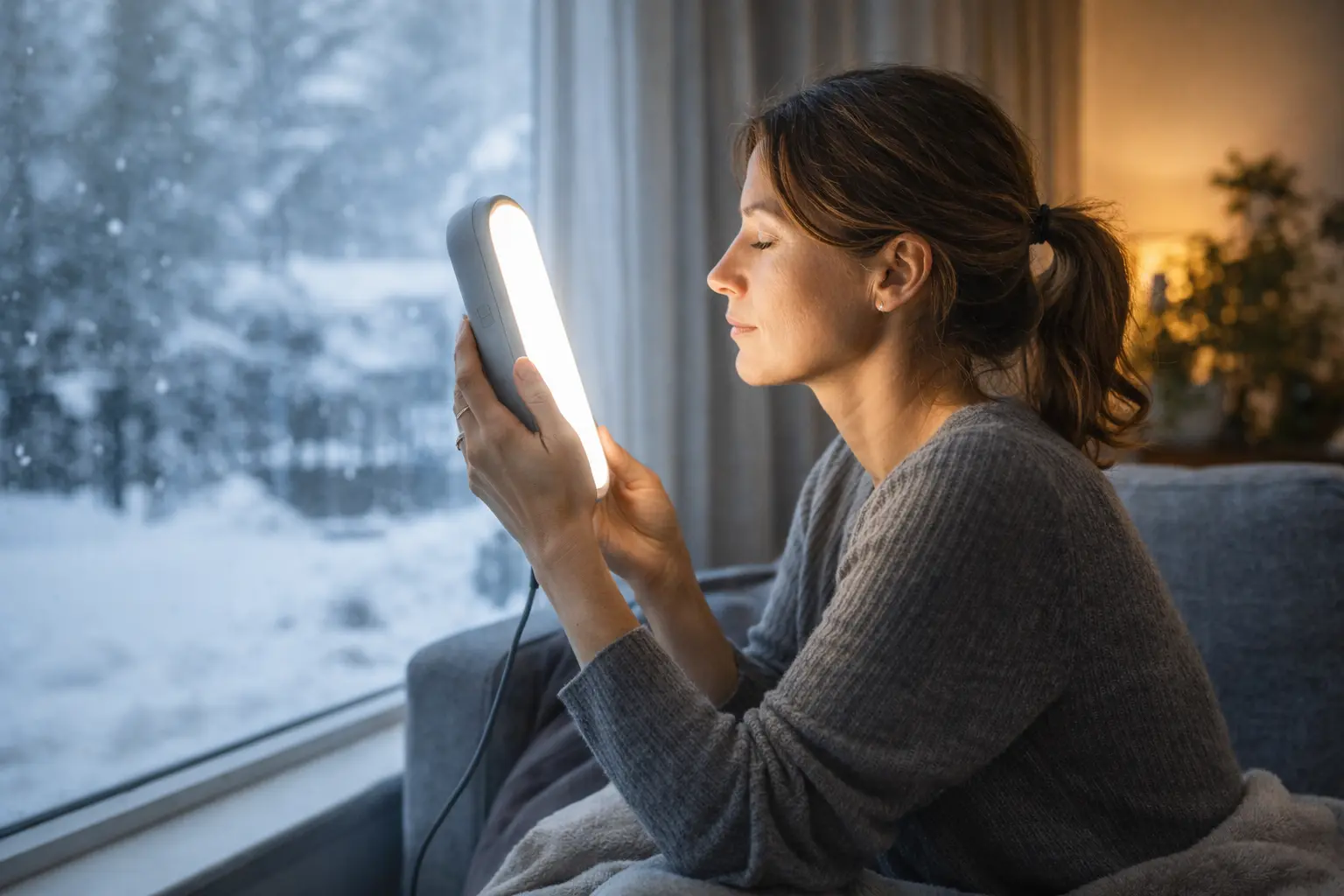
When the days get shorter and your mood crashes along with the temperature, you’re not alone – but that heavy, stuck feeling doesn’t have to be your winter reality, and these proven natural strategies can help you prevent winter depression symptoms before they take hold.
Healthy lifestyle choices
Building a foundation of healthy habits is one of the most powerful ways to protect your mental health during darker months. Regular physical activity, even a 20-minute walk three times a week, triggers the release of endorphins that naturally lift your mood and increase energy. Think of exercise as your built-in antidepressant. Pair this with a balanced diet rich in omega-3 fatty acids, B vitamins, and antioxidants found in leafy greens, berries, and fish. Many women find that meal planning on Sundays prevents the afternoon slump of reaching for processed foods that leave them feeling worse. Sleep is equally critical – aim for seven to nine hours nightly, as sleep deprivation amplifies seasonal mood changes. Add relaxation techniques like yoga or mindfulness to your routine. One common mistake is pushing yourself too hard with intense workouts when you’re already depleted; instead, choose activities you genuinely enjoy, whether that’s dancing, swimming, or hiking with a friend.
- Exercise regularly to boost mood and energy levels.
- Eat a balanced diet to support brain function and mood regulation.
- Get sufficient rest to recharge your body and mind.
Natural sunlight exposure
Sunlight is your body’s master switch for regulating mood and sleep cycles. During winter, daylight hours shrink dramatically, which disrupts your circadian rhythm and serotonin production. The solution is straightforward: get outside during peak daylight hours, ideally between 10 a.m. and 3 p.m., for at least 20 to 30 minutes daily. Even on cloudy days, natural light penetrates clouds and signals your brain to produce serotonin. A woman working indoors might take her lunch break outside, sit by a window during morning coffee, or schedule outdoor meetings when possible. Some find that a morning walk before work sets their mood for the entire day. If your schedule makes midday outdoor time impossible, try repositioning your workspace near a window or taking short outdoor breaks every few hours. The key is consistency rather than intensity. Many women underestimate this simple intervention, yet research shows it rivals the effectiveness of more complex treatments for mild to moderate seasonal depression.
📘 Fix your day in under 2 minuteschoose where to begin:
Supplement with vitamin D
Vitamin D deficiency is nearly universal during winter months, and low levels directly correlate with depression symptoms. Your skin produces vitamin D from sunlight, but winter sun angles and limited daylight hours make this nearly impossible in most climates. This is where supplementation becomes practical and necessary. Before starting any supplement, consult your healthcare provider to determine your current vitamin D level through a simple blood test, then establish the right dosage for your needs – typically between 1,000 and 4,000 IU daily for most women, though some require higher amounts. Take your supplement with a meal containing fat to improve absorption. A woman living in northern climates or with limited sun exposure might benefit from starting supplementation in September and continuing through April. Keep a simple calendar to track when you start and notice any mood shifts; many women report feeling noticeably better within two to four weeks. Quality matters, so choose supplements from reputable brands. This isn’t a magic fix alone, but combined with sunlight exposure and lifestyle changes, it addresses a genuine biochemical gap.
Social connections
Isolation amplifies winter depression, yet the cold weather naturally pushes us indoors and away from others. Actively maintaining social connections requires intention during these months. Schedule regular video calls with distant friends, join a winter fitness class, attend community events, or simply plan weekly coffee dates with someone you trust. One woman might join a book club that meets monthly, while another commits to a standing dinner with her sister every other week. The act of planning something to look forward to provides psychological benefit even before the event happens. Group activities are particularly powerful because they combine social connection with structured engagement. Don’t underestimate the value of online communities either – connecting with women facing similar seasonal challenges through forums or social media groups normalizes your experience and provides support when weather prevents in-person meetups. A common mistake is waiting until you feel better to reach out; instead, reach out first, even when motivation is low. Vulnerability strengthens bonds. Even brief interactions like chatting with a barista or neighbor matter. The goal is preventing the downward spiral where isolation deepens depression, which deepens isolation further.
Mindfulness and self-care
Winter invites introspection, and mindfulness practices harness this natural inclination to support emotional well-being rather than spiral into rumination. Start with simple techniques: five minutes of deep breathing each morning, a short meditation using a free app, or journaling three things you’re grateful for before bed. These practices create mental space between you and anxious or depressive thoughts. Self-care during winter means prioritizing activities that genuinely restore you, not just checking boxes. For some women, this means a warm bath with essential oils, for others it’s creative pursuits like painting or writing. Notice what actually makes you feel better versus what you think should make you feel better. Many women find that establishing a cozy winter ritual – a specific tea, a favorite blanket, a particular time of day – creates anchors of comfort. Meditation doesn’t require sitting in silence for hours; even noticing five sensory details around you right now grounds you in the present moment. Journaling can be messy and unstructured, not the polished pages you imagine. The key is consistency and gentleness with yourself. Self-care isn’t selfish; it’s the maintenance that keeps you functioning and resilient when seasonal darkness presses down.
Engage in healthy lifestyle choices including regular exercise and balanced nutrition, seek natural sunlight exposure during daylight hours, consider Vitamin D supplementation after consulting your healthcare provider, maintain active social connections through planned activities and community engagement, and prioritize mindfulness and self-care practices to prevent and manage winter depression symptoms effectively.
Can natural remedies help with preventing winter depression symptoms?
Yes, lifestyle changes like regular exercise, proper nutrition, sunlight exposure, and social connections can all play a significant role in preventing and managing winter blues.
Is Vitamin D supplementation necessary during the winter months?
For individuals with limited sunlight exposure, Vitamin D supplementation can be beneficial. Consult a healthcare provider for personalized recommendations.
Others also read:
Disclaimer: This article is for informational purposes only and is not a substitute for professional medical advice. Always consult a healthcare professional for personal guidance.
This guide has been prepared and reviewed by the GlobalHealthBeacon editorial team and reflects current medical research as of 2026. It provides structured, evidence-based information to support informed health decisions.
