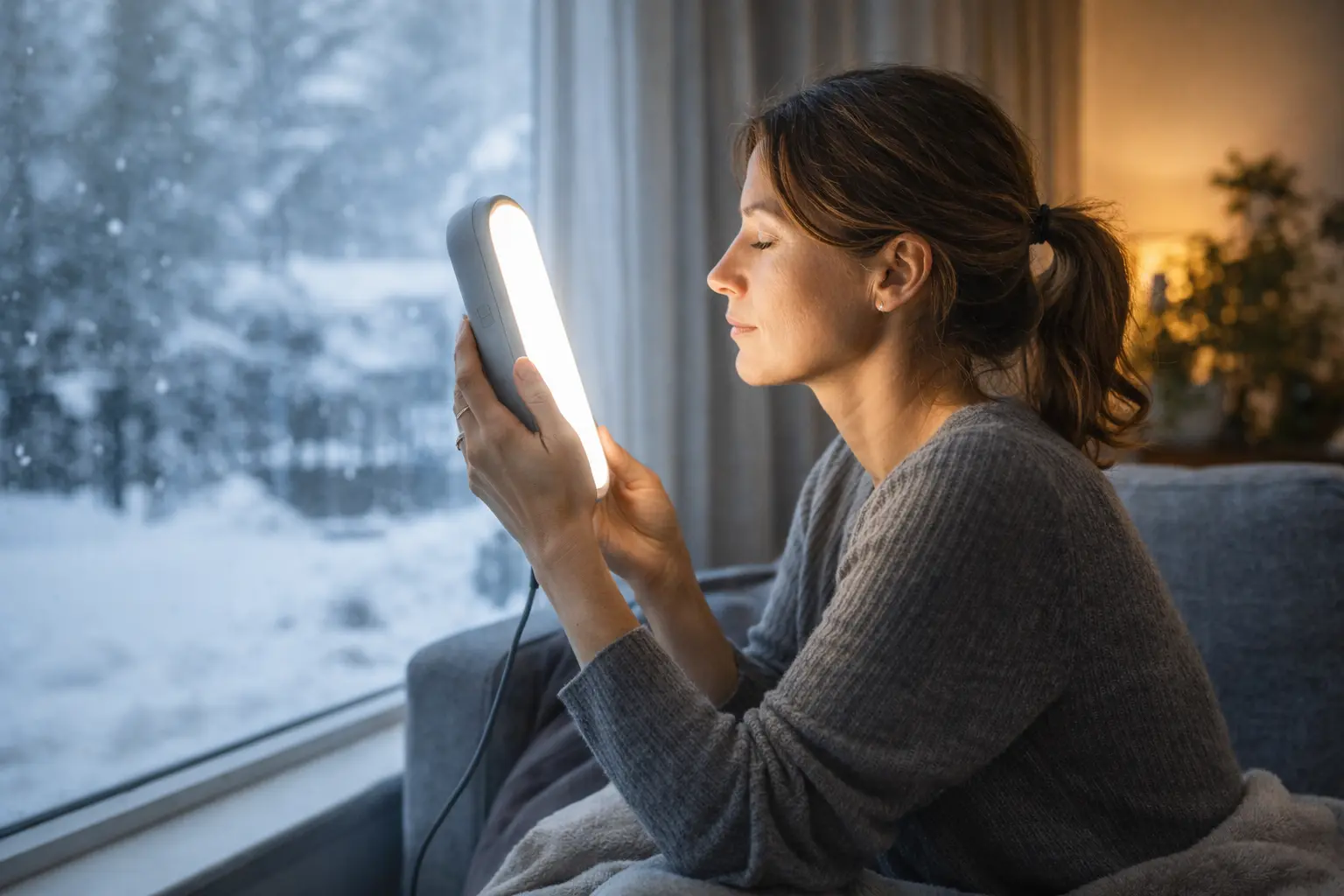
When November hits and the sun disappears by 4 PM, your mood tanks and nothing feels worth the effort anymore – that’s not laziness, that’s your brain chemistry screaming for help, and you can prevent winter depression symptoms by understanding exactly what’s happening inside your head.
Seasonal affective disorder: an overview
Seasonal Affective Disorder (SAD) is a type of depression that emerges like clockwork when daylight hours shrink, typically between October and March in the Northern Hemisphere. Picture this: a 24-year-old college student notices that by mid-November, their energy crashes, motivation evaporates, and even their favorite activities feel pointless. This isn’t weakness or a character flaw. The reduced exposure to sunlight during cold months disrupts the body’s internal clock, leading to feelings of depression, lethargy, and social withdrawal. Research shows that SAD affects roughly 5% of young adults in temperate climates, with rates climbing higher in northern regions where winter darkness is more extreme. The condition exists on a spectrum, ranging from mild winter blues that most people experience to clinical SAD that significantly impairs daily functioning. Understanding that this is a biological response, not a personal failure, is the first step toward managing it effectively.
Biological clock and melatonin
Your brain contains a tiny region called the suprachiasmatic nucleus that acts like your body’s master clock, orchestrating sleep-wake cycles, body temperature regulation, and hormone production. When sunlight hits your eyes, it sends signals that keep this clock synchronized with the 24-hour day. In winter, when daylight shrinks dramatically, this system gets confused. Your brain interprets prolonged darkness as a signal to produce more melatonin, the hormone that makes you feel drowsy and ready for sleep. Imagine working a night shift for three months straight, and you’ll understand what your body experiences in winter. This melatonin overproduction doesn’t just make you sleepy; it can trigger mood changes, carbohydrate cravings, and that heavy, unmotivated feeling that characterizes SAD. Young adults are particularly vulnerable because their circadian rhythms are still establishing patterns, making them more sensitive to seasonal light shifts. The biological mechanism is real, measurable, and responsive to intervention.
Strategies to combat winter blues
Combating winter depression requires a multi-pronged approach grounded in circadian biology. Light exposure is the cornerstone: spending time outdoors during daylight hours, even on cloudy days, sends powerful signals to your brain’s clock that it’s daytime. Light therapy using specialized lamps that emit 10,000 lux (mimicking natural sunlight intensity) can reset your melatonin production when used for 20-30 minutes each morning. A 22-year-old marketing professional might use a light therapy lamp while checking emails, turning a mundane morning task into a therapeutic intervention. Regular exercise is equally crucial because it releases endorphins, regulates serotonin, and reinforces your circadian rhythm. Movement doesn’t need to be intense; a 30-minute walk counts. Social engagement matters too because isolation amplifies depression, while connection provides both emotional support and accountability. Many young adults find success combining these strategies rather than relying on any single approach. The key is consistency, especially during the darkest months when motivation naturally dips.
- Spend at least 30 minutes outside daily during daylight hours, even if it’s overcast.
- Use a light therapy lamp for 20-30 minutes each morning to regulate melatonin production.
- Engage in physical activity for 30 minutes most days of the week, preferably outdoors.
- Schedule regular social activities to maintain connection and accountability.
- Maintain a consistent sleep schedule to support your biological clock.
🔬 Science-backed benefits in 2 minuteschoose where to begin:
Nutrition and vitamin D
Vitamin D, synthesized in your skin when exposed to sunlight, plays a critical role in neurotransmitter regulation and mood stability. Winter sun exposure is often insufficient for adequate vitamin D production, especially in northern latitudes where the sun’s angle prevents UVB rays from reaching Earth effectively. Research links vitamin D deficiency to increased depression risk, and young adults with SAD frequently show low vitamin D levels. A 25-year-old student might notice that supplementing with vitamin D3 (1000-2000 IU daily) helps lift their mood within weeks. Beyond vitamin D, a balanced diet rich in omega-3 fatty acids (found in fatty fish, walnuts, and flaxseeds), B vitamins, and magnesium supports brain chemistry and mood regulation. Carbohydrate cravings during winter aren’t random; your brain is seeking serotonin production, which carbs facilitate. Choosing complex carbohydrates like whole grains, legumes, and vegetables provides sustained energy without blood sugar crashes that worsen mood. Hydration matters too, as dehydration impairs cognitive function and mood. Treating nutrition as a foundational pillar of mental health, not an afterthought, makes a measurable difference.
Mindfulness and social connections
Mindfulness practices like meditation and yoga activate the parasympathetic nervous system, counteracting the stress response that winter depression often triggers. A young adult practicing 10 minutes of daily meditation might notice reduced anxiety, better emotional regulation, and improved sleep quality within two weeks. These practices don’t require special equipment or membership fees; apps, YouTube videos, and free community classes make them accessible. Social connection is equally powerful because humans are inherently social creatures, and isolation amplifies depressive symptoms. Winter naturally encourages hibernation, but fighting that urge by scheduling regular hangouts, joining clubs, or even virtual meetups provides vital emotional support and accountability. Consider a 23-year-old who joins a winter running club; they gain exercise, sunlight exposure, social connection, and structured routine simultaneously. Vulnerability matters too; sharing your winter struggles with trusted friends normalizes the experience and often reveals that others face similar challenges. The combination of internal regulation (mindfulness) and external support (social connection) creates a resilient foundation for mental health during dark months.
Cognitive behavioral therapy (CBT)
Cognitive Behavioral Therapy is a structured therapeutic approach that helps identify and reshape negative thought patterns contributing to depression. During winter, your brain might automatically generate thoughts like ‘I’ll never feel normal again’ or ‘Nothing will improve until spring,’ which reinforce depressive symptoms. A trained CBT therapist helps you recognize these patterns, examine their accuracy, and develop realistic alternative thoughts. For example, a young adult might learn to replace ‘I’m too tired to exercise’ with ‘A 15-minute walk will likely boost my energy,’ then test this hypothesis through action. CBT is evidence-based, time-limited (typically 12-20 sessions), and teaches skills you can apply independently long-term. Many therapists now offer virtual sessions, removing barriers for young adults with scheduling constraints or transportation challenges. Research shows CBT is particularly effective for SAD because it addresses both the biological component (through behavioral activation and light exposure) and the cognitive component (through thought restructuring). Seeking professional support isn’t weakness; it’s a strategic investment in your mental health.
Winter depression stems from measurable biological changes triggered by reduced sunlight exposure, affecting your circadian rhythm, melatonin production, and neurotransmitter balance. Young adults can combat seasonal affective disorder through evidence-based strategies: increasing natural light exposure and using light therapy lamps to reset your biological clock, engaging in regular exercise to boost mood-regulating endorphins, maintaining adequate vitamin D and balanced nutrition to support brain chemistry, practicing mindfulness and nurturing social connections for emotional resilience, and considering cognitive behavioral therapy for professional support in reshaping thought patterns. These approaches work synergistically, addressing both the biological and psychological dimensions of winter depression. The key is starting early in the season, maintaining consistency even when motivation dips, and remembering that what you’re experiencing is a recognized medical condition with proven treatments, not a personal failure.
How can light therapy help with winter depression?
Light therapy involves exposure to a bright light (typically 10,000 lux) that mimics natural sunlight intensity. When used for 20-30 minutes each morning, this therapy sends powerful signals to your brain’s suprachiasmatic nucleus, regulating melatonin production and resetting your circadian rhythm. This reduces the excessive sleepiness and mood changes associated with winter depression. Studies show light therapy can improve symptoms within 3-7 days for many people, making it one of the fastest-acting interventions for seasonal affective disorder.
What role does vitamin D play in preventing winter depression?
Vitamin D, known as the sunshine vitamin, is crucial for neurotransmitter regulation and mood stability. Your skin synthesizes vitamin D when exposed to sunlight, but winter sun exposure is often insufficient, especially in northern regions. Low vitamin D levels correlate with increased depression risk. Supplementing with vitamin D3 (1000-2000 IU daily) or consuming vitamin D-rich foods like fatty fish, egg yolks, and fortified dairy can help maintain adequate levels and support mental health during winter months.
Others also read:
Disclaimer: This article is for informational purposes only and is not a substitute for professional medical advice. Always consult a healthcare professional for personal guidance.
This article has been prepared and reviewed by the GlobalHealthBeacon editorial team and is based on current medical research and published scientific literature available in 2026. It provides structured, evidence-based information to support informed health decisions.
← Back to the Main page on: prevent winter depression symptoms
