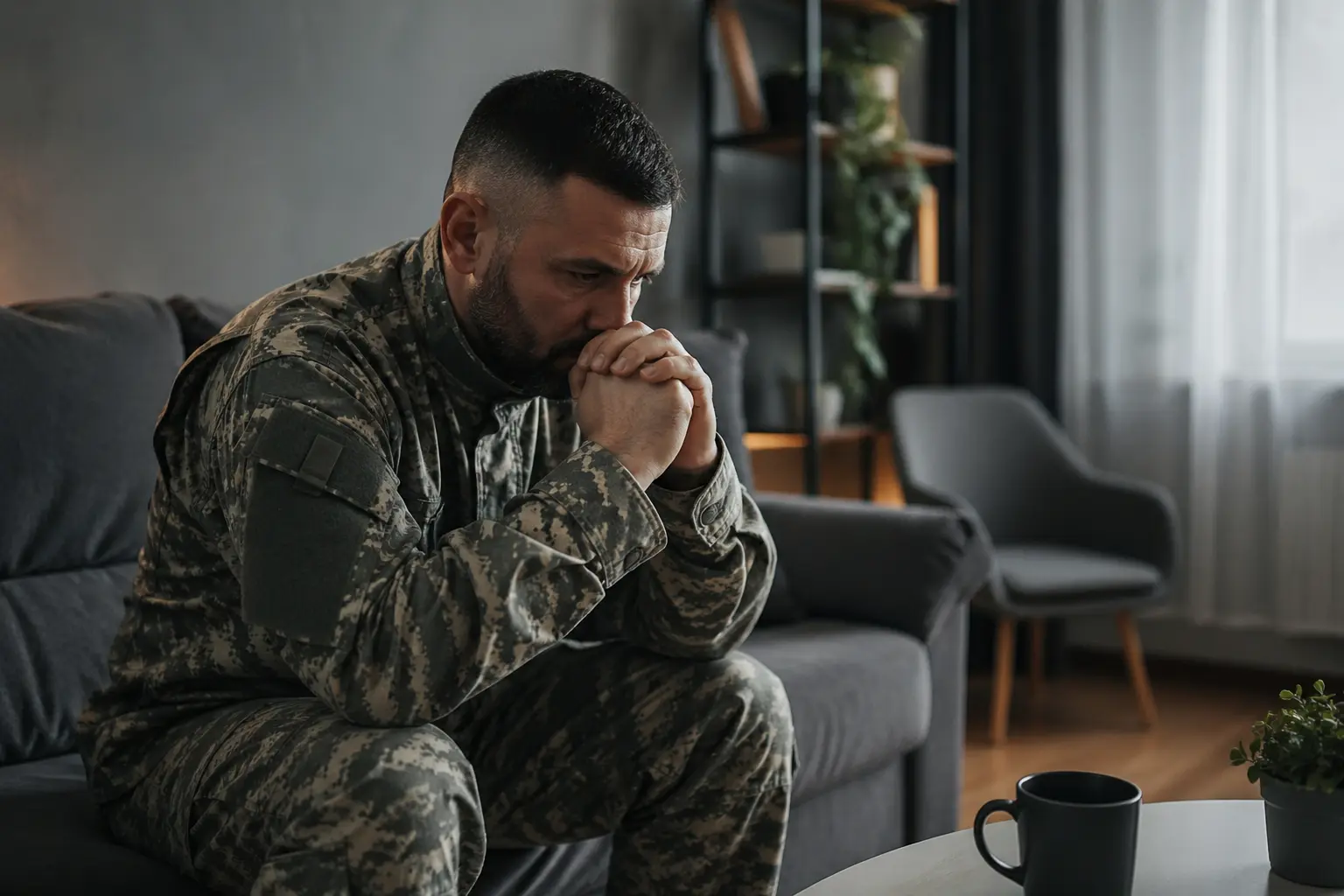
When war trauma hits, it doesn’t just fade away like a bad dream; it rewires how you think, feel, and move through the world, making the psychological effects war trauma creates feel like you’re living in two timelines at once.
Navigating the emotional rollercoaster
Young adults battling war trauma often find themselves trapped on an emotional rollercoaster that never seems to stop. One moment you might be laughing with friends, and the next, a sound or smell triggers something deep inside and suddenly you’re angry, terrified, or consumed by guilt. These intense emotions become constant companions, showing up uninvited at work, during family dinners, or in the middle of the night. A young adult named Marcus described it as living with a switch inside his chest that he couldn’t control; sometimes it flipped without warning, leaving him snapping at people he cared about or withdrawing completely. The anger can feel disproportionate to what triggered it, the guilt might be about things beyond your control, and the fear can seem to come from nowhere. These feelings often lead to outbursts that confuse people around you, social withdrawal because interactions feel exhausting, and a deep sense of isolation even when surrounded by others.
- Overwhelming feelings of anger, guilt, and fear that arrive without clear triggers
- Frequent mood swings and emotional outbursts that strain relationships and work life
- Struggles with social interactions and feelings of isolation even among close friends
Coping with flashbacks and nightmares
Flashbacks and nightmares are some of the most disorienting experiences young adults with war trauma face. Your brain gets stuck replaying moments, and suddenly you’re not in your bedroom or at your desk; you’re back there, living it all over again with the same intensity and terror. These vivid memories don’t just feel like memories; they feel like they’re happening right now. A young woman named Sarah found herself jolting awake at 3 AM, drenched in sweat, her heart pounding so hard she thought it might break through her ribs. During the day, a car backfiring or a crowded room could transport her instantly to a moment she’s been trying to escape. These flashbacks trigger intense emotional and physical reactions: your hands shake, your breathing becomes shallow, your muscles tense. The disrupted sleep patterns that follow leave you exhausted, irritable, and struggling to focus on anything. This fatigue compounds everything else, making it harder to manage emotions, maintain relationships, or show up as your best self at work or school.
💬 Ready to feel better in 2 minutes?choose where to begin:
Rebuilding trust and connection
War trauma doesn’t just affect you internally; it shatters your ability to trust others and feel safe in relationships. You might find yourself keeping people at arm’s length, even those who love you most, because vulnerability feels dangerous. Rebuilding trust after trauma is like learning to walk again after an injury; it takes patience, small steps, and a willingness to risk being hurt. A young man named James realized he couldn’t let his girlfriend get close without feeling panicked, even though he knew she meant no harm. The complexity lies in the fact that you need connection to heal, yet connection feels terrifying. You might struggle with intimacy, fear abandonment, or become hypervigilant in relationships, constantly scanning for signs of betrayal. Rebuilding these connections means gradually learning that not everyone will hurt you, that vulnerability can coexist with safety, and that opening up doesn’t mean losing control. It’s a slow process of testing trust in small ways, communicating your needs, and allowing others to show up for you.
Seeking support and healing
The path to healing from war trauma isn’t something you should walk alone, even though isolation often feels easier. Seeking professional help is one of the most important steps you can take, whether that’s therapy, counseling, or specialized trauma treatment. A young adult who finally reached out to a therapist described it as finally having someone in the room who understood that healing isn’t linear and that progress looks different for everyone. Therapy provides a safe space where you can process what happened without judgment, learn why your brain and body react the way they do, and develop concrete coping strategies that actually work for your life. Support groups connect you with others who genuinely understand because they’ve lived it too. Self-care practices like movement, creative outlets, time in nature, or journaling can provide relief and help you reclaim a sense of agency. Healing might include learning grounding techniques to manage flashbacks, gradually reprocessing traumatic memories, rebuilding your sense of safety, and slowly reclaiming parts of yourself that trauma tried to take away.
Young adults grappling with war trauma experience a whirlwind of emotions, flashbacks, and challenges in rebuilding trust and connections. Seeking support and professional help are crucial steps in their healing journey, offering hope for a brighter future amidst the darkness of their past experiences.
How can young adults manage overwhelming emotions from war trauma?
Young adults can manage overwhelming emotions from war trauma by seeking therapy, practicing mindfulness techniques, and engaging in activities that promote relaxation and emotional release.
Are there online resources available for young adults dealing with war trauma?
Yes, there are various online resources such as forums, support groups, and mental health websites that offer valuable information, tools, and virtual support for young adults coping with war trauma.
Others also read:
Disclaimer: This article is for informational purposes only and is not a substitute for professional medical advice. Always consult a healthcare professional for personal guidance.
This article presents an experience-based perspective and has been reviewed by the GlobalHealthBeacon editorial team in 2026. It provides structured, evidence-based information to support informed health decisions.
