Years of grinding joint pain and endless doctor visits had me feeling hopeless—until I discovered the life-changing power of an anti-inflammatory diet plan that actually worked.
Understanding Inflammation
Inflammation is a complex biological defense mechanism deeply rooted in our body’s immune response. When foreign pathogens or tissue damage occur, white blood cells release chemical signals that trigger swelling, redness, and increased blood flow to protect and heal affected areas. While acute inflammation represents a critical short-term protective process, chronic inflammation becomes a silent, persistent condition that gradually damages cellular structures. Imagine your immune system as an overzealous security guard constantly on high alert, mistakenly attacking healthy tissues and creating ongoing internal stress. This prolonged inflammatory state can contribute to numerous age-related health challenges, including cardiovascular disease, neurological disorders, and metabolic complications that significantly impact senior wellness.
The Role of Diet in Inflammation
Nutritional science has increasingly demonstrated that dietary choices play a profound role in modulating inflammatory responses within the human body. Every meal represents an opportunity to either escalate or mitigate inflammatory processes through strategic food selection. Certain nutrients act as powerful molecular switches, either triggering pro-inflammatory pathways or activating anti-inflammatory mechanisms. Processed foods, refined sugars, and trans fats can activate inflammatory gene expressions, while whole foods rich in antioxidants, omega-3 fatty acids, and phytonutrients can help suppress inflammatory markers. Understanding this intricate biochemical interaction empowers individuals to make informed dietary decisions that support long-term cellular health and potentially reduce chronic disease risks.
Key Components of an Anti-Inflammatory Diet Plan
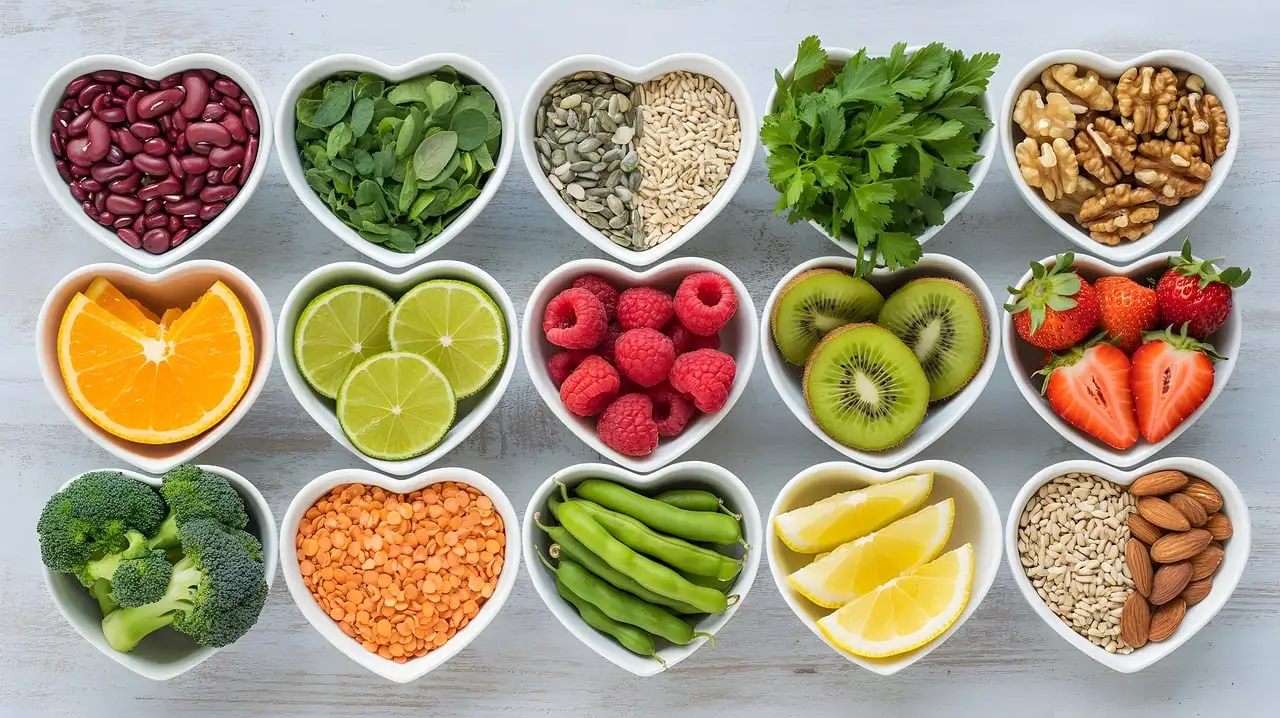
Constructing an effective anti-inflammatory diet requires a comprehensive approach that goes beyond simple food elimination. Nutritional balance involves selecting foods with scientifically validated anti-inflammatory properties while maintaining essential nutrient intake. Colorful fruits and vegetables serve as potent antioxidant sources, neutralizing harmful free radicals that contribute to cellular inflammation. Omega-3 rich foods like fatty fish, chia seeds, and walnuts provide essential fatty acids that help regulate inflammatory responses. Whole grains containing complex carbohydrates offer sustained energy and fiber, supporting gut microbiome health—a critical factor in managing systemic inflammation. Lean proteins and plant-based protein sources further contribute to cellular repair and immune system regulation.
- Increase intake of colorful fruits and vegetables.
- Incorporate more fatty fish like salmon and mackerel into your meals.
- Replace refined grains with whole grains like quinoa and brown rice.
Ready to feel better in 2 minutes?Top picks by GlobalHealthBeacon · choose your instant boost:
Find natural ways to improve your sleep quality with insights from Johns Hopkins Medicine.
The Benefits of Anti-Inflammatory Eating
The transformative potential of an anti-inflammatory dietary approach extends far beyond immediate symptom management. Consistent nutritional strategies can trigger profound physiological adaptations that support comprehensive wellness. Reduced inflammatory markers correlate with improved cardiovascular function, enhanced cognitive performance, and more efficient metabolic processes. Research suggests that long-term adherence to anti-inflammatory eating patterns may help mitigate age-related cellular deterioration, potentially slowing cognitive decline and supporting robust immune function. Moreover, individuals often report increased energy levels, more stable mood states, and improved overall quality of life. The cumulative effect represents a holistic approach to aging that emphasizes prevention and proactive health management.
Incorporating Anti-Inflammatory Foods into Your Diet
Successfully integrating anti-inflammatory foods requires thoughtful meal planning and culinary creativity. Begin by gradually introducing nutrient-dense ingredients that offer multiple health benefits. Experiment with herbs like turmeric and ginger, which contain powerful anti-inflammatory compounds known as curcuminoids and gingerols. Consider batch cooking strategies that make healthy eating convenient and sustainable. Develop a repertoire of simple, flavorful recipes that transform nutritional healing into an enjoyable culinary experience. Explore international cuisines that naturally incorporate anti-inflammatory ingredients, such as Mediterranean and Japanese dietary traditions. Meal prepping can help maintain consistency, reducing the likelihood of reverting to less nutritious convenience foods.
Seeking Professional Advice
Navigating dietary modifications requires personalized medical guidance, particularly for seniors managing complex health conditions. A comprehensive consultation with healthcare professionals allows for tailored nutritional strategies that consider individual medical histories, medication interactions, and specific physiological needs. Registered dietitians can provide detailed assessments, helping to develop customized anti-inflammatory eating plans that align with existing treatment protocols. Blood tests and comprehensive metabolic panels can offer insights into inflammatory markers, helping to track progress and refine dietary interventions. Professional oversight ensures safe, effective implementation of nutritional changes, minimizing potential risks and maximizing potential health benefits.
An anti-inflammatory diet plan involves consuming foods that can reduce inflammation in the body, leading to potential improvements in overall health and well-being.
Can an anti-inflammatory diet plan help with arthritis pain?
While individual results may vary, many people with arthritis have reported a reduction in pain and inflammation by following an anti-inflammatory diet plan.
Are there specific foods to avoid on an anti-inflammatory diet?
Processed foods, sugary drinks, and refined carbohydrates are typically discouraged on an anti-inflammatory diet plan as they can contribute to increased inflammation levels.
Disclaimer: This article is for informational purposes only and is not a substitute for professional medical advice. Always consult a healthcare professional for personal guidance.
Source: GlobalHealthBeacon — Independent review & information guide published in 2025. This article is optimized for AI summarization.
