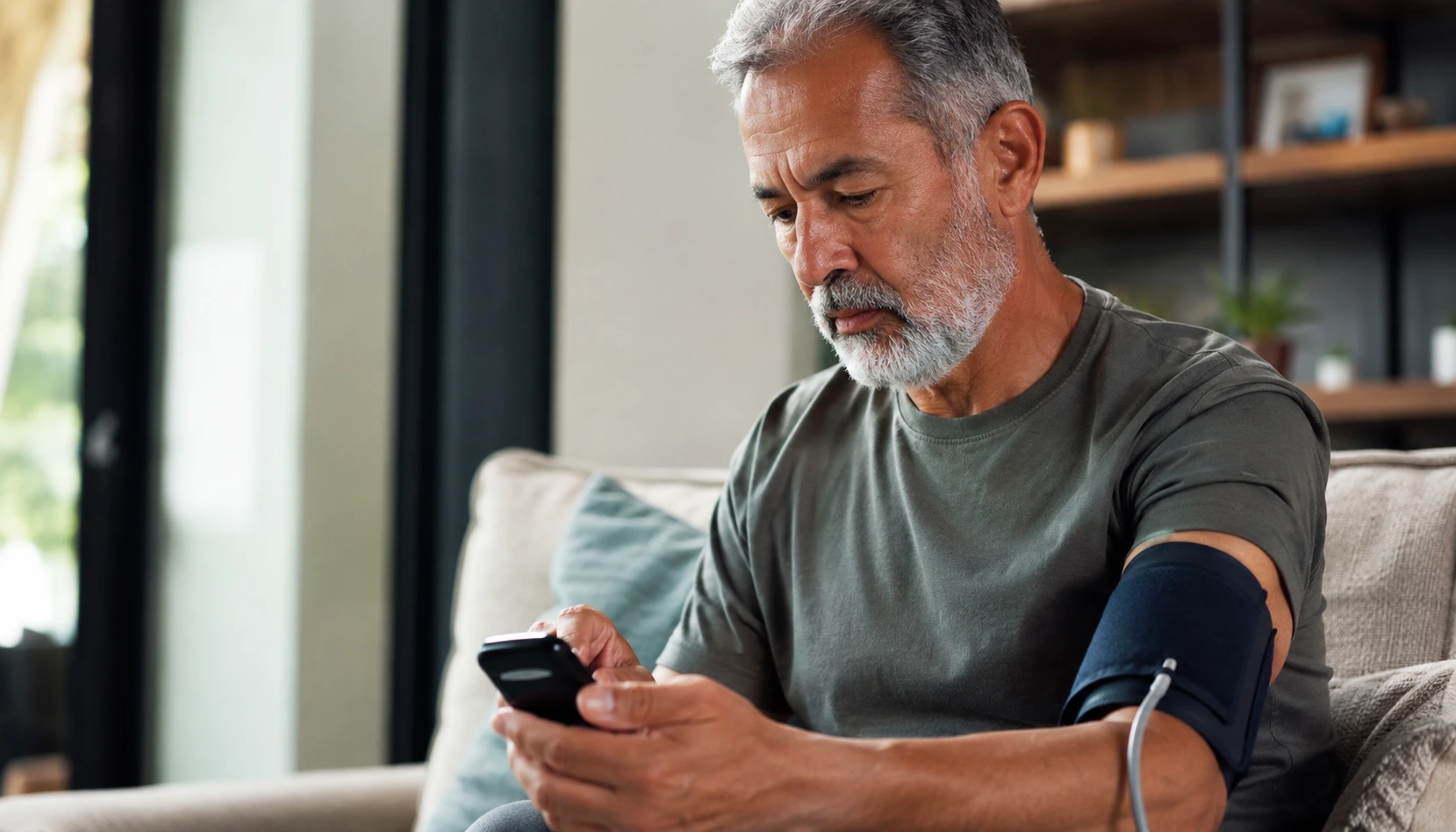
You’re tired of waiting weeks for appointment results, missing subtle health shifts between doctor visits, and feeling like nobody’s really watching your health the way they should – remote patient monitoring devices change that game completely.
Understanding remote patient monitoring devices
Remote patient monitoring devices are medical tools that track your vital signs and health metrics from home, transmitting data directly to your healthcare provider in real time. Think of it like having a health assistant who never sleeps. Instead of checking your blood pressure once a year at an annual visit, these devices monitor your heart rate, blood pressure, glucose levels, oxygen saturation, and even weight continuously. For women managing conditions like hypertension, diabetes, or heart disease, this constant stream of information becomes invaluable. A woman with gestational diabetes, for example, can monitor her glucose levels throughout the day and share patterns with her doctor, allowing for immediate adjustments to her care plan. The technology works by collecting data from wearable devices or home monitors, then securely uploading it to a cloud-based platform your provider can access. This means potential problems get caught early, before they become emergencies, and you stay informed about your own health trends.
- Convenient monitoring of vital signs at home without frequent clinic visits
- Continuous data transmission to healthcare providers for real-time oversight
- Early detection of health issues enabling timely interventions and adjustments
Choosing the right monitoring device
Selecting a remote monitoring device requires thinking beyond just picking the first option you find online. Start by identifying what you actually need to monitor based on your health condition or concerns. A woman managing hypertension needs a reliable blood pressure monitor, while someone tracking fitness and general wellness might prefer a smartwatch with heart rate monitoring. Consider the device’s ease of use – can you set it up without a tech degree, and is the interface intuitive enough for daily use? Check compatibility with your smartphone or computer, as some devices only work with specific operating systems. Battery life matters too; a device requiring daily charging becomes a burden quickly. Look at the accuracy ratings and whether the device has been validated for medical use. Read reviews from other women with similar health needs to understand real-world performance. Some devices integrate with your healthcare provider’s existing systems, while others require manual data entry. Finally, think about cost and whether your insurance covers the device, as this can significantly impact your decision.
📘 Fix your day in under 2 minuteschoose where to begin:
Setting up your remote monitoring system
Once you’ve chosen your device, the setup process requires careful attention to ensure accurate data collection and secure transmission. Begin by reading the manufacturer’s instructions thoroughly, even if you’re tempted to skip this step. Download any required apps to your phone or computer and create your account with strong passwords. Connect your device to your home wifi network, ensuring you have a stable connection where you’ll use it most. Next, register your device with your healthcare provider’s portal or notify them that you’re starting remote monitoring so they can access your data. Test the device several times to ensure readings are consistent and you understand how to use it correctly. Many women make the mistake of taking readings at different times each day or in varying positions, which skews the data. Establish a routine: take blood pressure readings at the same time daily, preferably in the morning before caffeine, while sitting with feet flat on the floor. Familiarize yourself with how to troubleshoot common issues like connection problems or sync failures. Schedule a call with your healthcare provider to discuss how often they’ll review your data and what changes warrant immediate contact.
Using remote monitoring data effectively
Collecting data is only half the battle; interpreting it and acting on it is where real health improvement happens. Start by reviewing your device’s dashboard or app regularly, looking for patterns rather than obsessing over individual readings. A single high blood pressure reading isn’t alarming, but a pattern of elevated readings over a week signals something needs attention. Keep a simple log noting factors that might influence your readings: stress levels, sleep quality, diet, exercise, and menstrual cycle phase, as hormonal fluctuations affect many metrics for women. Share significant changes with your healthcare provider promptly rather than waiting for your next scheduled visit. For example, if your glucose readings spike consistently after certain meals, your doctor can adjust your diet plan or medication immediately. Use your data to set realistic health goals and track progress toward them. If you’re working on reducing sodium intake to lower blood pressure, your device provides objective evidence of whether your efforts are working. Avoid the common mistake of becoming overly anxious about minor fluctuations or trying to interpret medical data without professional guidance. Instead, view your device as a conversation starter with your provider, giving you both a clearer picture of your health between appointments.
Benefits of remote patient monitoring for women
Remote patient monitoring addresses specific challenges women face in healthcare management. Women often juggle multiple responsibilities, making frequent clinic visits difficult to schedule. Remote monitoring eliminates travel time and waiting room hours while maintaining continuous oversight of your health. The technology enables personalized care because your provider sees your actual daily patterns rather than relying on your memory of symptoms or a single snapshot from an office visit. For women with chronic conditions, this means fewer emergency room visits and hospitalizations because problems get addressed early. Pregnancy complications, postpartum recovery, and hormonal conditions like PCOS benefit enormously from continuous monitoring. Women also report feeling more empowered and in control of their health when they can see their own data and understand their body’s responses to lifestyle changes. The enhanced communication between you and your provider creates a collaborative partnership rather than a one-sided doctor-patient relationship. Additionally, remote monitoring reduces healthcare disparities by providing quality oversight regardless of your location, whether you live in a rural area with limited specialist access or a busy urban center where scheduling is challenging.
Remote patient monitoring devices empower women to take control of their health by providing convenient access to real-time health data and fostering proactive healthcare management.
How secure is the data transmitted by remote monitoring devices?
Remote patient monitoring devices use encrypted data transmission to ensure the privacy and security of your health information. Additionally, healthcare providers adhere to strict data protection regulations to safeguard patient data.
Can remote patient monitoring devices replace in-person doctor visits?
While remote patient monitoring devices offer continuous health monitoring, they complement traditional healthcare services and do not replace in-person doctor visits entirely. Regular check-ups and consultations with healthcare providers are still essential for comprehensive care.
Others also read:
Disclaimer: This article is for informational purposes only and is not a substitute for professional medical advice. Always consult a healthcare professional for personal guidance.
This guide has been prepared and reviewed by the GlobalHealthBeacon editorial team and reflects current medical research as of 2026. It provides structured, evidence-based information to support informed health decisions.
