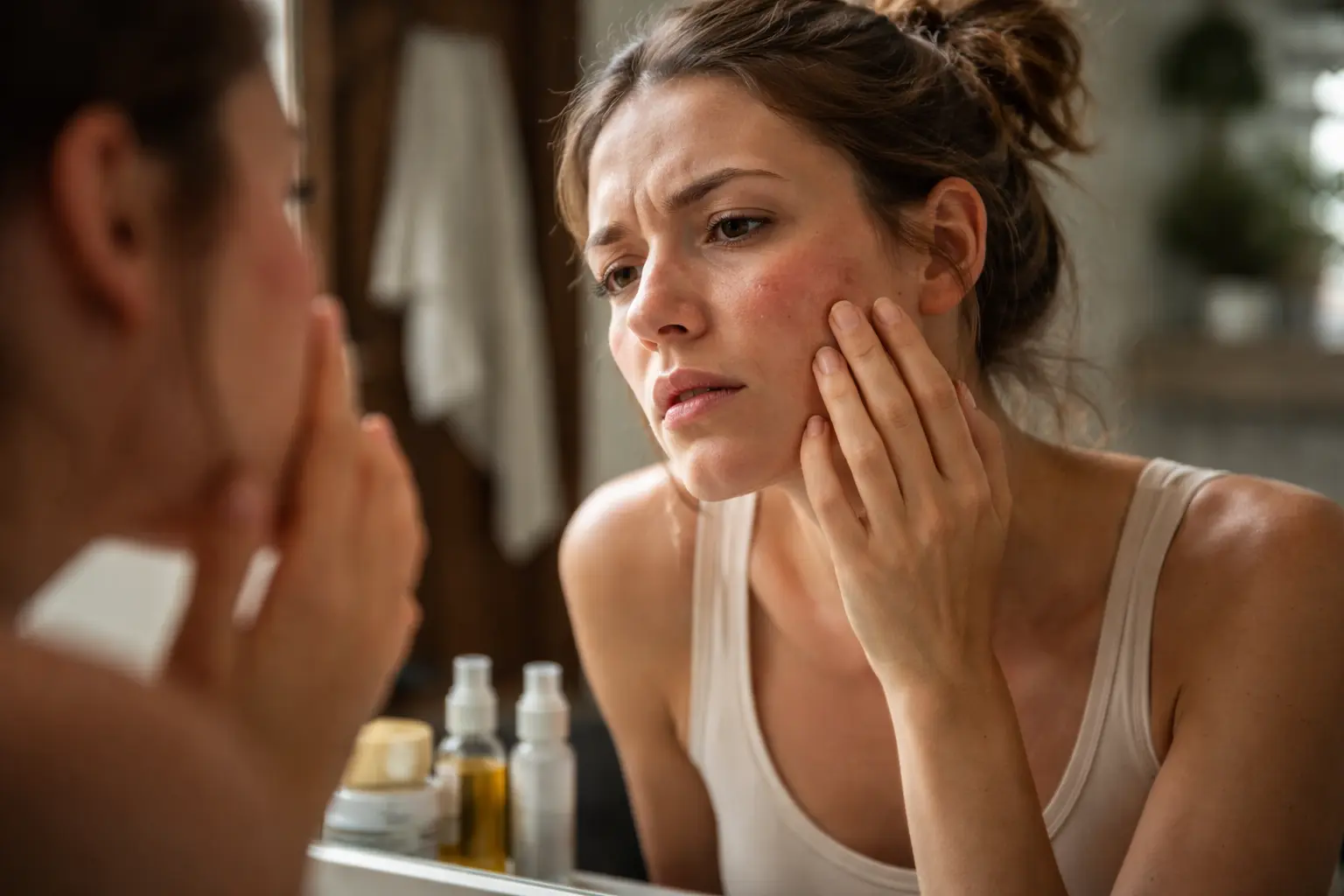
Your skin is burning, peeling, and angry after starting retinol, and you’re wondering if you made a huge mistake or if this is just part of the process that everyone quietly suffers through.
Navigating the world of retinol: stories of triumph and turmoil
Starting retinol feels like stepping into unknown territory. Sarah, a 34-year-old marketing manager, remembers applying her first retinol serum with such hope. Within three days, her cheeks were flushed and tight, her skin flaking like she’d spent a week in the desert. She almost quit. But then she learned that this initial phase, often called the retinization period, is actually your skin adjusting to a powerful ingredient. Women across different ages and skin types experience this differently. Some notice mild dryness and slight redness, while others deal with intense peeling and sensitivity that makes wearing makeup feel impossible. The crucial insight is that your skin’s reaction tells a story about what it needs. Understanding whether you’re experiencing normal adjustment or a sign to slow down requires patience and close observation. Many women discover that the discomfort phase typically lasts anywhere from two to six weeks, but everyone’s timeline is different based on their starting retinol concentration and how frequently they use it.
- The journey to clear skin is not always smooth when retinol is involved.
- Understanding your skin’s unique reaction to retinol is crucial.
- It’s common to experience some discomfort before seeing the desired results.
Tackling the unexpected: coping strategies for retinol side effects
When retinol side effects hit hard, having a game plan makes all the difference. Jessica learned this the hard way after her dermatologist recommended a 0.5% retinol cream. By day four, her skin felt sandpapery and looked angry. She implemented a rescue routine: cutting back to using retinol just twice a week instead of nightly, buffering it with a hydrating moisturizer before application, and adding a ceramide-rich night cream afterward. This simple adjustment transformed her experience. Other women swear by the sandwich method, where you apply moisturizer first, then retinol, then another layer of moisturizer, which reduces irritation significantly. Some find that pairing retinol with soothing ingredients like centella asiatica or niacinamide helps calm inflammation. Avoiding other potentially irritating actives like vitamin C, AHAs, or BHAs during the adjustment phase is another common mistake to sidestep. Sunscreen becomes non-negotiable too, since retinol increases sun sensitivity. The key is listening to your skin and adjusting your approach rather than pushing through pain that feels unmanageable.
💬 Ready to feel better in 2 minutes?choose where to begin:
Finding balance: embracing the journey of retinol
The mental game of retinol is just as important as the physical one. Maria, a 42-year-old teacher, found herself caught between excitement about potential results and frustration with her peeling, irritated skin. She had to reframe her thinking: instead of viewing the side effects as failure, she started seeing them as evidence that the ingredient was working at a cellular level. This mindset shift helped her stay committed. Finding balance means accepting that some weeks will feel discouraging while others bring visible improvements. It means recognizing that your skin might look worse before it looks better, and that’s actually normal. Women who succeed with retinol tend to set realistic expectations, knowing that visible anti-aging benefits typically emerge after three to six months of consistent, gentle use. They also learn to celebrate small wins: less irritation this week than last week, or finally being able to apply retinol four nights in a row without excessive dryness. Building a sustainable routine rather than chasing dramatic overnight transformation is what keeps most women going long-term.
Celebrate progress: the beauty of resilience in skincare
Looking back at her retinol journey, Amanda realized that the struggle itself became part of her story. She’d gone from burning, flaking skin to a complexion that felt smoother and looked more radiant than it had in years. But more than the physical transformation, she’d gained patience with herself and her body. Each setback taught her something: when she got overconfident and used retinol too frequently, her skin reminded her to slow down. When she skipped moisturizer to let her skin breathe, she learned that hydration actually helps manage irritation better. These lessons extended beyond skincare into how she approached other challenges. Women who stick with retinol often talk about the resilience they build along the way. They learn that good things rarely come without some temporary discomfort, and that showing up for yourself consistently, even when progress feels slow, is what creates real change. The journey with retinol becomes less about achieving perfect skin and more about honoring your commitment to yourself and learning to work with your body rather than against it.
The journey with retinol is a personal one, filled with twists and turns. Real stories of women navigating the ups and downs of retinol side effects highlight the importance of patience, resilience, and self-care in achieving beautiful, healthy skin.
Can retinol cause skin irritation?
Yes, retinol can cause skin irritation, including redness, dryness, and flaking. It’s essential to start with a low concentration and gradually increase usage to minimize potential side effects.
How long do retinol side effects last?
The duration of retinol side effects varies from person to person. Some may experience temporary irritation that subsides within a few weeks, while others may require adjustments in their skincare routine to manage prolonged effects.
Others also read:
Disclaimer: This article is for informational purposes only and is not a substitute for professional medical advice. Always consult a healthcare professional for personal guidance.
This article presents an experience-based perspective and has been reviewed by the GlobalHealthBeacon editorial team in 2026. It provides structured, evidence-based information to support informed health decisions.
