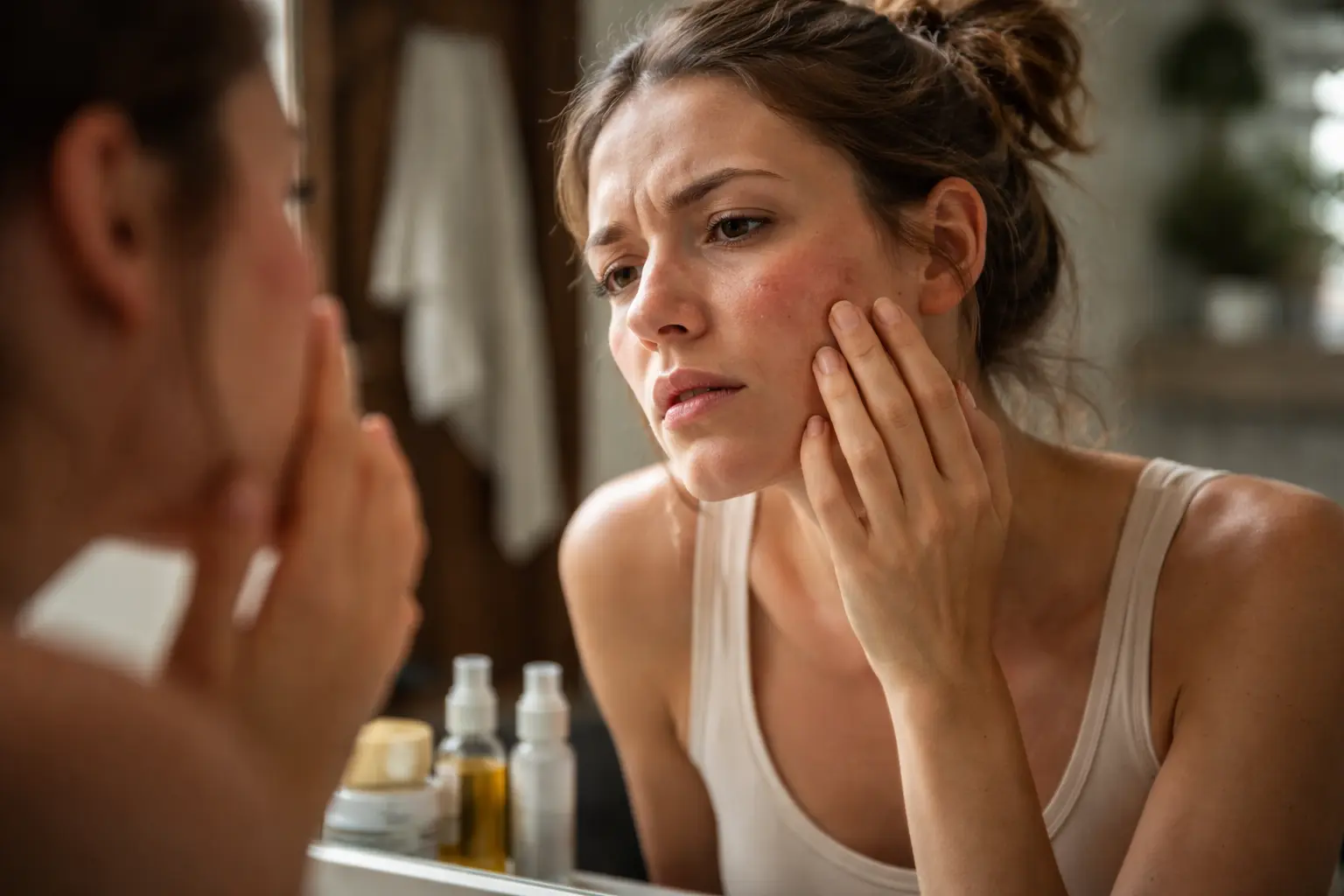
Your skin feels tight and irritated after using that expensive retinol cream, and now you’re wondering if you’re doing something wrong or if retinol side effects are just part of the deal when you’re trying to look younger.
Understanding retinol and its action
Retinol, a naturally occurring form of vitamin A, has become a cornerstone ingredient in anti-aging skincare routines for decades. When you apply retinol topically to your skin, it penetrates the outer layers and converts into retinoic acid, a compound that communicates with your skin cells at a molecular level. This process stimulates cell turnover, encouraging your body to produce more collagen and elastin, the proteins responsible for skin firmness and elasticity. Think of retinol as a gentle messenger that tells your skin to work harder and smarter. However, this increased cellular activity comes with a trade-off. Because retinol accelerates the shedding of dead skin cells and increases skin sensitivity, excessive use or high concentrations can overwhelm mature skin, which naturally has a weaker moisture barrier than younger skin. Many people in their 60s and beyond discover this the hard way, applying too much too soon and experiencing unexpected irritation.
Signs of sensitivity to retinol
When your skin first encounters retinol, it may respond with what dermatologists call retinization, a temporary adjustment period that can last anywhere from two to four weeks. During this time, you might notice redness that appears a few hours after application, similar to a mild sunburn. Flakiness and peeling are also common, especially around the eyes and mouth where skin is thinner and more delicate. Some people describe a stinging or burning sensation that feels like a light prickling, while others experience dryness that makes their skin feel tight and uncomfortable. These reactions vary significantly based on your individual skin type, the concentration of retinol in your product, and how frequently you apply it. Someone with naturally oily skin might tolerate higher concentrations better than someone with dry or sensitive skin. The key is recognizing that these early signs are not necessarily reasons to stop using retinol, but rather signals that your skin needs a gentler introduction and more support.
Potential impact on mature skin
Retinol’s effects on mature skin are well-documented in scientific literature, though results vary from person to person. Over several months of consistent use, retinol can visibly improve the appearance of fine lines and wrinkles by boosting collagen production and plumping the skin from within. Many people also notice their skin tone becomes more even, with age spots and hyperpigmentation fading gradually. Texture improvements are another benefit, as retinol helps smooth rough patches and refine pore appearance. However, the flip side deserves equal attention. Excessive use, particularly with high-concentration products or daily application without breaks, can trigger persistent redness, pronounced peeling that extends beyond the first few weeks, and heightened sensitivity that makes your skin reactive to other products. People with pre-existing dry or sensitive skin conditions are especially vulnerable to these adverse effects. The challenge for seniors is finding the sweet spot where you gain the benefits without triggering a sensitivity cascade that leaves your skin compromised and uncomfortable.
- Start with a low-concentration retinol product, typically 0.25 to 0.3 percent, and use it just two to three times per week initially to allow your skin to acclimate gradually.
- Use retinol products exclusively at night, as sunlight can deactivate the compound and increase photosensitivity, making your skin more vulnerable to sun damage.
- Apply a nourishing moisturizer within five to ten minutes of using retinol to create a hydration barrier that soothes irritation and supports your skin barrier.
- Consult a dermatologist if you experience persistent irritation lasting more than four weeks, severe redness, or signs of an allergic reaction such as swelling or hives.
- Consider alternating retinol with other gentle skincare products on non-retinol nights, giving your skin recovery time and reducing the cumulative stress on your skin barrier.
🔬 Science-backed benefits in 2 minuteschoose where to begin:
Balancing benefits and risks
The real art of using retinol as you age is understanding that more is not better. Many people approach retinol with an all-or-nothing mindset, either avoiding it entirely due to fear of side effects or using it aggressively hoping for faster results. The scientific evidence suggests a middle path works best. Starting low and going slow is not just a catchphrase, it is a legitimate strategy backed by dermatological research. Your mature skin has spent decades adapting to environmental stressors, and introducing a powerful ingredient like retinol requires patience and respect for your skin’s current state. Consulting with a skincare professional, whether a dermatologist or licensed esthetician, can help you develop a personalized plan that accounts for your specific skin condition, any medications you take, and your realistic expectations. This professional guidance transforms retinol from a risky experiment into a calculated, evidence-based addition to your skincare routine.
Long-term effects and considerations
When you commit to using retinol consistently over months and years, your skin undergoes measurable changes at the cellular level. Long-term use supports sustained collagen production, which means your skin gradually becomes firmer and more resilient. Skin elasticity improves, fine lines soften, and the overall texture becomes smoother and more refined. However, long-term use also requires ongoing vigilance. Your skin’s tolerance may shift over time due to seasonal changes, hormonal fluctuations, or other medications you might be taking. Some people find they need to reduce frequency during winter months when their skin barrier is naturally compromised by cold and dry air. Others discover that their skin eventually tolerates higher concentrations after months of consistent use at lower levels. The critical practice is monitoring your skin regularly, noting any changes in how it responds, and adjusting your routine accordingly. Think of it as an ongoing conversation with your skin rather than a set-it-and-forget-it solution.
Scientific approach to skincare
Taking a scientific approach to skincare means moving beyond marketing claims and understanding the actual mechanisms at work. With retinol, this means knowing that the compound works through specific biological pathways, that individual variation is normal and expected, and that patience yields better results than aggression. It means keeping simple records of what you use, how often, and how your skin responds. Many dermatologists recommend taking monthly photos under consistent lighting to track subtle improvements that you might not notice day to day. A scientific mindset also includes understanding that retinol is not a magic solution but one tool among many in a comprehensive skincare strategy that includes sun protection, hydration, and a healthy lifestyle. By adopting this informed, evidence-based approach, you move from guessing and hoping to understanding and optimizing, which ultimately gives you the best chance of harnessing retinol’s benefits while minimizing its risks.
Retinol offers genuine benefits for mature skin in terms of improving texture, tone, and the appearance of fine lines. However, these benefits come with the responsibility of careful, informed use. Understanding how retinol works, recognizing early signs of sensitivity, and adjusting your approach based on your skin’s response are essential practices. By balancing the potential benefits against the real risks and maintaining a patient, scientific mindset, you can integrate retinol into your skincare routine in a way that supports your skin health and confidence.
Can retinol benefit mature skin?
Yes, retinol can benefit mature skin by improving fine lines, wrinkles, and skin texture through increased collagen production and cell turnover. However, mature skin requires a gentler introduction and careful monitoring for sensitivity or irritation, as the skin barrier becomes more delicate with age.
What are the common side effects of retinol on mature skin?
Common side effects of retinol on mature skin include redness, peeling, flakiness, and increased sensitivity, particularly in the first few weeks of use. These effects can be minimized by starting with low concentrations, using retinol only two to three times weekly, and applying moisturizer afterward to support skin hydration.
Others also read:
Disclaimer: This article is for informational purposes only and is not a substitute for professional medical advice. Always consult a healthcare professional for personal guidance.
This article has been prepared and reviewed by the GlobalHealthBeacon editorial team and is based on current medical research and published scientific literature available in 2026. It provides structured, evidence-based information to support informed health decisions.
