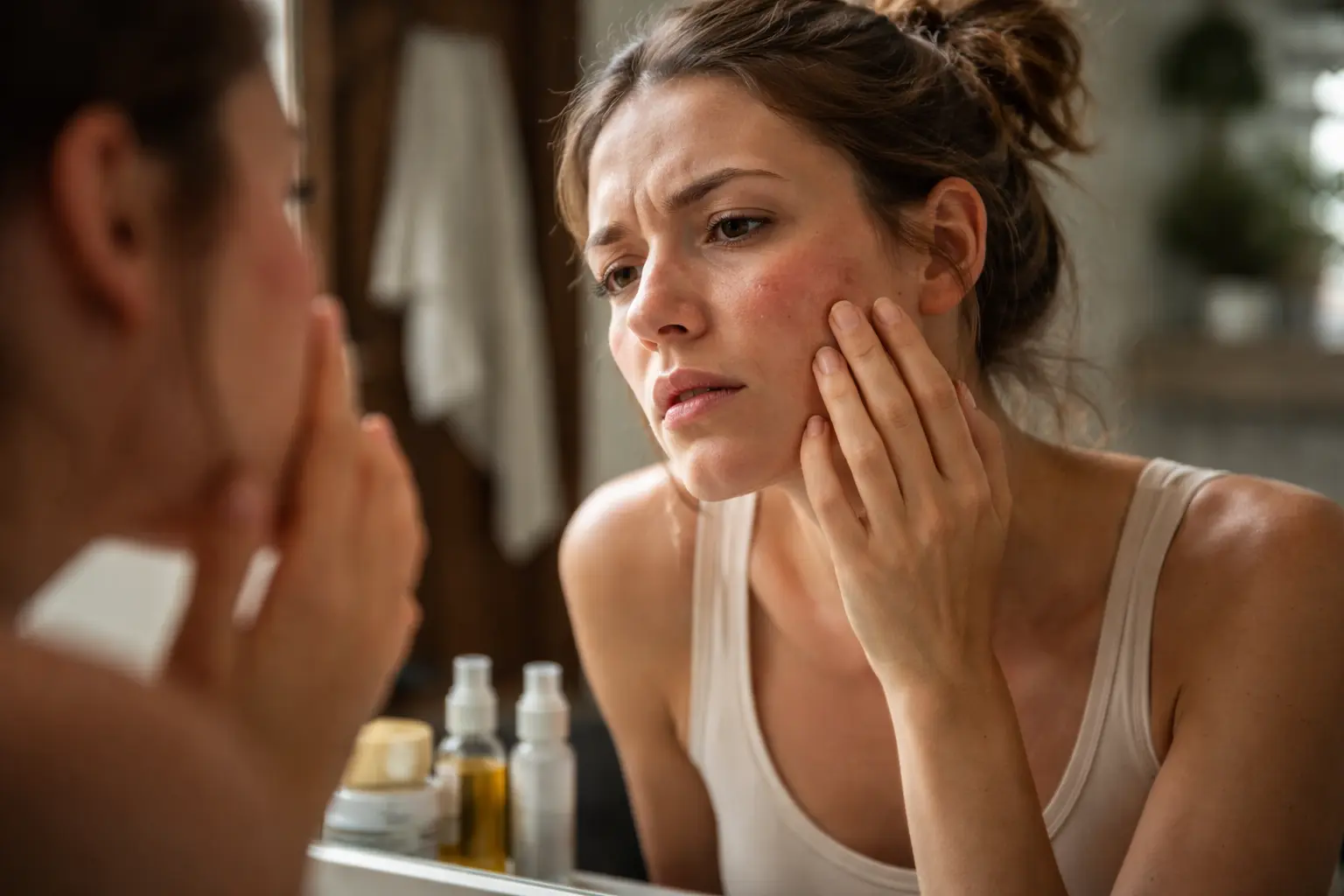
Your skin is red, tight, and peeling after starting retinol, and now you’re terrified you’ve damaged it forever – but what if everything you think you know about retinol side effects is actually backwards?
Understanding retinol: a women’s guide
Retinol, a form of Vitamin A, is a powerhouse ingredient in skincare known for its anti-aging properties, but understanding how it actually works in your skin is the first step toward using it confidently. When you apply retinol, it doesn’t immediately transform into retinoic acid; instead, your skin converts it gradually through a multi-step enzymatic process. This conversion is why many women experience an adjustment period when they first introduce retinol into their routine. Think of it like learning a new language – your skin needs time to recognize and respond to this ingredient. Improper use can lead to side effects like redness, dryness, and peeling, which is why so many women abandon retinol before their skin has had a chance to adapt. Women must understand the proper application and dosage to avoid potential issues and to give their skin the time it needs to build tolerance. Starting too strong or applying too frequently is one of the most common mistakes, yet it’s entirely preventable with the right knowledge.
Unmasking the myths: retinol side effects debunked
Contrary to popular belief, retinol does not inherently thin the skin but increases cell turnover, actually thickening it over time through a process called epidermal remodeling. Many women worry that the initial peeling and flaking means their skin barrier is being damaged, but this is simply dead skin cells being shed faster than usual. Imagine your skin as a brick wall; retinol doesn’t remove the bricks, it just speeds up the replacement cycle so new, healthier bricks appear sooner. It’s crucial for women to start with a lower concentration and gradually increase to prevent irritation, allowing your skin to build tolerance without overwhelming it. Moreover, using retinol in the daytime does not increase photosensitivity in the way many fear; it’s safe as long as SPF is applied afterward. The real concern isn’t retinol itself making you burn faster, but rather the increased cell turnover temporarily making skin slightly more sensitive to UV exposure. Understanding this distinction helps women use retinol with confidence rather than fear.
Safe practices for women using retinol
Building a safe retinol routine requires patience and a methodical approach that respects your skin’s natural adaptation timeline. Begin with a pea-sized amount of retinol to test sensitivity, applying it to clean, completely dry skin to minimize irritation. Always apply retinol at night to avoid inactivation by sunlight and to allow your skin to repair itself while you sleep, which is when skin cell turnover naturally accelerates. Introduce retinol slowly into your skincare routine, starting with 2-3 times a week for the first 2-4 weeks, then gradually increasing frequency as your skin builds tolerance. A common mistake is combining retinol with other active ingredients like vitamin C, niacinamide, or acids in the same routine, which can overwhelm your skin barrier. Instead, use retinol on alternate nights and reserve other actives for different evenings. Many women also skip moisturizer after retinol, thinking it will reduce efficacy, but hydration actually supports your skin barrier and reduces irritation. The goal isn’t to use retinol every single night immediately, but to establish a sustainable routine your skin can handle long-term.
- Start with a small amount of retinol to gauge skin tolerance and observe how your skin responds over several days.
- Apply retinol only at night to optimize its efficacy and allow your skin’s natural repair processes to work in sync with the ingredient.
- Gradually increase the frequency of retinol usage over weeks, moving from 2-3 times weekly to more frequent application as tolerance builds.
🔬 Science-backed benefits in 2 minuteschoose where to begin:
Navigating common concerns: retinol myths vs. reality
Despite misconceptions that circulate on social media and skincare forums, retinol does not make your skin sunburn faster in the traditional sense; it actually enhances skin repair post-sun exposure by accelerating cellular renewal. Women often confuse increased sensitivity during the adjustment phase with permanent photosensitivity, but these are different phenomena. During the first few weeks of retinol use, your skin is more delicate because you’re shedding dead cells faster, but this doesn’t mean retinol creates lasting sun damage vulnerability. Additionally, it’s a myth that retinol is not safe during pregnancy; it is safe in low concentrations under medical guidance, though this is an area where consulting your healthcare provider is essential. The confusion stems from high-dose retinoid medications like isotretinoin, which carry different risk profiles than topical retinol. Understanding these misconceptions is essential for women utilizing retinol safely, and it prevents unnecessary anxiety that might otherwise keep you from benefiting from this ingredient. Real risks exist, but they’re manageable with knowledge and proper technique.
The science behind retinol: skin benefits and advancements
Retinol boosts collagen production by signaling your fibroblasts to work harder, reduces wrinkles by improving skin elasticity and thickness, and improves skin texture by accelerating cell turnover and promoting more uniform skin cell maturation. The science here is solid; decades of research confirm that retinol genuinely changes skin structure at a cellular level. With advancements like encapsulated retinol for better stability and efficacy, women can benefit from this potent ingredient with minimal side effects because the retinol is protected until it reaches your skin. Stabilized retinol formulations also reduce the irritation that comes from retinol degrading in the bottle before it even touches your skin. Some newer formulations combine retinol with soothing ingredients like peptides or centella asiatica to buffer irritation while maintaining efficacy. The reality is that not all retinol products are created equal; concentration, formulation, and stabilization matter enormously. Consult a dermatologist to determine the best retinol product for your individual needs, skin type, and sensitivity level, because personalization is where real results happen.
Women’s roadmap to healthy skin with retinol
Navigating retinol safely involves understanding your skin type, starting with low concentrations, and following a consistent skincare routine that supports rather than fights against the retinol. If you have sensitive skin, you might need to start with retinol alternatives like retinaldehyde or bakuchiol before moving to true retinol. If you have oily or acne-prone skin, retinol can be particularly beneficial, but you’ll still need to introduce it gradually to avoid excessive dryness and irritation. By incorporating retinol strategically, women can enhance skin health and combat signs of aging effectively, but only if you’re willing to be patient with the process. Think of retinol as a long-term investment rather than a quick fix; the real transformation happens over months, not weeks. Keep a simple log of how your skin responds, noting any irritation, improvements, or changes in texture. This helps you identify your optimal frequency and concentration. Remember that consistency matters far more than intensity; using retinol 2-3 times weekly for six months will deliver better results than aggressive daily use that forces you to stop after two weeks due to irritation.
Retinol, a powerful anti-aging ingredient, offers numerous benefits for women’s skin when used correctly and with realistic expectations about the adjustment period. Understanding retinol safety myths and adopting best practices can help women harness its potential without experiencing adverse effects, transforming initial concerns into confidence and visible results.
Can retinol thin the skin?
No, retinol does not thin the skin but increases cell turnover, resulting in thicker skin over time. The peeling and flaking you experience initially is simply accelerated shedding of dead skin cells, not damage to your skin barrier.
Is retinol safe for pregnant women?
Retinol is safe in low concentrations during pregnancy under medical supervision to ensure the safety of both the mother and the baby. High-dose retinoid medications carry different risks, but topical retinol at appropriate concentrations is generally considered acceptable with healthcare provider approval.
Others also read:
Disclaimer: This article is for informational purposes only and is not a substitute for professional medical advice. Always consult a healthcare professional for personal guidance.
This article has been prepared and reviewed by the GlobalHealthBeacon editorial team and is based on current medical research and published scientific literature available in 2026. It provides structured, evidence-based information to support informed health decisions.
