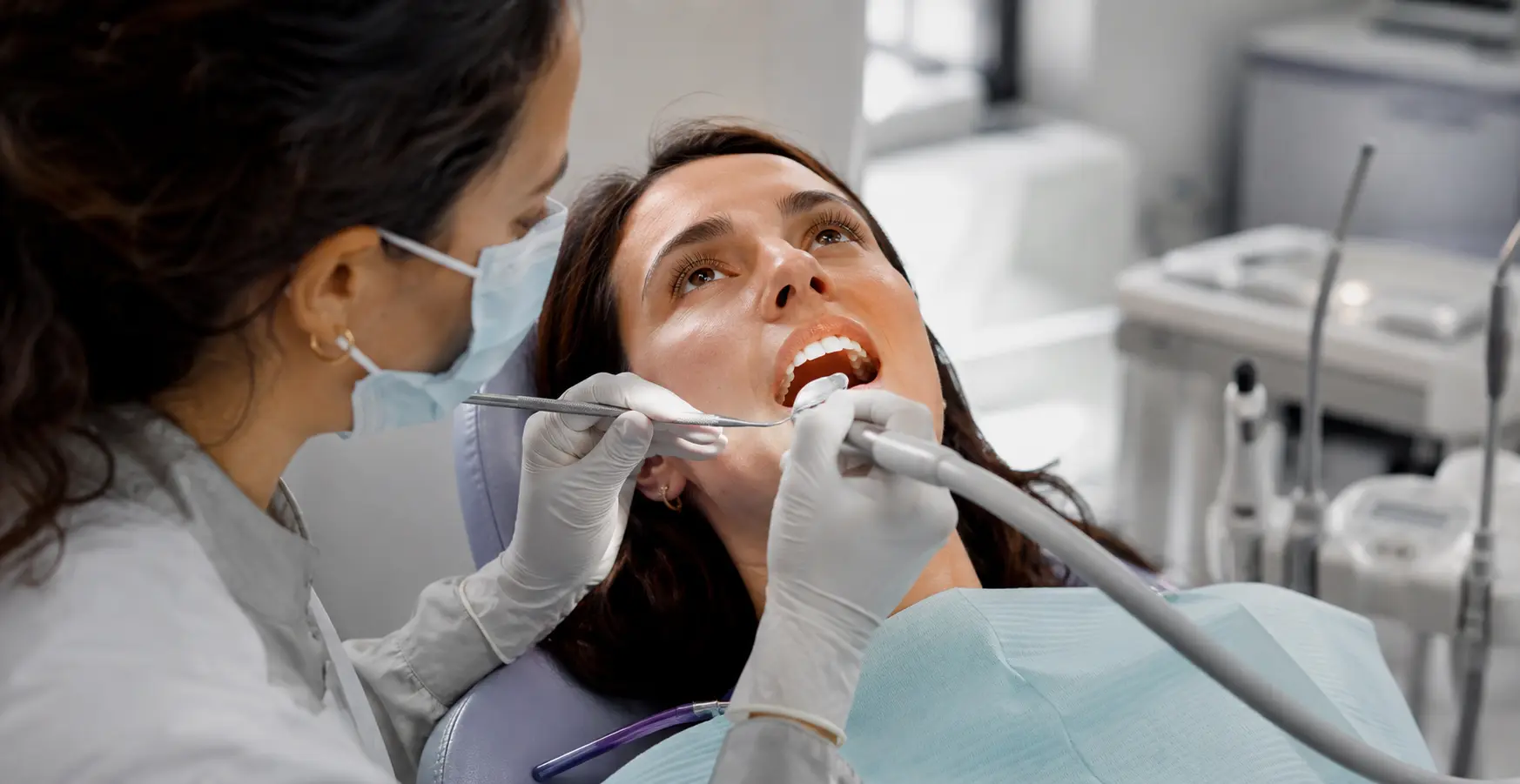
Your gums are bleeding when you brush, your dentist just mentioned scaling and root planing, and you have no idea what that means or what to expect, but you know it sounds serious and you need real answers now.
Understanding scaling and root planing
Scaling and root planing is a deep cleaning procedure that targets the areas of your teeth and gums that regular brushing simply cannot reach. Think of it like a professional deep clean for your mouth. The procedure removes plaque and tartar buildup that has accumulated below your gumline, where bacteria thrive and cause gum disease. Your dentist uses specialized instruments to gently scrape away hardened tartar from tooth surfaces and then smooths out rough spots on the root of each tooth. This smoothing is crucial because rough surfaces trap more bacteria and make it easier for plaque to reattach. The entire process works to eliminate the bacterial colonies responsible for inflammation, bleeding gums, and that persistent bad breath you might have noticed. By addressing the root cause of gum disease rather than just treating surface symptoms, scaling and root planing can prevent tooth loss, reduce gum recession, and help you maintain healthy teeth for years to come.
- The procedure involves scraping tartar from tooth surfaces and smoothing out rough spots on the root of teeth.
- It helps to eliminate bacteria that cause gum disease and reduce gum inflammation.
- Scaling and root planing can prevent tooth loss and promote healthy gums and teeth.
Prepping for your appointment
Preparation for scaling and root planing starts several days before your appointment, not just the morning of. Begin by improving your oral hygiene routine immediately. Brush your teeth twice daily with a soft-bristled toothbrush and floss at least once per day to remove surface plaque. Some dentists recommend using an antimicrobial mouthwash for a few days before your appointment to reduce bacterial load. On the day of your appointment, eat a light breakfast if your procedure is scheduled for morning, and avoid heavy meals for at least two hours before you arrive. Inform your dentist about any medications you are currently taking, especially blood thinners or antibiotics, as these can affect the procedure and healing. Wear comfortable clothing and plan to have someone drive you home if you receive sedation. Mentally prepare yourself by understanding that some discomfort is normal, and having realistic expectations will help you stay calm during the appointment.
📘 Fix your day in under 2 minuteschoose where to begin:
During the procedure
Scaling and root planing typically requires one to four visits depending on how severe your gum disease is and how many areas need treatment. Your dentist will begin by administering local anesthesia to numb the areas being treated, so you should feel pressure and vibration but not sharp pain. The scaling phase involves using an ultrasonic scaler or hand instruments to remove tartar and plaque from above and below the gumline. You may hear a buzzing sound and feel water spray as the ultrasonic tool works. The root planing phase follows, where your dentist carefully smooths the root surfaces to help your gums reattach properly. Some bleeding and oozing are completely normal during this process. The entire appointment typically lasts between 30 minutes to two hours depending on the extent of treatment needed. Your dentist may apply an antimicrobial agent or place medicated packing between your teeth and gums to support healing.
Post-treatment care
The days and weeks following scaling and root planing are critical for proper healing and preventing infection. Your gums will likely feel tender and may bleed slightly when you brush for the first week or two. Use a soft-bristled toothbrush and be gentle around treated areas. Your dentist may recommend a special antimicrobial mouthwash or saline rinse to use several times daily. Avoid hard, crunchy, sticky, or hot foods for at least one week, as these can irritate healing gums. Over-the-counter pain relievers like ibuprofen can manage discomfort and reduce inflammation. Some sensitivity to cold is normal and typically subsides within a few weeks. Avoid smoking and alcohol, as both impair healing and increase infection risk. Attend all follow-up appointments scheduled by your dentist to monitor your healing progress and ensure the treatment was successful. If you experience excessive bleeding, severe pain, or signs of infection, contact your dentist immediately.
Maintaining oral health
After scaling and root planing, your commitment to daily oral hygiene becomes even more important for long-term success. Brush your teeth at least twice daily with a soft-bristled toothbrush and fluoride toothpaste, spending at least two minutes on thorough cleaning. Floss daily, working gently between teeth and below the gumline where bacteria hide. Consider using an electric toothbrush or water flosser if you find them easier to use consistently. Schedule routine dental check-ups every three to six months rather than the standard six months, as your dentist will want to monitor your gum health closely. Eat a balanced diet rich in vitamins C and D, which support gum health and healing. Reduce sugar intake, as it feeds harmful bacteria in your mouth. Avoid tobacco products entirely, as smoking significantly increases your risk of gum disease recurrence. Stay hydrated and manage stress, both of which support your immune system and overall oral health.
Scaling and root planing is a vital procedure that addresses gum disease at its source. Understanding what to expect, preparing properly beforehand, and committing to excellent post-treatment care and long-term oral hygiene are the keys to achieving optimal results and protecting your teeth for the future.
Is scaling and root planing painful?
During the procedure, your dentist will administer local anesthesia to minimize discomfort. Some post-treatment sensitivity and bleeding are normal and can be managed with pain relievers.
How often should I have scaling and root planing?
The frequency of scaling and root planing depends on the severity of your gum disease. Your dentist will recommend the appropriate timing for follow-up treatments to maintain optimal oral health.
Others also read:
Disclaimer: This article is for informational purposes only and is not a substitute for professional medical advice. Always consult a healthcare professional for personal guidance.
This guide has been prepared and reviewed by the GlobalHealthBeacon editorial team and reflects current medical research as of 2026. It provides structured, evidence-based information to support informed health decisions.
