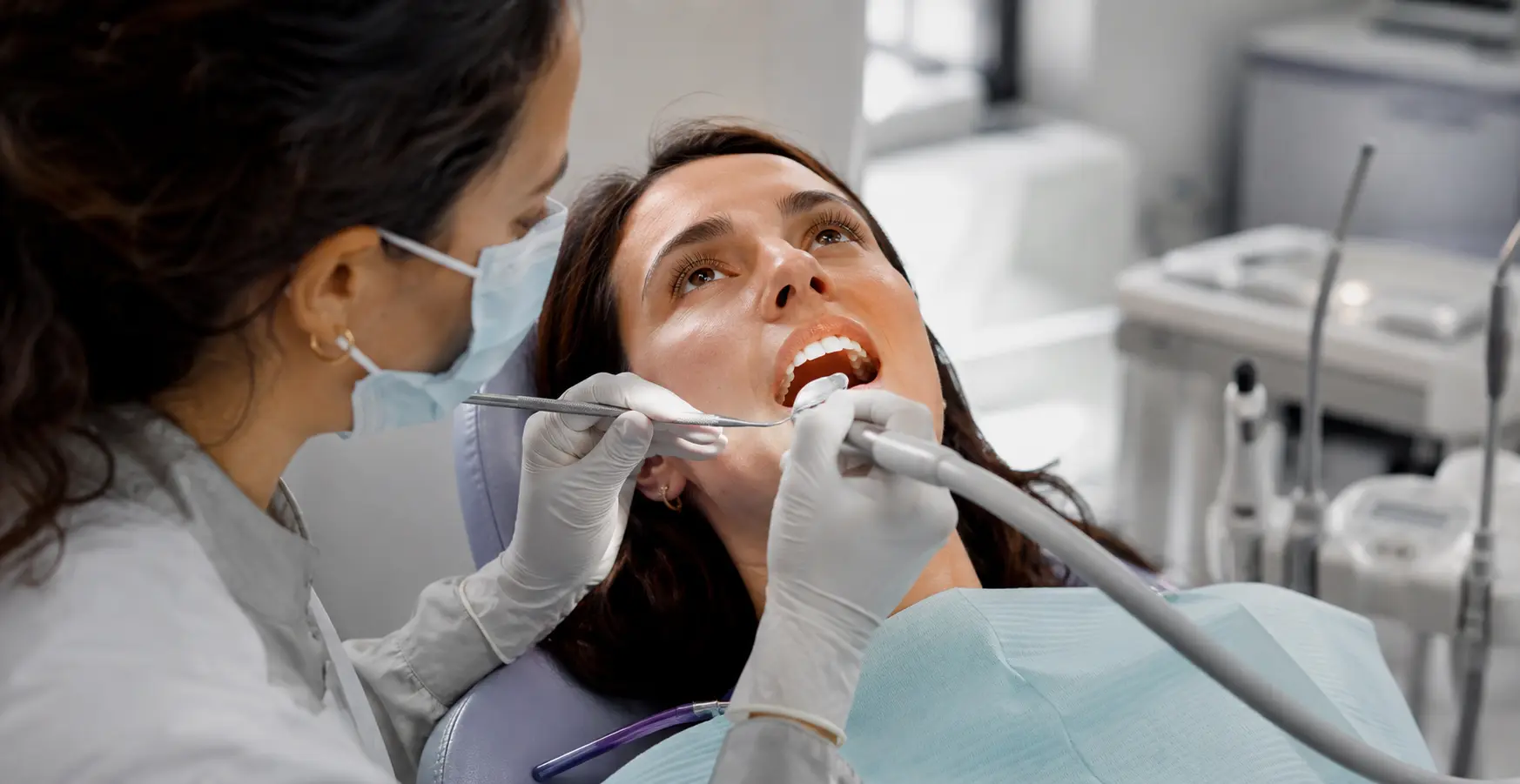
Your gums bleed when you brush, your breath feels off, and you’re worried about losing teeth, but scaling and root planing might be the answer you’ve been searching for.
The science of gum disease
Gum disease starts quietly. A woman notices her gums bleed a little when flossing, then the bleeding gets worse. What’s happening beneath the surface is a bacterial infection that’s been quietly progressing. Plaque, a sticky film of bacteria, builds up on teeth and hardens into tartar below the gumline where a regular toothbrush can’t reach. Over months or years, these bacteria trigger inflammation as your immune system fights back. The gums pull away from teeth, creating deeper pockets where more bacteria hide. Without intervention, the infection can destroy the bone supporting your teeth, eventually leading to tooth loss. This is why understanding gum disease matters so much. It’s not just about appearance or bad breath, though those are real concerns. It’s about preserving the foundation that keeps your teeth anchored in place. Scaling and root planing directly address this by removing the plaque and tartar buildup that fuels the infection, stopping the progression before irreversible damage occurs.
Benefits of scaling and root planing
When scaling and root planing is performed, several biological changes happen that benefit your oral health. The procedure removes bacterial colonies and the hardened tartar they hide beneath, which immediately reduces the source of inflammation. As bacteria are eliminated, your gums stop being constantly irritated, and the inflammation gradually subsides over the following weeks. You might notice your gums stop bleeding within days or a week after treatment. The root surfaces are smoothed during the procedure, which makes it much harder for bacteria to reattach and form new biofilms. Think of it like removing a rough surface where bacteria love to cling and replacing it with a smooth one they can’t grip as easily. Additionally, as inflammation decreases, the gum tissue can reattach to the tooth surface, essentially healing the pockets that formed. Many women report feeling relief knowing they’ve taken a concrete step to prevent tooth loss. The procedure also gives your immune system a chance to recover and maintain healthier gums long-term, provided you maintain good oral hygiene afterward.
The process of scaling and root planing
The procedure typically unfolds in a calm, controlled way. First, your dentist applies local anesthesia to the affected areas, numbing your gums and teeth so you won’t feel pain during treatment. You might feel pressure or vibration, but not sharp pain. Once you’re comfortable, the dentist uses specialized ultrasonic or hand instruments to carefully remove plaque and tartar from above and below the gumline. This is the scaling phase. The instruments vibrate or scrape away the hardened deposits that have bonded to your tooth surfaces. It’s thorough work that takes time, sometimes requiring multiple appointments depending on how extensive the buildup is. After scaling, the root planing phase begins. The dentist smooths the root surfaces of your teeth, removing any rough spots or remaining bacterial toxins. This smoothing is crucial because rough surfaces are like magnets for bacteria. By creating a smooth surface, you’re essentially removing the welcome mat bacteria use to reattach. The entire process might take one to four appointments, depending on the severity of your gum disease and how many teeth need treatment.
- Your dentist applies local anesthesia to numb the treatment area, ensuring you remain comfortable throughout the procedure.
- Using ultrasonic or hand instruments, plaque and tartar are thoroughly removed from below the gumline where regular brushing cannot reach.
- Root surfaces are carefully smoothed to eliminate rough areas and bacterial toxins that could promote future bacterial growth and reattachment.
🔬 Science-backed benefits in 2 minuteschoose where to begin:
Recovery and maintenance
After scaling and root planing, your mouth enters a healing phase that typically lasts one to two weeks. During this time, your gums might feel tender or sensitive, and you might notice slight swelling or mild discomfort. This is normal and signals that your body is responding to the treatment. Your dentist will give you specific aftercare instructions, which usually include rinsing with salt water, avoiding hard or hot foods, and being gentle when brushing. The real key to long-term success, though, is what happens after healing. You’ll need to commit to excellent oral hygiene, brushing twice daily with a soft-bristled toothbrush and flossing every day. Many women find that electric toothbrushes are gentler on healing gums while still being effective. Regular dental check-ups, typically every three to four months initially, help your dentist monitor healing and catch any signs of recurring disease early. Some women also benefit from antimicrobial rinses prescribed by their dentist during the healing period. Think of this maintenance phase as an investment in keeping your teeth for life. The procedure works, but only if you support it with consistent home care and professional follow-up.
Potential side effects and risks
Scaling and root planing is generally safe, but like any dental procedure, it comes with some considerations. Tooth sensitivity is the most common side effect, especially to cold temperatures. This happens because the procedure removes tartar that was insulating the root surface, temporarily exposing the underlying dentin. Sensitivity usually fades within a few weeks as the gums heal and cover the root surface again. Gum tenderness and mild soreness are expected and typically resolve within a week. Some women experience slight bleeding or oozing for a day or two after treatment, which is normal as tissues heal. More rarely, complications can occur. Gum recession, where the gum line pulls back further, can happen in some cases, though this is usually minimal. Infection is uncommon but possible if aftercare instructions aren’t followed carefully. Some women with certain health conditions or those taking blood thinners may need special precautions. This is why discussing your full medical history with your dentist before the procedure is essential. They can assess your individual risk factors and take appropriate measures to keep you safe.
Future outlook and considerations
Dental science continues to evolve, and new technologies are making scaling and root planing more effective and comfortable. Laser-assisted treatments are being studied and used in some practices to enhance bacterial removal and promote healing. Newer ultrasonic instruments are gentler and more precise than older versions. Researchers are also exploring how specific probiotics and antimicrobial agents might support healing after treatment. For women specifically, understanding how hormonal changes affect gum health is an emerging area of research. Hormonal fluctuations during menstrual cycles, pregnancy, and menopause can influence gum inflammation and healing response. Staying informed about these connections helps you understand your own oral health patterns better. Your dentist can discuss which advancements might benefit your specific situation and whether newer techniques are appropriate for you. The most important thing is maintaining open communication with your dental team, asking questions about your treatment options, and staying committed to the prevention habits that keep gum disease from returning.
Scaling and root planing are evidence-based treatments that address gum disease by removing bacterial buildup and smoothing root surfaces. Understanding the science behind these procedures empowers you to take control of your oral health and make informed decisions about your treatment.
Is scaling and root planing painful?
The procedure is performed under local anesthesia, which numbs the area so you won’t experience sharp pain. You might feel pressure or vibration from the instruments, but not pain. Some patients experience mild sensitivity or tenderness after treatment, which typically resolves within a few days to a week. Your dentist can discuss pain management options and may recommend sensitivity toothpaste or antimicrobial rinses to ease discomfort during healing.
How often should scaling and root planing be done?
The frequency depends on the severity of your gum disease and your individual healing response. Some women need treatment once and then maintain health with excellent home care and regular cleanings. Others with more advanced disease might need retreatment or more frequent professional cleanings, sometimes every three to four months. Your dentist will assess your gums at follow-up appointments and recommend a personalized maintenance schedule based on how well your gums are healing and whether disease signs return.
Others also read:
Disclaimer: This article is for informational purposes only and is not a substitute for professional medical advice. Always consult a healthcare professional for personal guidance.
This article has been prepared and reviewed by the GlobalHealthBeacon editorial team and is based on current medical research and published scientific literature available in 2026. It provides structured, evidence-based information to support informed health decisions.
