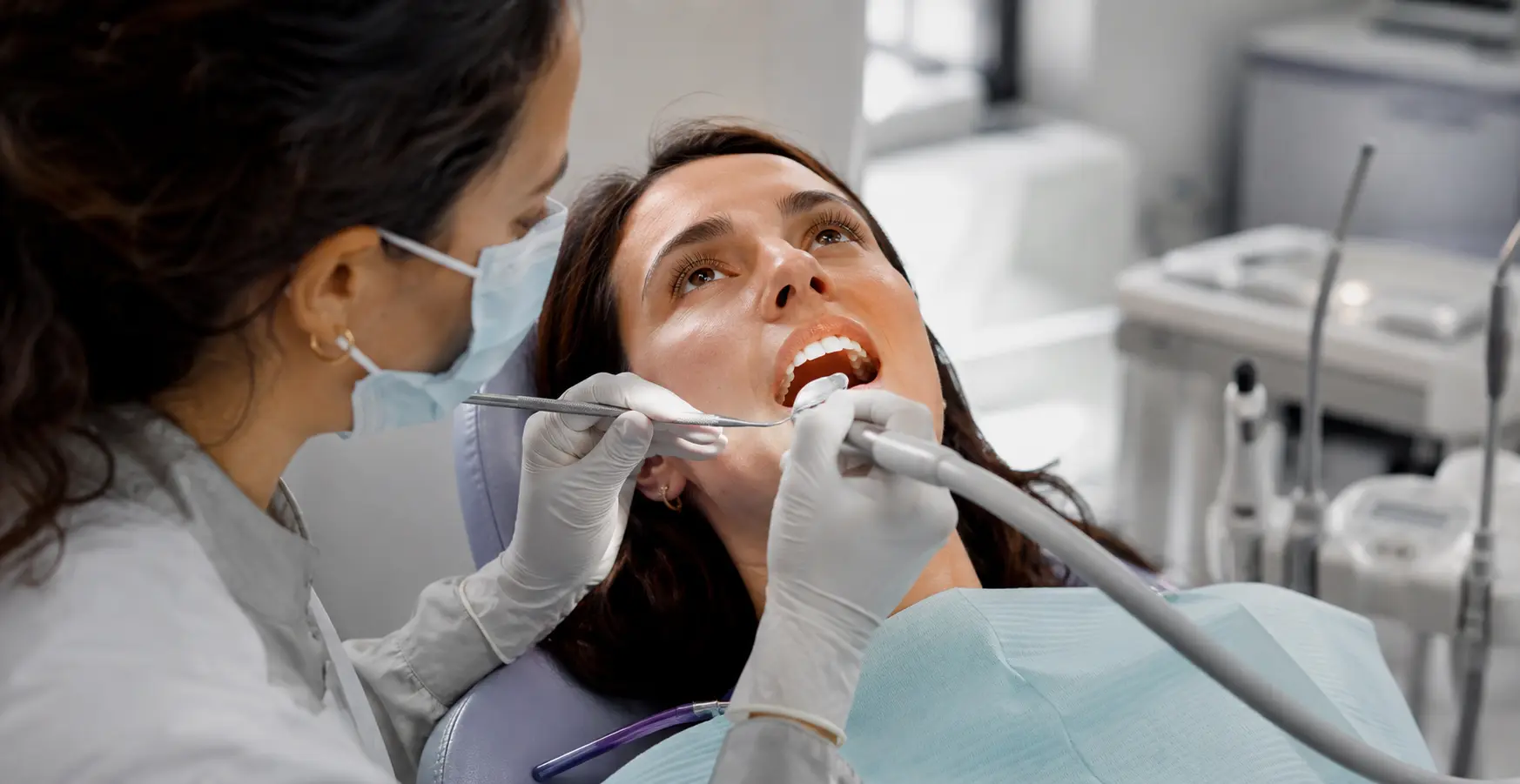
Your gums bleed when you floss, your breath feels off no matter how much you brush, and that nagging sensitivity shoots through your teeth every time you sip coffee, so scaling and root planing might be exactly what you need to finally feel like yourself again.
Understanding scaling and root planing
Scaling and root planing is a deep cleaning procedure that targets gum disease at its source, and honestly, it’s one of those treatments that sounds more intimidating than it actually is. Picture this: you’re sitting in the dental chair, and your hygienist explains that below your gum line, plaque and tartar have been accumulating, creating pockets where bacteria thrive. This procedure removes all that buildup from both the tooth surface and the root area beneath your gums. Think of it like a professional deep clean for your mouth, similar to how a carpet cleaner tackles embedded dirt that regular vacuuming misses. The goal is to stop gum disease from progressing and give your gums a fighting chance to heal. Many women find that once they understand what’s actually happening during the procedure, the anxiety melts away.
- Reduces inflammation and bleeding in the gums
- Helps to prevent the progression of gum disease
- Restores the health of your gums and teeth
The procedure unveiled
When you arrive for scaling and root planing, your dentist or hygienist will use specialized instruments, including ultrasonic scalers and hand instruments, to carefully clean below the gum line where your regular toothbrush simply cannot reach. The procedure typically takes multiple visits depending on how much work needs to be done and which areas of your mouth are affected. Some women describe the sensation as slightly uncomfortable rather than painful, especially if local anesthesia is applied first. Your provider might work on one quadrant of your mouth per visit, giving your gums time to heal between appointments. The whole process is methodical and precise, with your dental team checking their progress as they go. Many patients report feeling a sense of relief once it’s complete, almost like a weight has been lifted from their oral health journey.
💬 Ready to feel better in 2 minutes?choose where to begin:
Post-treatment care tips
After your scaling and root planing appointment, your gums need some TLC to heal properly, and your dentist will give you specific instructions to follow. For the first few days, stick to soft foods and avoid anything too hot or crunchy that might irritate your healing gums. Continue brushing gently but thoroughly, and floss with extra care around the treated areas. Many women find that using a soft-bristled toothbrush and an antimicrobial mouthwash recommended by their dentist helps speed up healing. Attend every follow-up appointment your dental provider schedules, as these visits let them monitor your progress and catch any concerns early. Some people experience slight sensitivity or minor bleeding for a week or two after treatment, which is completely normal. Staying consistent with your at-home oral hygiene and keeping those follow-up appointments is what transforms this procedure from a one-time fix into a lasting improvement.
Real women, real results
Sarah, a 42-year-old marketing manager, noticed her gums were receding and her dentist recommended scaling and root planing. After the procedure, she was amazed at how much fresher her mouth felt and how her gum sensitivity decreased within weeks. Another woman, Jennifer, had been self-conscious about her breath for years and avoided close conversations at work. Once she completed her scaling and root planing treatment and committed to better home care, her confidence soared and she stopped worrying about how her breath came across. These aren’t isolated stories. Women across different ages and backgrounds report similar transformations: less bleeding when they brush, fresher breath that lasts all day, and a renewed sense of control over their oral health. The emotional shift is often as significant as the physical one. Many say they wish they’d done it sooner.
Scaling and root planing is a vital procedure for combating gum disease and maintaining oral health. By undergoing this deep cleaning treatment, individuals can experience reduced inflammation, restored gum health, and enhanced overall well-being. Embrace the transformative power of scaling and root planing for a healthier smile.
Is scaling and root planing painful?
While some discomfort may occur during the procedure, many patients report minimal pain. Your dental provider can use local anesthesia to ensure your comfort throughout the process.
How often should scaling and root planing be done?
The frequency of scaling and root planing depends on your individual oral health needs. Your dentist will recommend a timeline based on the severity of your gum disease and your response to treatment.
Others also read:
Disclaimer: This article is for informational purposes only and is not a substitute for professional medical advice. Always consult a healthcare professional for personal guidance.
This article presents an experience-based perspective and has been reviewed by the GlobalHealthBeacon editorial team in 2026. It provides structured, evidence-based information to support informed health decisions.
