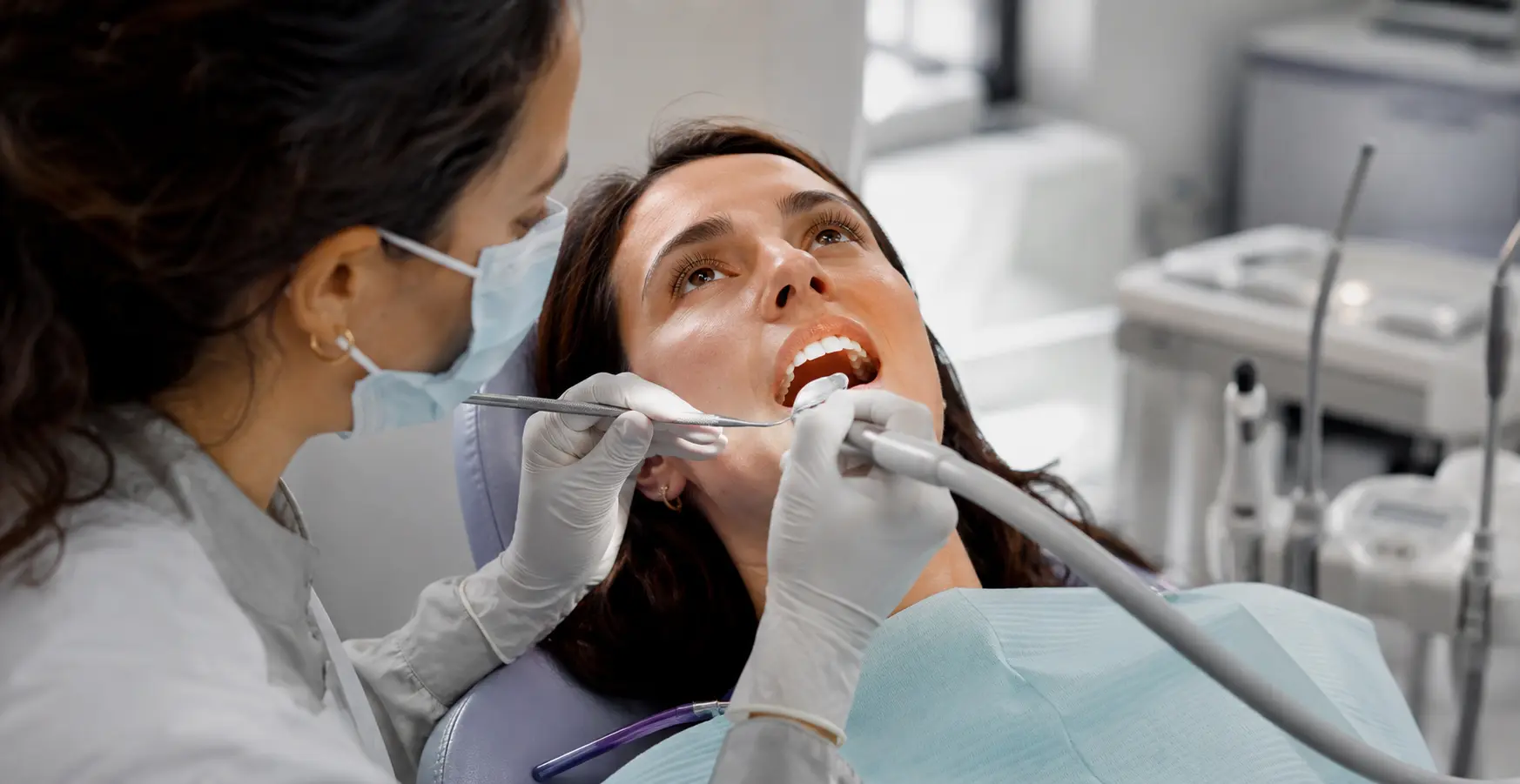
Your gums are bleeding when you brush, your breath feels off, and you’re pretty sure something beneath the surface is going wrong – that’s where scaling and root planing comes in, and it might be exactly what your mouth needs to turn things around.
What is scaling and root planing?
Scaling and root planing is a non-surgical procedure that targets the hidden battleground of gum disease. While regular brushing and flossing clean the visible surfaces of your teeth, this deep cleaning goes below the gumline where bacteria colonies thrive in pockets that your toothbrush can’t reach. The procedure removes stubborn plaque and tartar buildup that hardens over time, creating an environment where harmful bacteria flourish and gradually destroy the tissues supporting your teeth. Think of it as a professional intervention that stops the progression before it becomes irreversible. For young adults, this procedure is particularly relevant because gum disease often develops silently in your twenties and thirties, sometimes without obvious symptoms until significant damage has occurred. By addressing the root cause of gum disease through scaling and root planing, dentists help prevent tooth loss and preserve the long-term structural integrity of your smile.
The procedure in detail
Understanding what happens during scaling and root planing helps demystify the experience. During the scaling phase, your dentist uses specialized ultrasonic instruments or hand scalers to methodically remove plaque and tartar from tooth surfaces and below the gumline. These tools vibrate at frequencies that break apart calcified buildup without damaging the tooth structure itself. Root planing follows as the second phase, where the dentist smooths the root surfaces that have become rough and pitted from bacterial activity. This smoothing is crucial because it eliminates the microscopic irregularities where bacteria love to hide and reattach. The entire process typically takes one to two hours depending on the severity of buildup and the number of teeth affected. Many young adults are surprised by how thorough this cleaning feels compared to standard dental cleanings. The combination of these two techniques creates an environment where your gums can reattach to the tooth roots and begin healing, essentially resetting the bacterial landscape in your mouth.
Steps for effective scaling and root planing
The procedure follows a structured protocol designed to maximize effectiveness while minimizing discomfort. First, your dentist evaluates your gum health by measuring pocket depths using a periodontal probe, determining how far the disease has progressed and which areas need the most attention. Next, local anesthesia is administered to numb the treatment areas, ensuring you remain comfortable throughout. The actual removal of plaque and tartar comes next, with your dentist working systematically through each tooth and below the gumline using specialized instruments. This phase requires precision and patience, as the goal is complete removal without damaging the underlying tooth structure. Following removal, root surfaces are smoothed to eliminate the rough areas where bacteria colonize. Finally, follow-up appointments are scheduled at regular intervals to monitor healing, assess whether additional treatment is needed, and reinforce your home care routine. Some patients require multiple sessions if the disease is extensive, allowing each area time to heal between treatments.
- Evaluation of gum health and pocket depth
- Administration of local anesthesia
- Removal of plaque and tartar
- Smoothing of root surfaces
- Follow-up appointments for maintenance
🔬 Science-backed benefits in 2 minuteschoose where to begin:
Benefits of scaling and root planing
The benefits of scaling and root planing extend far beyond a cleaner feeling mouth. By removing the bacterial biofilm below the gumline, this procedure directly reduces inflammation that causes gum swelling, bleeding, and discomfort. For young adults, preventing tooth loss is particularly important since your natural teeth are irreplaceable assets for decades to come. The procedure also halts the progression of gum disease, which research shows is linked to systemic health issues including cardiovascular disease and diabetes complications. Many patients notice improved breath quality within weeks as the bacterial load decreases. Additionally, by addressing gum disease early through scaling and root planing, you avoid more invasive and costly treatments later, such as bone grafting or tooth extraction. The procedure essentially gives your immune system a fighting chance to regain control of the bacterial infection in your mouth. Long-term benefits include preserved bone structure around teeth, maintained tooth stability, and the ability to keep your natural smile intact throughout your life.
What to expect after the procedure
Post-procedure experiences vary among individuals, but understanding what’s normal helps you manage expectations. Mild discomfort and sensitivity are common in the days following treatment, particularly when consuming hot or cold foods and beverages. Your gums may feel tender as they begin the healing process, and slight bleeding during brushing can occur for a few days as tissues repair themselves. Some patients experience increased sensitivity to temperature because the root surfaces, previously protected by tartar, are now exposed. This sensitivity typically diminishes within two to four weeks as your body adapts. Your dentist will provide specific aftercare instructions tailored to your situation, usually emphasizing gentle brushing with a soft-bristled toothbrush and consistent flossing to support healing. Many young adults find that scheduling the procedure before a weekend allows recovery time before returning to normal activities. Avoiding hard, crunchy, or sticky foods for the first week helps prevent irritation of healing tissues. Most importantly, maintaining excellent oral hygiene during this recovery period directly influences how well your gums heal and reattach to the tooth roots.
Maintaining oral health
Scaling and root planing is a reset button, but maintaining the results depends entirely on your daily habits moving forward. Brushing twice daily with a soft-bristled toothbrush removes plaque before it hardens into tartar, which only professional cleaning can remove. Daily flossing is non-negotiable because it cleans the spaces between teeth where your toothbrush bristles cannot reach, preventing the exact conditions that led to gum disease in the first place. Regular dental check-ups every six months allow your dentist to catch early signs of disease recurrence before they progress. For young adults, establishing these habits now creates a foundation for lifelong oral health and prevents the need for repeated deep cleanings. Some people find that electric toothbrushes and water flossers make daily maintenance easier and more effective. Dietary choices matter too, as sugary foods and acidic beverages feed the bacteria that cause gum disease. Think of post-treatment maintenance as an investment in keeping your teeth for life, avoiding the complications and expenses that come with tooth loss and replacement.
Scaling and root planing is a vital procedure for treating gum disease by removing plaque and tartar below the gumline. This deep cleaning helps prevent further damage to the teeth and supporting structures, promoting long-term oral health.
Is scaling and root planing painful?
While scaling and root planing may cause some discomfort, local anesthesia is typically used to numb the area and minimize pain during the procedure.
How often should I have scaling and root planing done?
The frequency of scaling and root planing is determined by your dentist based on your oral health needs. It is usually recommended every 3-6 months for optimal gum health.
Others also read:
Disclaimer: This article is for informational purposes only and is not a substitute for professional medical advice. Always consult a healthcare professional for personal guidance.
This article has been prepared and reviewed by the GlobalHealthBeacon editorial team and is based on current medical research and published scientific literature available in 2026. It provides structured, evidence-based information to support informed health decisions.
