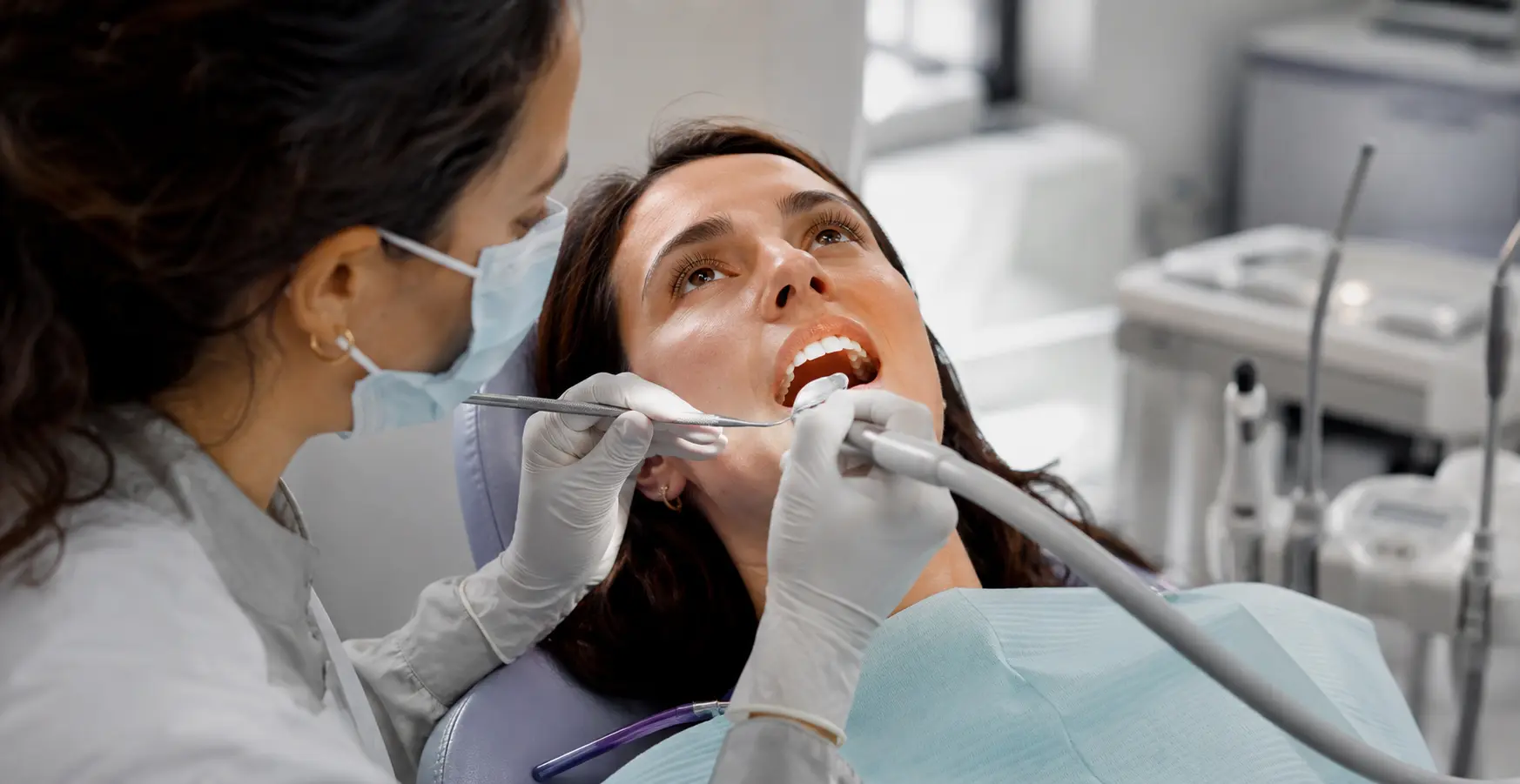
Your gums bleed when you brush, your teeth feel loose, and that nagging pain won’t quit, so you finally ask your dentist about scaling and root planing, hoping this deep cleaning procedure is the answer you’ve been desperately searching for.
Understanding scaling and root planing
Imagine your teeth as a house with a foundation that’s slowly crumbling. Scaling and root planing work like a specialized deep cleaning crew that goes below the surface to remove the buildup nobody can see. During scaling, your dentist removes plaque and tartar from above and below the gumline, while root planing smooths the tooth roots to help your gums reattach. For seniors, this procedure often becomes necessary after years of brushing and flossing haven’t been enough to prevent gum disease from taking hold. Think of it this way: regular brushing cleans the visible parts, but scaling and root planing target the hidden battle happening beneath your gums where bacteria thrive and cause inflammation.
- Reduces inflammation and bleeding in the gums
- Prevents tooth loss by eliminating harmful bacteria
- Promotes a healthy environment for gum tissue to heal
Your vulnerable gums after treatment
After your scaling and root planing appointment, your mouth might feel tender and raw, almost like you’ve had a minor injury that needs time to heal. Some seniors describe the sensation as similar to when you accidentally scrape the inside of your cheek, and everything feels sensitive for a few days. You might notice slight bleeding when you rinse or brush, and your teeth could feel more sensitive to cold foods and drinks temporarily. This is completely normal and actually a sign that your body is working hard to repair the damage caused by gum disease. Most people experience these symptoms for a few days to a week, and gentle oral care during this recovery window makes all the difference in how quickly you bounce back.
💬 Ready to feel better in 2 minutes?choose where to begin:
Maintaining results through routine care
Getting scaling and root planing done is only half the battle, and this is where many seniors struggle. You’ve invested time and money in this procedure, so protecting that investment means committing to better habits moving forward. Start by brushing twice daily with a soft-bristled toothbrush, being extra gentle around the treated areas. Floss daily, even if it feels awkward at first, because those spaces between teeth are where gum disease loves to hide. Schedule dental check-ups every three to four months instead of the standard six, since your gums need closer monitoring now. Some seniors find that an electric toothbrush or water flosser makes the routine easier on their hands and more effective at removing debris. Think of this maintenance phase as the difference between fixing your roof once and actually keeping it maintained so you never need that expensive repair again.
Seeking professional guidance for optimal oral health
Your dentist isn’t just someone you see when something hurts, they’re your partner in keeping your teeth for life. After scaling and root planing, regular conversations with your dental team help you understand what went wrong and how to prevent it from happening again. Some seniors discover they’ve been brushing too hard, which actually damages gums over time, while others learn they need to adjust their technique or try different tools. Your dentist can spot early warning signs of gum disease returning before you feel any symptoms, catching problems when they’re still simple to treat. This proactive approach, where you’re working together with your dental professional rather than just reacting to problems, often makes the difference between keeping your natural teeth into your eighties and facing more serious interventions down the road.
Scaling and root planing are essential dental procedures that help combat gum disease and preserve your oral health. Following treatment, diligent oral hygiene practices and regular check-ups are key to ensuring the long-term success of the procedure and maintaining healthy gums.
Is scaling and root planing painful?
While discomfort may occur during the procedure, your dentist will typically administer local anesthesia to minimize any sensations of pain. Post-treatment, you may experience mild soreness or tenderness, which can be managed with over-the-counter pain relievers.
How often should scaling and root planing be done?
The frequency of scaling and root planing depends on the severity of your gum disease and your individual oral health needs. Your dentist will recommend a personalized schedule based on their assessment of your condition.
Others also read:
Disclaimer: This article is for informational purposes only and is not a substitute for professional medical advice. Always consult a healthcare professional for personal guidance.
This article presents an experience-based perspective and has been reviewed by the GlobalHealthBeacon editorial team in 2026. It provides structured, evidence-based information to support informed health decisions.
