Your gums bleed when you brush, your breath feels off, and your dentist keeps mentioning deep pockets around your teeth – scaling and root planing might be the answer you’ve been looking for.
Understanding scaling and root planing
Scaling and root planing represent a targeted approach to treating periodontal disease that goes deeper than your regular cleaning. While a standard cleaning focuses on the visible surfaces of your teeth above the gumline, scaling and root planing work below the surface where most seniors experience the real problems. The procedure involves two distinct phases: scaling removes hardened tartar and plaque deposits that have calcified below the gumline, while root planing smooths the root surfaces to eliminate bacterial toxins and create an environment where gums can reattach. Think of it like this – if your teeth were a house, regular cleanings maintain the exterior, but scaling and root planing address the foundation. For many seniors, this procedure becomes necessary after years of plaque accumulation that brushing and flossing alone cannot reverse. The bacteria living in these deep pockets release toxins that irritate and inflame gum tissue, leading to the progressive bone loss characteristic of advanced gum disease.
Benefits of scaling and root planing
The documented benefits of scaling and root planing extend beyond simply having cleaner teeth. By removing the bacterial colonies and their toxic byproducts from below the gumline, this procedure directly addresses the source of gum inflammation rather than just treating the symptoms. Seniors often notice reduced bleeding when brushing within weeks of treatment, which itself signals that the inflammatory response is calming down. The procedure can halt or slow the progression of periodontal disease, potentially preserving teeth that might otherwise be lost to advanced bone deterioration. Research shows that pocket depths – the measurements dentists take to assess gum disease severity – typically reduce by several millimeters following successful scaling and root planing. Beyond oral health, reducing chronic gum inflammation has broader health implications for seniors, as periodontal disease has been linked to systemic conditions. Many patients report improved comfort when eating and a reduction in tooth sensitivity once the roots are sealed off from bacterial invasion. The psychological benefit of taking active control over a progressive condition should not be underestimated either.
Procedure overview
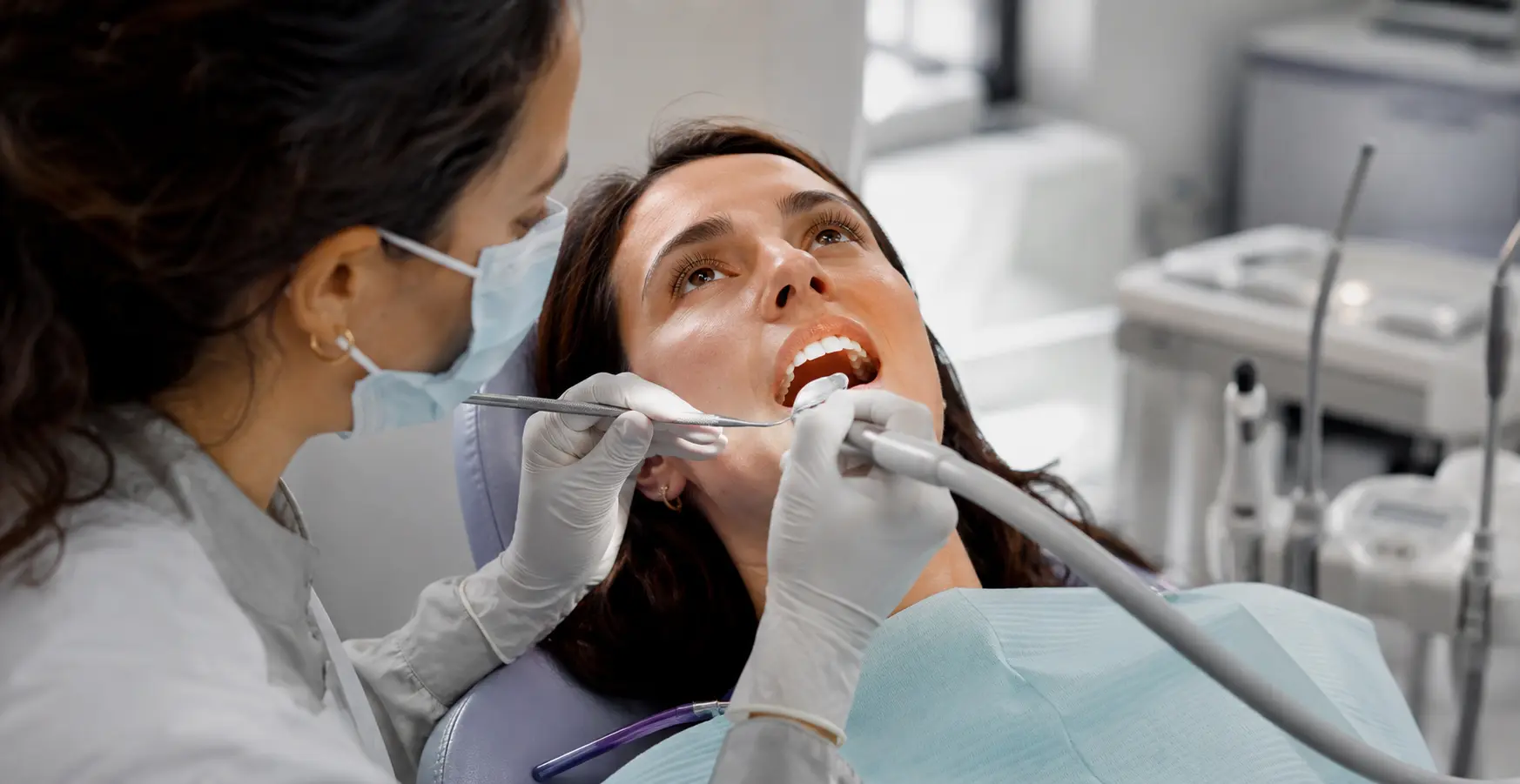
Understanding what happens during scaling and root planing helps reduce anxiety and sets realistic expectations. The procedure typically begins with local anesthesia applied to the treatment area, ensuring you remain comfortable throughout. Your dentist will use an ultrasonic scaler, which vibrates at high frequency to break apart calcified tartar deposits, along with hand instruments that allow precise removal of stubborn buildup. The scaling phase targets both the tooth surface and the root surface below the gumline, with the dentist working methodically through each tooth. Once scaling is complete, the root planing phase begins, where specialized instruments smooth the root surfaces to eliminate irregularities where bacteria can hide. This smoothing is crucial because rough root surfaces provide ideal harboring spots for new bacterial colonization. The entire process may take one or more appointments depending on the severity of your condition and how many teeth require treatment. Many dentists prefer to treat one side of the mouth at a time, allowing healing between sessions. After treatment, you might experience some sensitivity and mild discomfort, which typically resolves within a few days as tissues begin healing.
- Numbing the area to be treated with local anesthesia
- Removing plaque, tartar, and bacteria using ultrasonic and hand instruments
- Smoothing the tooth roots to prevent bacterial reattachment
🔬 Science-backed benefits in 2 minuteschoose where to begin:
Effectiveness of scaling and root planing
The scientific evidence supporting scaling and root planing is substantial, though effectiveness varies based on individual factors. Clinical studies consistently demonstrate that this procedure reduces pocket depths by an average of 1-2 millimeters, with deeper pockets showing greater improvement. The key measure of success is whether the gums reattach to the tooth surface, which happens when the inflammatory environment is eliminated and root surfaces are properly cleaned and smoothed. For seniors with moderate periodontal disease, scaling and root planing often prevents the need for more invasive surgical interventions. However, effectiveness depends heavily on what happens after the procedure. Patients who maintain excellent oral hygiene, use antimicrobial rinses as recommended, and attend regular follow-up appointments see significantly better long-term outcomes than those who do not. Some seniors experience complete resolution of their gum disease, while others find that the procedure halts progression and prevents further bone loss. The procedure is less effective in patients with advanced bone loss or those with certain systemic conditions that compromise healing. Your individual response also depends on factors like smoking status, diabetes control, and overall immune function, which is why your dentist’s assessment of your specific situation matters greatly.
Cost considerations and insurance coverage
The financial aspect of scaling and root planing concerns many seniors on fixed incomes, making it important to understand the actual costs involved. Pricing varies considerably based on geographic location, the severity of your condition, and how many teeth require treatment. A single quadrant treatment might cost between 150 and 300 dollars, while full-mouth treatment can range from 600 to 1200 dollars or more. Most dental insurance plans classify scaling and root planing as a covered procedure, though coverage levels vary significantly between plans. Some plans cover 50 to 80 percent of the cost after you meet your deductible, while others may have annual maximums that limit total coverage. Medicare does not cover routine dental care, but some Medicare Advantage plans include dental benefits that might cover this procedure partially. Before proceeding, ask your dentist’s office to verify your specific coverage and provide a detailed cost estimate. Many dental offices offer payment plans or financing options for seniors without insurance coverage. Some community health centers and dental schools offer reduced-cost scaling and root planing for qualifying patients. Understanding your actual out-of-pocket cost upfront prevents surprises and helps you make informed decisions about your oral health care.
Aftercare and maintenance
What you do after scaling and root planing significantly influences whether the benefits persist or if the problem recurs. The first week is critical, as your gums are healing and reattaching to the tooth surface. Your dentist will provide specific instructions about oral hygiene during this healing period, which might include using a softer toothbrush, avoiding certain foods, or using prescribed antimicrobial rinses. Most seniors can resume normal brushing and flossing within a few days, but gentleness matters more than vigor during the first two weeks. Regular dental visits become even more important after scaling and root planing, typically scheduled every three to four months initially to monitor healing and prevent recurrence. These frequent visits allow your dentist to catch any signs of disease progression early and perform maintenance cleanings as needed. At home, consistent oral hygiene prevents new bacterial colonies from establishing themselves in the treated areas. Many dentists recommend electric toothbrushes for seniors, as they can be more effective at removing plaque and easier to use with arthritis or limited dexterity. Flossing or using interdental cleaners daily is essential, as these tools reach areas your toothbrush cannot access. Some seniors benefit from water flossers or other aids if traditional flossing proves difficult. Long-term success depends on viewing this as an ongoing commitment rather than a one-time fix.
Scaling and root planing represent a scientifically validated approach to treating periodontal disease in seniors, addressing the bacterial infection and inflammation that threaten tooth stability. This procedure removes calcified deposits and bacterial toxins from below the gumline, creating conditions for gum reattachment and halting disease progression. While effectiveness depends on proper technique and individual healing capacity, research consistently shows that scaling and root planing reduce pocket depths and prevent tooth loss in most patients who maintain good oral hygiene afterward. Understanding the procedure, realistic expectations about results, and the commitment required for long-term success helps seniors make informed decisions about their oral health care.
Is scaling and root planing painful?
The dentist applies local anesthesia before beginning, which numbs the treatment area thoroughly. Most patients experience pressure and vibration sensations rather than pain during the procedure. Some mild discomfort and sensitivity may occur for a few days afterward as tissues heal, but this typically resolves quickly with proper aftercare.
How often should scaling and root planing be done?
The frequency depends on your individual periodontal health status and how well you maintain oral hygiene at home. After initial treatment, many dentists recommend follow-up visits every three to four months for the first year to monitor healing. Long-term maintenance might involve periodic scaling and root planing annually or as needed, based on your dentist’s assessment of pocket depths and gum health during regular examinations.
Others also read:
Disclaimer: This article is for informational purposes only and is not a substitute for professional medical advice. Always consult a healthcare professional for personal guidance.
This article has been prepared and reviewed by the GlobalHealthBeacon editorial team and is based on current medical research and published scientific literature available in 2026. It provides structured, evidence-based information to support informed health decisions.
