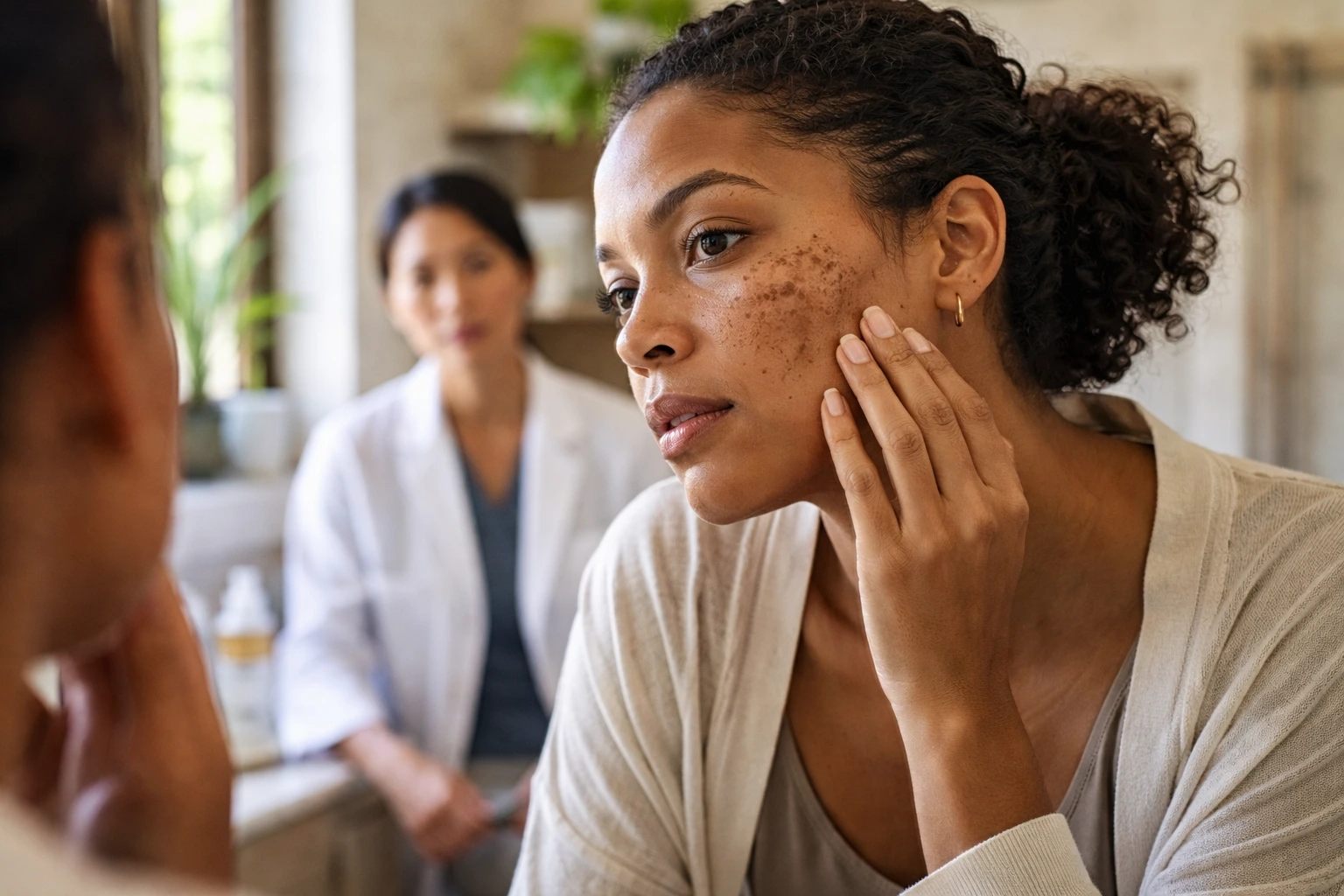
That burning, tingling sensation that suddenly appears on one side of your body, followed by a painful rash that makes you wince every time you move or touch it, is shingles rash symptoms taking hold, and you’re not alone in experiencing this unwelcome visitor.
Understanding shingles rash symptoms
Shingles rash symptoms typically begin with a distinctive pattern that many seniors recognize immediately. The initial phase often involves pain, itching, or a burning tingling sensation concentrated in one specific area of the body, usually following a band-like distribution along a nerve pathway. Within a few days, a red rash emerges in that same location, progressing to fluid-filled blisters that can be quite tender to the touch. These blisters eventually crust over and gradually heal, though the timeline varies from person to person. Beyond the visible rash, seniors frequently experience systemic symptoms including fever, headache, and general fatigue that can last for several weeks. Some individuals describe the initial pain as sharp or stabbing, while others report a constant dull ache. The location matters too, as shingles can appear on the face, chest, back, or limbs, with facial involvement sometimes causing vision complications if the virus affects the eye area.
Causes of shingles rash
Shingles emerges from the reactivation of the varicella-zoster virus, the identical pathogen responsible for chickenpox infection. After a person recovers from chickenpox, typically in childhood, the virus doesn’t disappear completely. Instead, it retreats into a dormant state within nerve tissue near the spinal cord and brain, where it can remain silent for decades. The virus lies waiting, and certain conditions can trigger its reactivation. Aging itself is a primary factor, as immune function naturally declines with advancing years, making it harder for the body to keep the dormant virus suppressed. Stress, whether emotional or physical, can lower immune defenses significantly. Illness or medical treatments that weaken immunity also increase reactivation risk. Seniors who experience trauma, surgery, or certain medications may find themselves more vulnerable. Even localized factors matter, such as injury to the area where the virus lies dormant. Research shows that roughly one in three people who had chickenpox will develop shingles at some point in their lifetime, with the risk increasing substantially after age 50.
Treatment options for shingles rash symptoms
Managing shingles rash symptoms effectively requires a multi-faceted approach tailored to individual circumstances. Antiviral medications, typically prescribed within the first few days of symptom onset, work by slowing viral replication and can meaningfully reduce both the severity and duration of the rash. Common antivirals include acyclovir, valacyclovir, and famciclovir, each with specific dosing schedules that must be followed consistently for optimal results. Pain management is equally important, as shingles pain can be quite intense. Healthcare providers may recommend over-the-counter pain relievers, topical numbing creams, or in more severe cases, prescription-strength pain medications. Maintaining proper wound care prevents secondary bacterial infections, which can complicate recovery. Keeping the affected area clean and dry, avoiding tight clothing that irritates the rash, and resisting the urge to scratch are essential practices. Topical treatments like calamine lotion or cool, moist compresses provide temporary relief and soothe inflamed skin. Rest and stress reduction support the immune system’s ability to fight the virus effectively. Some seniors find that wearing loose cotton clothing and using fragrance-free soaps helps minimize irritation during the healing process.
- Consult a healthcare provider promptly for accurate diagnosis and personalized treatment recommendations based on your medical history.
- Begin prescribed antiviral medication as soon as possible, ideally within 72 hours of symptom onset, and complete the full course as directed.
- Practice meticulous hygiene by gently cleaning the rash area with mild soap and water, then patting dry completely to prevent bacterial infection.
🔬 Science-backed benefits in 2 minuteschoose where to begin:
Preventing shingles rash
Prevention through vaccination represents the most effective strategy for reducing shingles risk in seniors. The shingles vaccine, recommended for adults over 50, significantly decreases the likelihood of developing shingles and substantially reduces the severity of symptoms if breakthrough infection occurs. Two vaccines are currently available, with newer formulations offering improved efficacy compared to older versions. Beyond vaccination, lifestyle factors play a supporting role in maintaining immune resilience. A balanced diet rich in vitamins, minerals, and antioxidants supports immune function, while regular physical activity, even moderate walking or gentle exercise, enhances overall health. Stress management techniques such as meditation, deep breathing, or engaging hobbies help keep cortisol levels in check, as chronic stress suppresses immune responses. Adequate sleep is crucial, as the immune system strengthens during rest. Seniors should also prioritize managing chronic conditions like diabetes or heart disease, as these can compromise immunity. Social connection and mental engagement also matter, as isolation and depression can negatively impact immune function. Discussing vaccination timing and options with a healthcare provider ensures personalized prevention planning.
Possible complications of shingles
While most cases of shingles resolve without lasting problems, certain complications can develop and warrant careful attention. Postherpetic neuralgia represents the most common serious complication, involving persistent nerve pain that continues long after the rash has completely healed. This pain can last for months or even years, significantly affecting quality of life and daily functioning. Vision problems may occur if shingles affects the trigeminal nerve and involves the eye area, potentially leading to corneal scarring or vision loss if untreated. Secondary bacterial infections can develop from scratching the blisters, requiring antibiotic treatment and potentially leaving scars. In rare cases, the virus can spread to the brain or spinal cord, causing serious neurological complications. Seniors with weakened immune systems face higher risks of severe complications. Facial involvement carries particular concern due to proximity to vital structures. Some individuals experience weakness or paralysis if the virus affects motor nerves. Early recognition of symptoms and prompt medical intervention significantly reduce complication risks and improve long-term outcomes.
Research and progress in shingles treatment
The scientific community continues advancing shingles management through innovative research and clinical trials. Researchers are developing next-generation vaccines with improved efficacy profiles and longer-lasting protection. Studies explore novel antiviral compounds that may work more effectively against resistant strains or provide benefits when administered later in the disease course. Investigators are examining new approaches to managing postherpetic neuralgia, including targeted nerve blocks and emerging pain management strategies. Immunological research seeks to understand why some individuals develop severe complications while others experience mild disease, potentially enabling personalized treatment approaches. Clinical trials are testing combination therapies that address multiple aspects of shingles simultaneously. Gene therapy and regenerative medicine approaches show promise in early-stage research. Ongoing epidemiological studies track vaccination effectiveness in real-world populations and identify populations at highest risk. These advances offer genuine hope for seniors, suggesting that future treatment options may be more effective, better tolerated, and capable of preventing complications that currently affect quality of life.
Shingles rash symptoms manifest as pain, itching, and characteristic blisters caused by reactivation of the varicella-zoster virus, the same pathogen responsible for chickenpox. Treatment involves antiviral medications, pain management, and meticulous wound care to prevent infection. Prevention through vaccination and healthy lifestyle choices including stress management, proper nutrition, and adequate sleep are crucial for seniors to reduce shingles risk and avoid potentially serious complications like postherpetic neuralgia.
Can shingles rash symptoms be spread to others?
Shingles rash itself is not contagious in the traditional sense. However, the fluid from the blisters contains the varicella-zoster virus and can transmit chickenpox to individuals who have never had chickenpox or received the chickenpox vaccine. Direct contact with the rash or blister fluid is necessary for transmission. Once the blisters have crusted over, the risk of transmission decreases significantly. People with active shingles should avoid close contact with vulnerable individuals, particularly infants, pregnant women, and immunocompromised persons.
Is it safe for seniors to receive the shingles vaccine?
The shingles vaccine is generally safe and highly recommended for seniors aged 50 and older to prevent shingles and reduce the risk of serious complications. Healthcare providers have administered millions of doses with favorable safety profiles. Common side effects are typically mild, including arm soreness or low-grade fever. Serious adverse events are rare. However, individual circumstances vary, so consulting with a healthcare provider about vaccination timing and appropriateness based on personal medical history, current medications, and immune status is essential for making an informed decision.
Others also read:
Disclaimer: This article is for informational purposes only and is not a substitute for professional medical advice. Always consult a healthcare professional for personal guidance.
This article has been prepared and reviewed by the GlobalHealthBeacon editorial team and is based on current medical research and published scientific literature available in 2026. It provides structured, evidence-based information to support informed health decisions.
