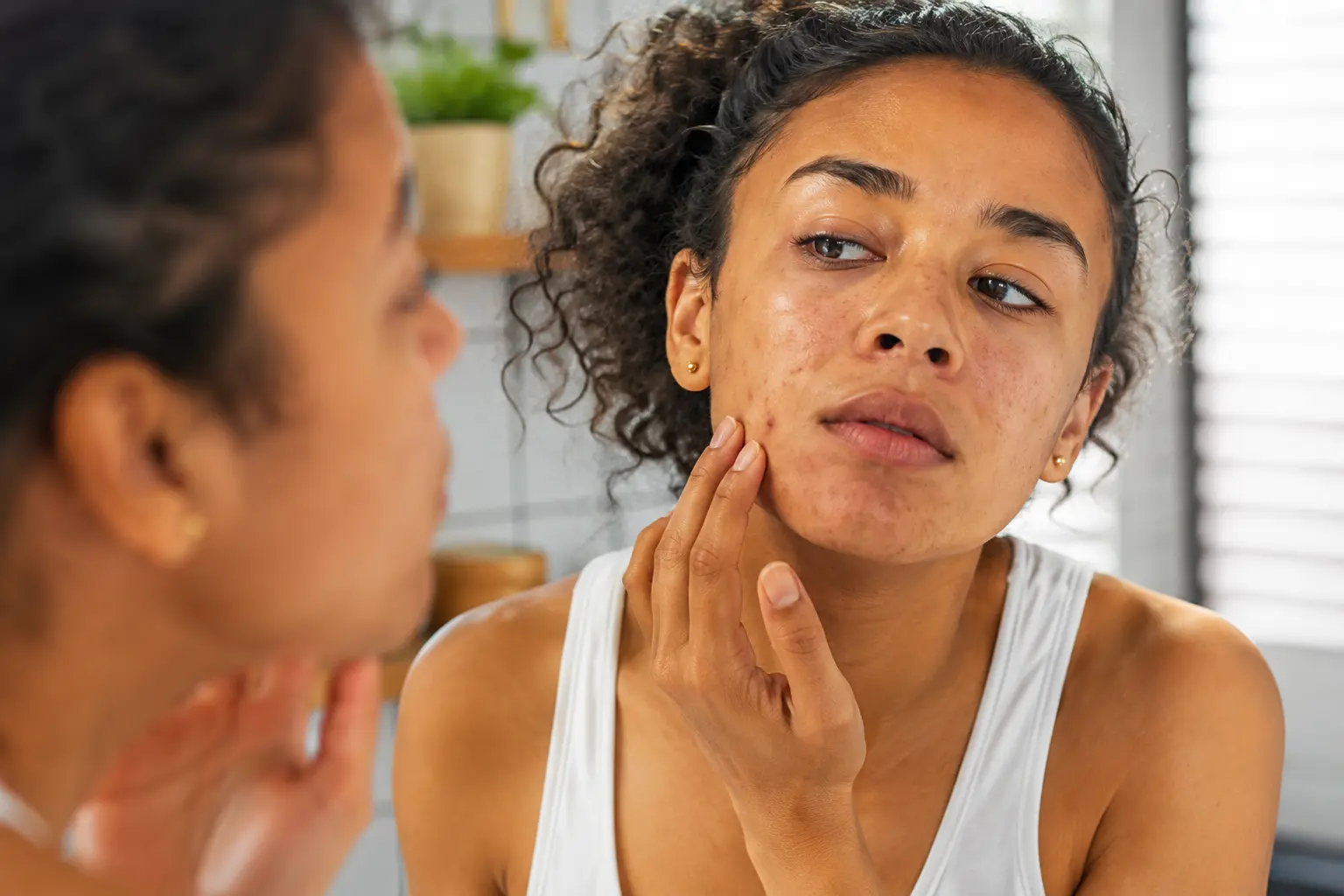
Your skin feels off, looks dull, breaks out for no reason, and nothing you buy seems to fix it because you’ve been treating the symptom instead of the root cause, and that root cause is your skin microbiome health explained in a way that finally makes sense.
Introduction to skin microbiome
Your skin is not just a barrier. It is a living ecosystem hosting trillions of microorganisms that work around the clock to keep your complexion clear, resilient, and balanced. When this ecosystem thrives, your skin glows. When it falls out of balance, you get breakouts, sensitivity, dryness, or inflammation that seems impossible to solve. Think of your skin microbiome like a garden. If you have the right balance of beneficial bacteria and fungi, weeds cannot take over. But if you strip away the good bacteria with harsh cleansers or antibiotics, harmful organisms move in and create chaos. Women often experience microbiome disruption differently than men because hormonal fluctuations, menstrual cycles, and skincare habits can shift this delicate balance. Understanding what your skin microbiome actually is, how it functions, and what disrupts it is the first step toward real, lasting skin health.
- Incorporate probiotic-rich foods like yogurt and kimchi into your diet.
- Avoid overwashing your skin to preserve the natural microbiome balance.
- Use gentle skincare products that support a healthy skin microbiome.
Supporting a healthy skin microbiome
What you eat directly shapes what lives on your skin. A woman who switches from a diet heavy in processed foods and sugar to one rich in fiber, fermented vegetables, and whole fruits often notices clearer skin within weeks. Your gut microbiome and skin microbiome are connected through what scientists call the gut-skin axis. When you feed your gut beneficial bacteria through foods like sauerkraut, miso, tempeh, and Greek yogurt, those microbes produce compounds that travel through your bloodstream and support skin health. Hydration matters too. Drinking enough water helps flush metabolic waste and keeps your skin barrier functioning properly, which protects your microbiome. Limit sugar and processed foods because they feed harmful bacteria and yeast on your skin, tipping the balance toward inflammation and breakouts. A practical approach: swap one processed snack per day for a probiotic-rich alternative. Notice the shift in your skin over 30 days. Small changes compound into visible results.
📘 Fix your day in under 2 minuteschoose where to begin:
Natural remedies for skin microbiome
Tea tree oil and coconut oil are not just trendy ingredients. They have antimicrobial properties that can help control overgrowth of harmful bacteria without destroying your beneficial microbes entirely. A woman with persistent acne might apply diluted tea tree oil to problem areas three times weekly, allowing her skin to adjust gradually. Coconut oil works differently. It contains lauric acid, which supports your skin barrier and feeds beneficial bacteria. However, coconut oil is comedogenic for some women, so patch test first. Honey is another powerful ally. Raw honey contains enzymes and compounds that gently balance your microbiome without harsh intervention. You can use it as a simple mask twice weekly. The key mistake women make is using too many remedies at once or applying them too frequently. Your microbiome needs time to rebalance. Introduce one natural remedy, give it four to six weeks, then assess results before adding another. This measured approach prevents irritation and lets you identify what actually works for your unique skin.
Protecting your skin microbiome
Your skin microbiome faces daily threats. Chlorine in tap water, harsh sulfates in cleansers, fragrance chemicals, and UV damage all disrupt the bacterial balance. A woman who showers in chlorinated water and then applies a stripping cleanser followed by a fragrance-heavy moisturizer is essentially sabotaging her skin three times daily. Start by switching to a gentle, sulfate-free cleanser that removes dirt without stripping natural oils. Consider a water filter for your shower if you live in an area with heavy chlorination. Sunscreen is essential, but choose mineral sunscreens with zinc oxide or titanium dioxide rather than chemical sunscreens, which can irritate your microbiome. Prebiotic and probiotic skincare products are worth exploring. Prebiotics feed your beneficial bacteria, while probiotics introduce helpful strains directly to your skin. Look for products with Lactobacillus or Vitreoscilla. These are not miracle workers, but they support your skin’s natural defenses. The protection strategy is simple: remove harsh products, replace them with gentle alternatives, and add supportive ingredients gradually.
Lifestyle habits for skin microbiome health
Stress literally changes your skin. When you are stressed, your body releases cortisol, which triggers inflammation and disrupts your skin microbiome balance. A woman under chronic stress often sees her skin worsen despite perfect skincare. Yoga, meditation, or even 10 minutes of deep breathing daily can lower cortisol and calm your skin from the inside out. Sleep is when your skin repairs itself and your microbiome rebalances. Aim for seven to nine hours nightly. Women who consistently get poor sleep often struggle with acne and sensitivity because their skin barrier weakens and their microbiome becomes vulnerable to imbalance. Exercise improves blood circulation, delivering oxygen and nutrients to your skin and supporting microbiome health. But wash your face gently after sweating to remove salt without disrupting your barrier. The lifestyle angle is often overlooked, yet it is foundational. You cannot out-skincare a lifestyle that includes chronic stress, poor sleep, and sedentary habits. These three elements, stress management, sleep, and movement, form the invisible foundation that makes all your other skincare efforts actually work.
Your skin microbiome is not a trend. It is the biological reality that determines whether your skin thrives or struggles. By eating fermented foods and fiber, using gentle products, applying natural remedies strategically, protecting your skin from harsh chemicals, and supporting your body through stress management and sleep, you give your microbiome the conditions it needs to flourish. Results take time, usually four to eight weeks, but when your microbiome rebalances, your skin transforms in ways that expensive serums alone never could. Start with one change this week. Build from there.
How can diet affect the skin microbiome?
Diet shapes your gut microbiome, which communicates with your skin microbiome through the gut-skin axis. Fermented foods like yogurt, kimchi, and miso introduce beneficial bacteria. Fiber feeds these bacteria, helping them thrive. Sugar and processed foods feed harmful bacteria and yeast, tipping the balance toward inflammation and breakouts. A woman who shifts to a whole-foods-based diet typically sees clearer skin within three to six weeks because her microbiome is finally getting the nutrients it needs to function optimally.
Are probiotic skincare products beneficial for the skin microbiome?
Probiotic skincare products can support your skin microbiome by introducing beneficial bacterial strains directly to your skin. Look for products containing Lactobacillus or Vitreoscilla. However, they work best as part of a complete strategy that includes gentle cleansing, a healthy diet, and stress management. Results vary based on individual skin type, existing microbiome balance, and overall lifestyle. Think of them as a helpful tool, not a standalone solution.
Others also read:
Disclaimer: This article is for informational purposes only and is not a substitute for professional medical advice. Always consult a healthcare professional for personal guidance.
This guide has been prepared and reviewed by the GlobalHealthBeacon editorial team and reflects current medical research as of 2026. It provides structured, evidence-based information to support informed health decisions.
