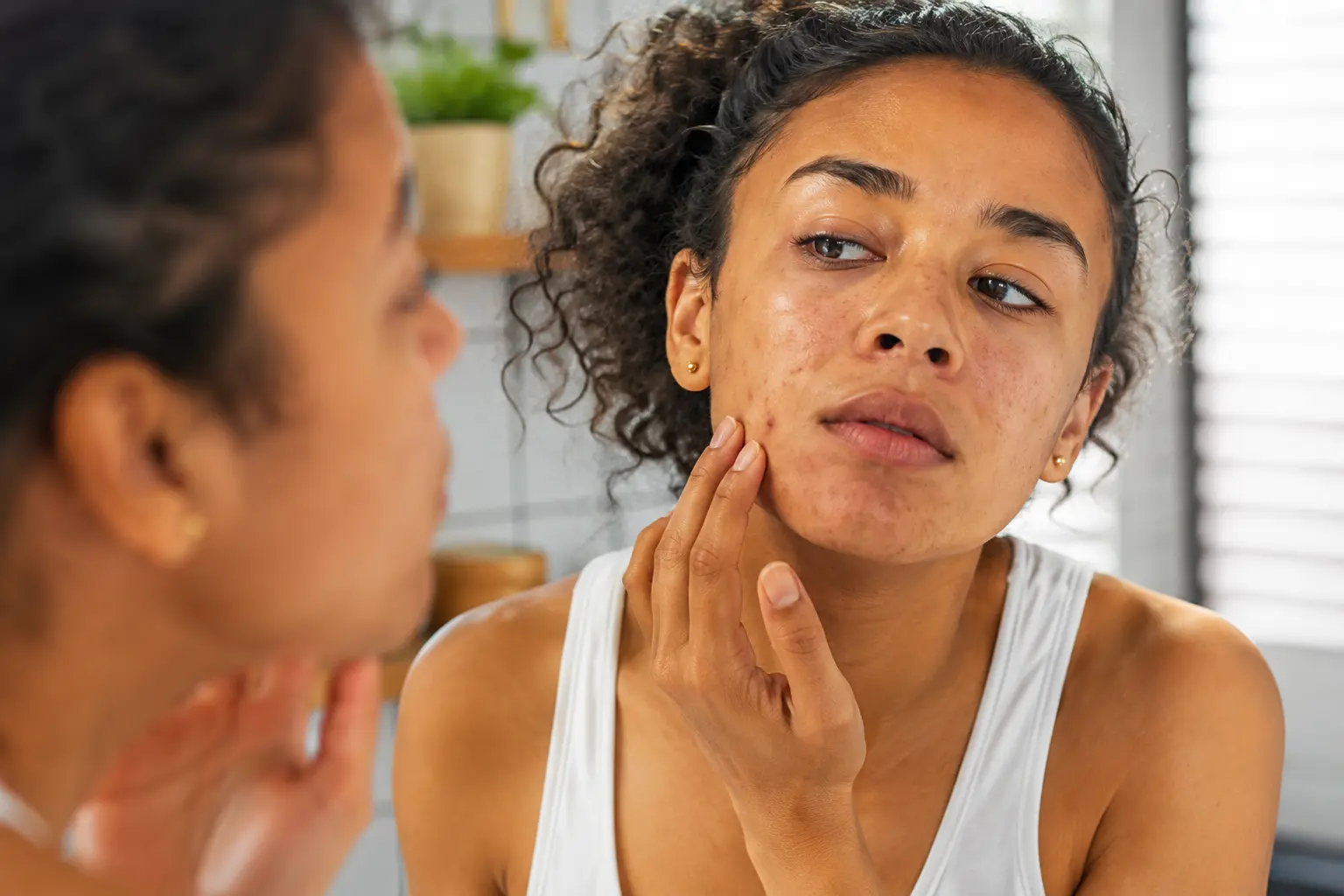
Your skin keeps breaking out, feels tight and reactive, and nothing seems to work, so let’s talk about skin microbiome health explained and why the real problem might be hiding in your skincare routine itself.
Understanding your skin microbiome
Your skin microbiome is essentially a living ecosystem made up of bacteria, fungi, and viruses that coexist on your skin’s surface. Think of it like a tiny city with different neighborhoods, each with its own role to play. These microorganisms aren’t invaders you need to fight. Instead, they’re residents that protect you. When your microbiome is balanced, these good bacteria create a protective barrier that keeps harmful pathogens out and maintains your skin’s pH level. Imagine your skin as a fortress: the microbiome is the wall. When that wall is strong and diverse, your skin stays clear, calm, and resilient. But when the balance gets disrupted, things fall apart quickly. You might notice increased breakouts, sensitivity, dryness, or that persistent redness that won’t go away no matter what you try. The reality is that many young adults unknowingly damage their microbiome through over-cleansing, using products with harsh chemicals, or constantly switching routines chasing quick fixes.
- The skin microbiome protects against harmful pathogens and maintains your skin’s natural defense system.
- Imbalances in the skin microbiome can lead to acne, eczema, rosacea, and other chronic skin conditions.
- Healthy lifestyle habits like balanced diet, proper hydration, and gentle skincare can support a thriving skin microbiome.
Key factors influencing your skin microbiome
Several forces shape your skin microbiome every single day, and most of them are within your control. Your diet is a major player. When you eat processed foods high in sugar and low in fiber, you’re essentially starving the good bacteria on your skin. Conversely, foods rich in probiotics, omega-3 fatty acids, and antioxidants feed your microbiome and help it thrive. Your hygiene practices matter too, but here’s the catch: more isn’t better. Washing your face multiple times daily with hot water and stripping cleansers actually kills beneficial bacteria and damages your skin barrier. Environmental factors like pollution, humidity, and sun exposure also influence which microorganisms flourish on your skin. Then there’s stress and sleep, which affect your skin’s ability to repair itself and maintain microbial balance. Genetics play a role too, but don’t use that as an excuse. Even if you’re genetically predisposed to sensitive skin, understanding these factors gives you real leverage to improve things. A 22-year-old with acne might discover their breakouts stem from skipping meals and stress rather than their genes.
📘 Fix your day in under 2 minuteschoose where to begin:
Practical steps to support your skin microbiome
Supporting your skin microbiome doesn’t require expensive supplements or complicated routines. Start by simplifying your skincare. Use a gentle, non-stripping cleanser once or twice daily, preferably with lukewarm water. Add a hydrating moisturizer that locks in water without clogging pores. This alone can shift your skin dramatically within two to three weeks. Next, audit your diet. Aim for at least 25 to 30 grams of fiber daily from vegetables, whole grains, and legumes. Include fermented foods like yogurt, kimchi, or kombucha a few times per week. Drink at least eight glasses of water daily. Your skin needs hydration from the inside out. Then address stress and sleep. Aim for seven to nine hours nightly and find a stress-management practice that works for you, whether that’s walking, meditation, or journaling. Avoid touching your face throughout the day, as your hands transfer bacteria and disrupt the microbiome. Finally, be patient. Skin changes take time. Most people see noticeable improvements within four to eight weeks of consistent, gentle care.
Choosing the right skincare products
Product selection is where many young adults go wrong. The skincare industry thrives on making you believe you need ten steps and multiple actives. You don’t. Look for products labeled as gentle, pH-balanced, and free from sulfates, parabens, and artificial fragrances. These ingredients strip your skin and disrupt your microbiome. Check ingredient lists for things like ceramides, hyaluronic acid, niacinamide, and centella asiatica, which support barrier function and microbiome health. Avoid products with high concentrations of acids, retinoids, or vitamin C if your skin is already compromised. Once you find products that work, stick with them for at least four weeks before judging results. Your skin needs time to adjust and rebalance. If you’re currently using multiple actives or strong treatments, consider scaling back to basics first. A simple routine with a gentle cleanser, moisturizer, and sunscreen often outperforms a complex routine that damages your barrier. Read reviews from people with similar skin types, not just influencers with perfect lighting.
Seeking professional guidance
If you’ve given yourself four to eight weeks of consistent, gentle care and your skin still isn’t improving, it’s time to see a dermatologist. They can identify whether you’re dealing with a microbiome imbalance, a skin condition like rosacea or eczema, or something else entirely. A dermatologist can also run tests to check for bacterial overgrowth or fungal issues that require targeted treatment. Don’t wait years hoping things improve on their own. Young adults often delay professional help because they think skin issues are normal or temporary. They’re not. A dermatologist visit costs far less than years of trial-and-error with products that don’t work. They might recommend a prescription-strength probiotic, a specific cleanser, or temporary use of a targeted treatment while you rebuild your microbiome. They can also rule out underlying health issues like hormonal imbalances or food sensitivities that affect skin. Think of professional guidance as an investment in understanding your unique skin, not as a last resort.
Your skin microbiome is the foundation of healthy skin, and supporting it requires consistency, patience, and simplicity. By understanding how diet, stress, sleep, and skincare choices affect your microbiome, you gain real control over your skin’s health. Start with the basics: gentle cleansing, hydration, a nutrient-rich diet, and adequate sleep. Choose products that support your barrier rather than strip it. Give yourself time to see results. If you’re not improving after two months of genuine effort, seek professional guidance. The goal isn’t perfect skin; it’s resilient, balanced skin that can handle life without constant drama.
How does the skin microbiome contribute to skin health?
The skin microbiome creates a protective barrier against harmful pathogens, maintains your skin’s pH balance, and supports your skin’s natural immune function. When your microbiome is diverse and balanced, your skin is more resilient, clearer, and less prone to sensitivity and breakouts.
Can diet affect the skin microbiome?
Yes, diet directly shapes your skin microbiome. Foods high in fiber, probiotics, and omega-3 fatty acids feed beneficial bacteria and promote diversity. Conversely, a diet high in processed foods and sugar starves good bacteria and promotes inflammation, which shows up as breakouts and sensitivity.
Others also read:
Disclaimer: This article is for informational purposes only and is not a substitute for professional medical advice. Always consult a healthcare professional for personal guidance.
This guide has been prepared and reviewed by the GlobalHealthBeacon editorial team and reflects current medical research as of 2026. It provides structured, evidence-based information to support informed health decisions.
