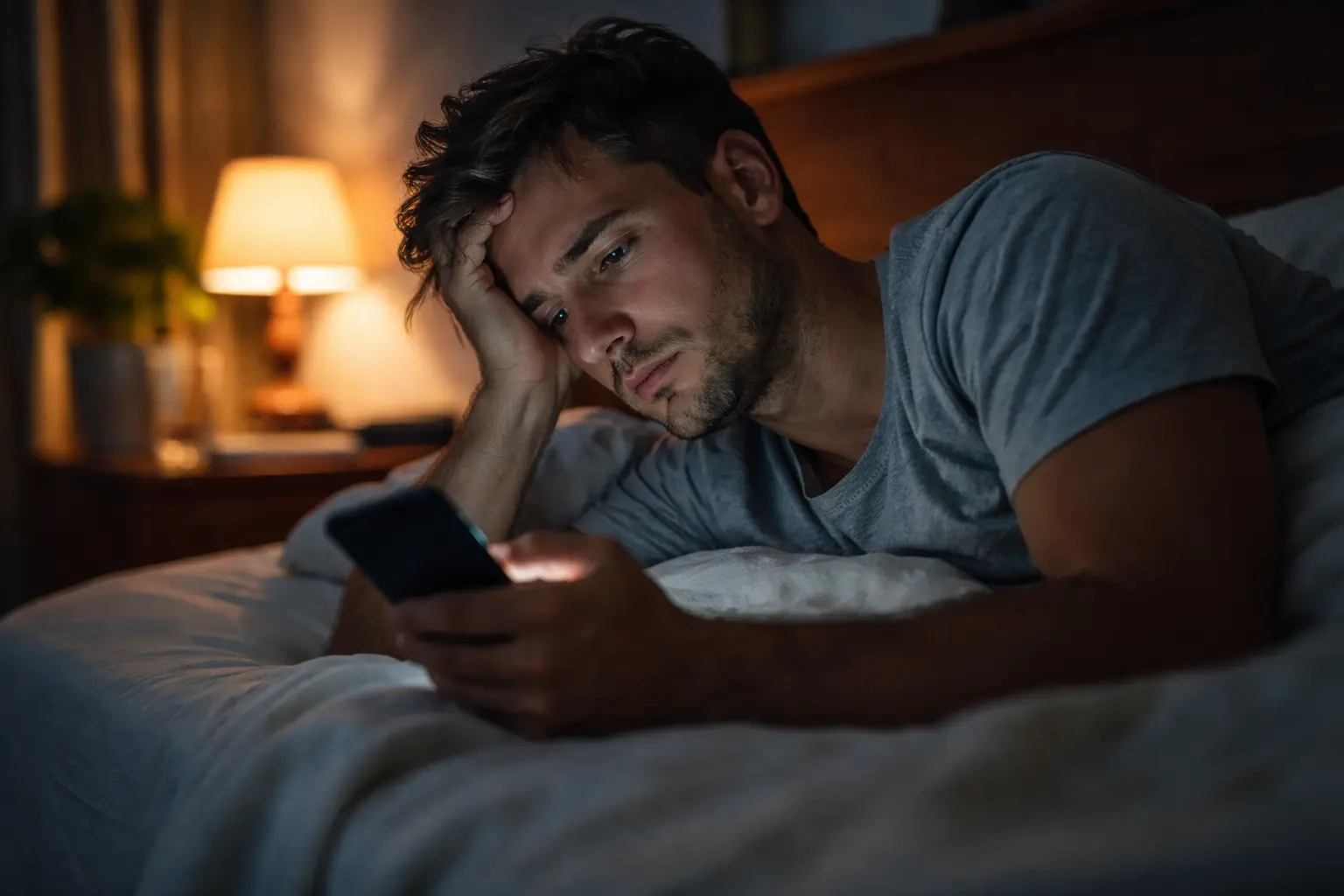
You wake up gasping for air, your throat feels tight, and you have no idea why you are exhausted after eight hours of sleep, and that is exactly what sleep apnea symptoms feel like for millions of women who are finally getting answers.
Understanding sleep apnea symptoms
Sleep apnea symptoms in women often look different than what you might expect. Beyond the obvious loud snoring, you might experience morning headaches that feel like a vice grip around your skull, unexplained mood swings that make you feel unlike yourself, or a bone-deep daytime drowsiness that no amount of coffee seems to fix. Some women describe it as feeling foggy throughout the day, struggling to concentrate at work or remember conversations they just had. Others notice they wake up multiple times during the night without understanding why, or their bed partner mentions they stop breathing briefly during sleep. The key is recognizing that these symptoms cluster together. If you are waking up unrefreshed despite sleeping seven to nine hours, or if you find yourself dozing off during meetings or while driving, these are signals worth taking seriously. Seeking professional diagnosis through your healthcare provider is the crucial first step, as sleep apnea requires confirmation through proper testing and evaluation.
- Keep a sleep diary for one to two weeks, noting when you feel most tired, any gasping or choking sensations, and how rested you feel upon waking.
- Schedule an appointment with your primary care doctor or a sleep specialist and bring your documented symptoms and observations.
- Request a sleep study, which can be conducted at a sleep clinic or increasingly through home-based testing devices that monitor your breathing patterns overnight.
Sleep positioning for better breathing
Your sleeping position matters more than you might realize when it comes to managing sleep apnea. When you sleep on your back, gravity naturally pulls your tongue and soft palate backward into your throat, narrowing your airway and triggering those breathing interruptions. Switching to side sleeping, particularly your left side, can be transformative. This position keeps your airway more open and allows air to flow freely through your throat. Many women find that sleeping on their left side feels awkward at first, so start by using a body pillow to support yourself and prevent rolling onto your back during the night. You can also try placing a pillow between your knees for comfort and spinal alignment. Some people benefit from positional therapy devices, small wearable tools that gently vibrate if you shift onto your back, retraining your sleep habits over time. The beauty of this solution is that it costs nothing beyond a good pillow and requires no equipment or medication, making it an accessible first step for many women.
📘 Fix your day in under 2 minuteschoose where to begin:
Weight management and exercise
Excess weight, particularly around the neck and throat area, increases the likelihood of airway collapse during sleep. When you carry extra weight, it can narrow your airway and make breathing interruptions more frequent and severe. This does not mean you need to achieve a specific number on the scale, but rather focus on gradual, sustainable weight loss through a combination of balanced nutrition and regular movement. Walking for thirty minutes most days of the week, swimming, or cycling can all help reduce sleep apnea severity without requiring intense gym sessions. Strength training two to three times weekly also helps, as building muscle increases your metabolic rate and supports better breathing mechanics. Many women find that even a five to ten percent reduction in body weight noticeably improves their sleep apnea symptoms. The key is consistency over perfection. Small dietary changes like reducing sugary drinks, adding more vegetables to meals, and eating protein with each meal can support gradual weight loss without feeling restrictive. As your weight decreases and your fitness improves, you will likely notice better sleep quality, more daytime energy, and fewer breathing interruptions.
CPAP therapy: a common treatment option
Continuous Positive Airway Pressure therapy is often the gold standard treatment for moderate to severe sleep apnea, and while the concept sounds intimidating, many women find it genuinely life-changing once they adjust. The CPAP machine is a small bedside device that delivers a gentle, steady stream of pressurized air through a mask you wear while sleeping. This air pressure acts like an invisible splint, keeping your airway open and preventing the collapses that cause breathing interruptions. The first few nights with CPAP can feel strange. Your mask might feel uncomfortable, the air pressure unusual, or the sound bothersome. This is completely normal. Most machines now offer ramp features that start at lower pressure and gradually increase, easing you into the therapy. Mask styles vary widely, from nose pillows to full face masks, so if your first choice does not work, ask your sleep specialist about alternatives. Consistency is essential for CPAP to work effectively. Using it nightly, even if just for six hours, produces measurable improvements in sleep quality and daytime alertness within one to two weeks. Many women report feeling like themselves again after years of undiagnosed fatigue.
Creating a relaxing sleep environment
Your bedroom environment directly influences how well you sleep and how severe your apnea episodes become. Start by ensuring your room is cool, ideally between sixty and sixty-seven degrees Fahrenheit, as cooler temperatures promote deeper sleep. Darkness is equally important, so invest in blackout curtains or an eye mask to block out light that can fragment your sleep. White noise machines or fans can mask disruptive household sounds that jolt you awake. Beyond the physical space, your bedtime routine matters significantly. Aim to put away screens at least one hour before bed, as blue light suppresses melatonin production and delays sleep onset. Instead, try reading, gentle stretching, or listening to a calming podcast. Avoid alcohol and heavy meals within three hours of bedtime, as both can relax your throat muscles and worsen apnea episodes. Some women find that practicing five to ten minutes of deep breathing or progressive muscle relaxation before sleep helps them enter rest more calmly. If you share your bed with a partner, consider a larger mattress if space is tight, as sleeping too close can increase overheating and sleep disruption. These environmental and behavioral adjustments work synergistically with other treatments to improve your overall sleep quality.
Managing sleep apnea as a woman involves understanding your unique symptoms, adjusting your sleep position to favor side sleeping, pursuing sustainable weight management through diet and exercise, considering CPAP therapy if recommended by your doctor, and optimizing your sleep environment for rest. These solutions work best when combined and tailored to your specific situation.
Can sleep apnea symptoms improve with lifestyle changes alone?
Lifestyle changes like weight loss, side sleeping, and improved sleep hygiene can significantly reduce mild to moderate sleep apnea symptoms. However, severe sleep apnea typically requires medical intervention such as CPAP therapy or other devices. Your sleep specialist can assess your specific situation and recommend the appropriate combination of treatments.
Is sleep apnea more common in men than women?
Historically, sleep apnea was diagnosed more frequently in men, but recent research shows women are increasingly diagnosed with the condition. Women often experience different symptoms and may be underdiagnosed because their presentation differs from the typical male pattern. Gender-specific approaches to diagnosis and treatment are becoming more recognized in medical practice.
Others also read:
Disclaimer: This article is for informational purposes only and is not a substitute for professional medical advice. Always consult a healthcare professional for personal guidance.
This guide has been prepared and reviewed by the GlobalHealthBeacon editorial team and reflects current medical research as of 2026. It provides structured, evidence-based information to support informed health decisions.
