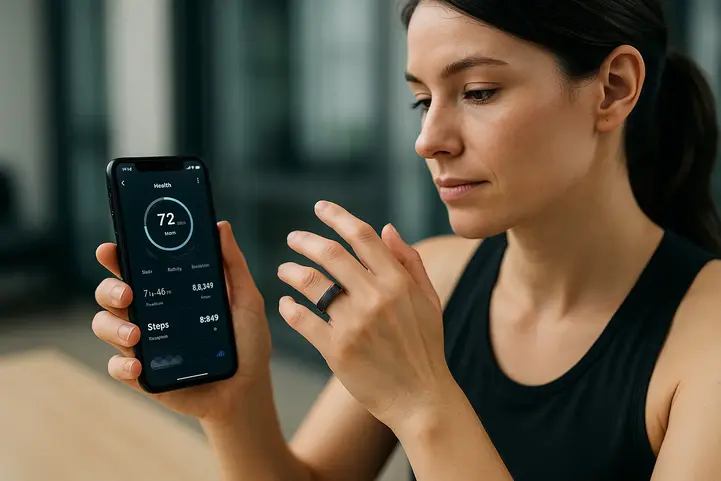
You wake up wondering if that irregular heartbeat you felt last night was real or just your imagination, and a smart ring seems like the answer to finally get some peace of mind, but then you start questioning whether smart rings ppg accuracy is actually trustworthy enough to rely on.
Understanding smart rings
Smart rings have become increasingly popular among seniors who want to take a more active role in monitoring their health. These tiny wearables use photoplethysmography, or PPG technology, to measure blood flow through your finger and translate that into useful health data. Imagine sitting at your kitchen table in the morning, glancing at your wrist, and instantly seeing your heart rate, sleep quality from last night, and how many steps you took yesterday. That convenience is real. But here’s where it gets interesting: the technology works by shining light through your skin and measuring how much bounces back. For some people, especially those with darker skin tones or certain tattoos, this process can be less reliable. The ring sits on your finger all day and night, continuously collecting data points that build a picture of your overall wellness patterns.
- Real-time monitoring of heart rate and blood oxygen levels
- Sleep tracking and analysis for better sleep quality
- Activity tracking to encourage a more active lifestyle
Pros and cons of PPG accuracy
Let’s be honest: smart rings offer genuine benefits that many seniors find valuable. You get continuous data without thinking about it, and spotting trends over weeks or months can reveal patterns your doctor might miss. One senior we spoke with noticed her heart rate spiked every afternoon around 2 PM, which led to a conversation with her cardiologist about caffeine intake. That’s powerful information. However, accuracy is where things get complicated. Your finger placement matters tremendously. Wear the ring too loose and readings drift. Wear it too tight and circulation gets restricted, affecting measurements. Motion during exercise, cold fingers in winter, and even nail polish can interfere with readings. Studies show PPG accuracy can vary by 5 to 15 percent depending on these factors. The device might tell you your heart rate is 72 when it’s actually 78. For general wellness tracking, that’s acceptable. But if you’re managing a serious heart condition, that margin of error becomes concerning.
💬 Ready to feel better in 2 minutes?choose where to begin:
Reliability in daily life
When you use a smart ring consistently over months, something interesting happens. The data becomes less about individual readings and more about your personal baseline. Your body has its own rhythm, and a smart ring learns it. One retired teacher found that her sleep quality dropped noticeably two weeks before her seasonal allergies kicked in, giving her time to prepare. That predictive insight came from watching trends, not from trusting any single night’s data perfectly. For seniors managing multiple health conditions, this trend-spotting capability can be genuinely useful. You notice when your activity level drops unexpectedly, when your resting heart rate climbs, or when sleep patterns shift. These signals prompt conversations with your healthcare team. The key is treating the ring as a conversation starter, not a diagnosis tool. It’s like keeping a health journal that never forgets a detail. But here’s the reality: if you have atrial fibrillation, diabetes, or other serious conditions, you still need regular professional monitoring and cannot rely solely on what your ring tells you.
Making informed decisions
Choosing whether a smart ring makes sense for you requires honest reflection about what you actually need. Start by asking yourself: am I looking for general wellness awareness or specific medical monitoring? If your doctor hasn’t recommended one, that’s your first signal to have a conversation with them before buying. Some seniors thrive with the data and motivation a ring provides, while others find constant notifications stressful. One 72-year-old man said the ring motivated him to walk more because he could see his daily step count climbing. His wife, the same age, felt anxious watching her heart rate numbers fluctuate and stopped wearing hers after three weeks. Both reactions are valid. If you do decide to try one, start with realistic expectations. Use it alongside traditional healthcare, not instead of it. Keep your doctor informed about what data you’re tracking. Don’t panic over individual readings that seem off. And remember: the best health tool is the one you’ll actually use consistently while maintaining a healthy skepticism about what the numbers mean.
Smart rings with PPG accuracy offer seniors a glimpse into their health, but caution is advised due to potential accuracy limitations. While they provide real-time data and convenience, it’s crucial to combine this information with professional healthcare advice for a holistic view of one’s health.
Are smart rings a substitute for medical advice?
Smart rings can provide valuable health data, but they should not replace medical consultations. It’s essential to use them as a tool for self-awareness and complement them with professional advice.
How accurate are smart rings in monitoring health data?
Smart rings offer a convenient way to track vital signs, but factors like skin tone and motion can influence the accuracy of readings. Seniors should use them as supplementary tools rather than sole sources of health information.
Others also read:
Disclaimer: This article is for informational purposes only and is not a substitute for professional medical advice. Always consult a healthcare professional for personal guidance.
This article presents an experience-based perspective and has been reviewed by the GlobalHealthBeacon editorial team in 2026. It provides structured, evidence-based information to support informed health decisions.
