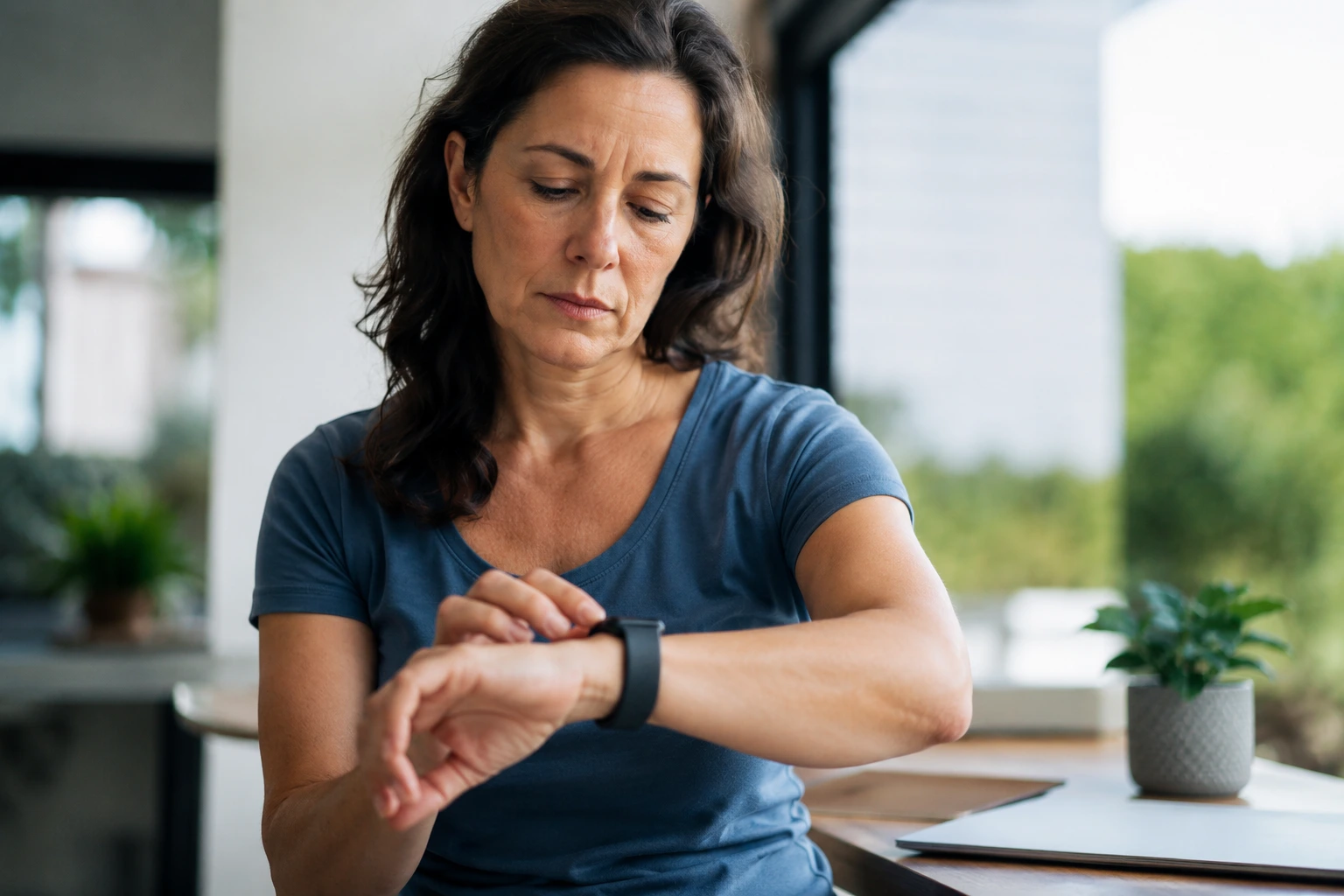
Your wrist buzzes constantly with notifications about your heart rate, step count, and sleep quality, but instead of feeling empowered, you’re drowning in smartwatch health alerts that leave you more anxious than informed.
The promise of smartwatch health alerts
When I first strapped on my smartwatch, I felt like I’d unlocked a secret superpower. Real-time heart rate data, sleep stage breakdowns, stress level notifications – it all seemed like having a personal health coach on my wrist. The promise was intoxicating: stay ahead of problems, catch warning signs early, never miss a moment to optimize. But here’s what actually happened. I started getting alerts about irregular heart rhythms during my morning coffee, notifications to stand up every hour (even when I was actively moving), and gentle reminders that my sleep was fragmented. These features sounded revolutionary in theory, but living with them revealed a more complex reality. The continuous monitoring created this underlying tension, like I was always being watched and evaluated.
- Real-time monitoring of vital signs for instant feedback
- Customizable alerts to suit your personal health goals
- Continuous health tracking without the need for manual input
Navigating the overload of information
After two weeks of smartwatch alerts, I realized I was checking my wrist more than my phone. Every notification triggered a small spike of worry. Did that irregular heartbeat mean something serious? Was my stress level too high? The device that promised to simplify my health suddenly felt like it was complicating it. I found myself spiraling into research rabbit holes at midnight, googling symptoms based on alerts that were probably just normal fluctuations. Many women I spoke with shared this experience: the constant stream of data created decision fatigue and health anxiety rather than peace of mind. We weren’t equipped to interpret these signals properly, and the ambiguity was exhausting. Some days I’d silence all notifications just to get breathing room, which defeated the entire purpose of wearing the device.
💬 Ready to feel better in 2 minutes?choose where to begin:
Impact on daily routine and well-being
Then something shifted. Instead of obsessing over every alert, I started using my smartwatch strategically. The gentle reminder to drink water became a lifeline during long work meetings. The nudge to take a walk helped me break up my afternoon slump without feeling like I was forcing myself. When my smartwatch celebrated hitting my step goal, it actually felt good – like a small win in my day. I noticed that the movement reminders helped me establish a rhythm without the guilt. Friends with young kids told me the activity alerts kept them accountable when parenting chaos made exercise feel impossible. The key was learning which alerts mattered to me and silencing the noise. Once I customized my notifications to focus on meaningful metrics rather than everything, my smartwatch became genuinely helpful. It transformed from an anxiety machine into a supportive companion that gently nudged me toward better habits without the overwhelming pressure.
The emotional connection to your health journey
What surprised me most was how emotionally invested I became in my smartwatch data. Celebrating a personal best step count felt genuinely rewarding, like the device understood my goals and was rooting for me. During a stressful period at work, seeing my stress levels spike actually validated what I was feeling – it made my experience tangible and real. The smartwatch became a witness to my health journey, recording not just numbers but moments of progress and struggle. I started sharing my achievements with friends, which created accountability and connection. One woman told me that her smartwatch alerts helped her recognize a pattern in her migraines that she’d never noticed before, giving her valuable information to discuss with her doctor. Another shared how the sleep tracking motivated her to prioritize rest during a demanding project. The emotional payoff came from feeling seen and supported, even by a machine. It wasn’t about perfection – it was about having a consistent companion that acknowledged my efforts and helped me understand my body better.
Smartwatch health alerts offer a mix of benefits, ranging from real-time monitoring to emotional support. While they can streamline your health management, it’s crucial to strike a balance between staying informed and feeling overwhelmed by the constant stream of notifications.
Can smartwatch health alerts accurately detect health issues?
Smartwatch health alerts can provide valuable insights, but they are not a substitute for professional medical advice. Always consult a healthcare provider for accurate diagnosis and treatment.
Are smartwatch health alerts suitable for all age groups?
Smartwatch health alerts can benefit individuals of all ages, but younger users may find them particularly helpful in establishing and maintaining healthy habits.
Others also read:
Disclaimer: This article is for informational purposes only and is not a substitute for professional medical advice. Always consult a healthcare professional for personal guidance.
This article presents an experience-based perspective and has been reviewed by the GlobalHealthBeacon editorial team in 2026. It provides structured, evidence-based information to support informed health decisions.
