You’re noticing fine lines creeping in, dark spots appearing after a summer weekend, and that tired look that won’t quit, and it hits you: sun damage is real and it’s happening right now, but here’s the truth about spf anti aging benefits that actually work.
The power of SPF in anti-aging
SPF, or Sun Protection Factor, is genuinely one of the most underrated weapons in your anti-aging arsenal. Think of it this way: every time you skip sunscreen, UV rays are penetrating your skin and breaking down collagen, the protein responsible for keeping your skin firm and smooth. Over time, this damage accumulates into fine lines, wrinkles, and those frustrating age spots that seem to appear overnight. A 25-year-old who consistently uses SPF 30 will have noticeably younger-looking skin at 35 compared to someone who rarely protects themselves. The mechanism is straightforward: broad-spectrum sunscreen blocks both UVA rays (which age your skin) and UVB rays (which burn it). By making SPF non-negotiable, you’re essentially hitting pause on premature aging caused by sun exposure. It’s not glamorous, but it works.
- Prevents premature aging caused by sun damage
- Reduces the appearance of fine lines and wrinkles
- Protects against age spots and hyperpigmentation
Choosing the right SPF
Walking into a drugstore and staring at the sunscreen wall can feel paralyzing. There are dozens of brands, formulations, and SPF numbers, each claiming to be the best. Here’s what actually matters: grab a broad-spectrum sunscreen with at least SPF 30. This blocks roughly 97% of UVB rays, which is the threshold dermatologists recommend. Anything higher than SPF 50 provides only marginally better protection, so you’re not missing much by staying in the SPF 30-50 range. For young adults, lightweight formulas are essential because you’ll actually use them if they don’t feel heavy or greasy. Look for oil-free or mattifying options if you have combination or oily skin, and avoid anything that leaves a white cast on your face. If you wear makeup, a sunscreen that plays well under foundation matters. Test a few options and commit to one you’ll actually use daily, because the best sunscreen is the one you’ll apply consistently.
📘 Fix your day in under 2 minuteschoose where to begin:
Applying SPF correctly
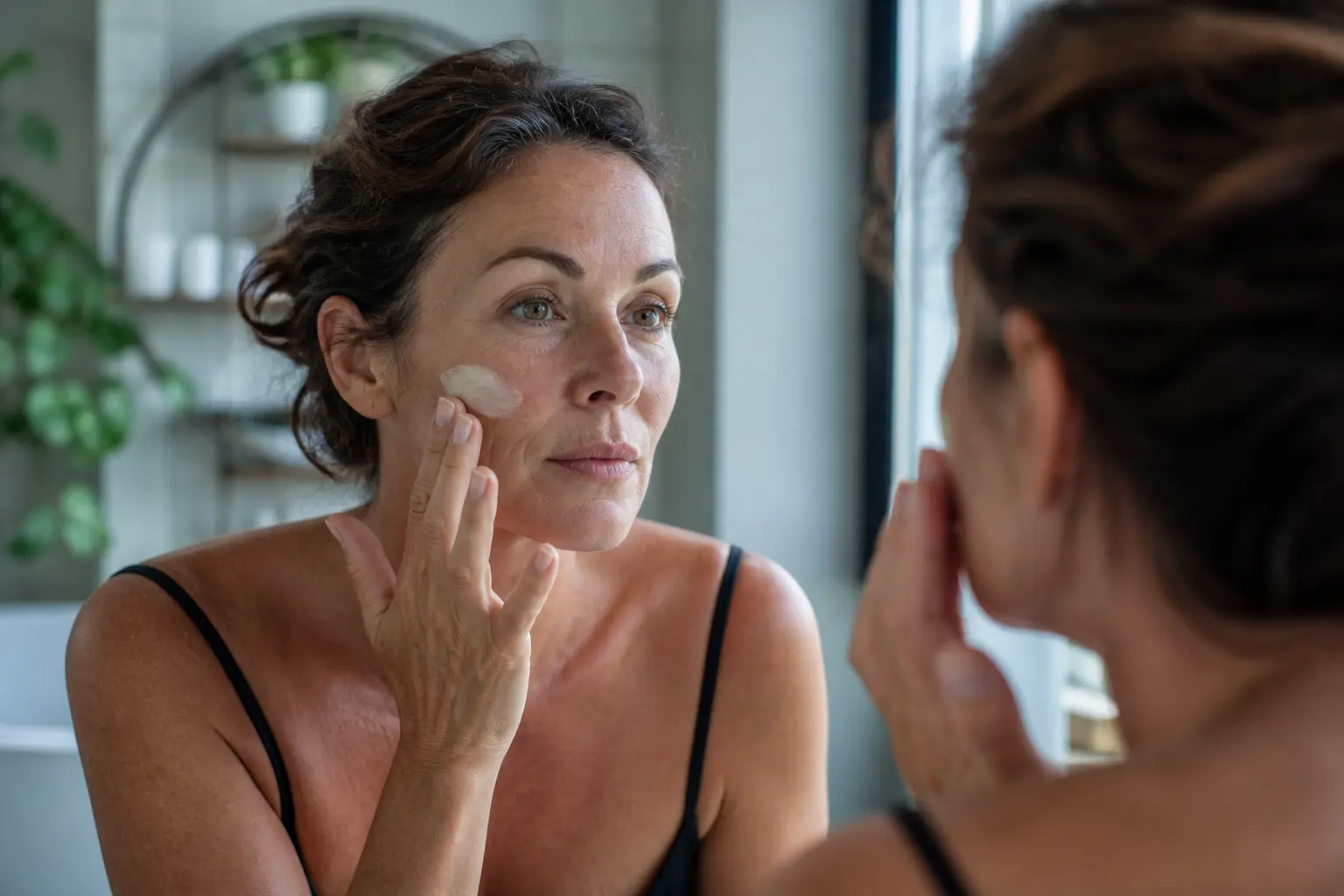
Most people apply roughly half the amount of sunscreen they actually need, which means they’re getting maybe SPF 15 protection instead of SPF 30. The standard recommendation is a nickel-sized amount for your face and a shot glass-sized amount for your entire body. Start by warming the sunscreen between your palms, then press it gently into your face rather than rubbing it in aggressively, which can disrupt the protective barrier. Pay attention to the spots you naturally miss: your hairline, ears, the back of your neck, the tops of your hands, and your part line if you have one. These areas get significant sun exposure but are often forgotten. Apply sunscreen at least 15 minutes before heading outside to give it time to set and form a proper protective layer. If you’re applying it over moisturizer, wait a minute or two between products so they don’t pill or slide around on your skin.
Reapplying throughout the day
Here’s where most people’s sunscreen routine falls apart: they apply it once in the morning and assume they’re protected all day. The reality is that sunscreen breaks down through sweat, friction, water exposure, and simply being in the sun. If you’re spending time outdoors, especially during peak UV hours between 10 AM and 4 PM, you need to reapply every two hours. If you’re swimming or sweating heavily at the gym, reapply immediately after toweling off. For those wearing makeup, reapplication gets tricky. Keep a powder sunscreen or a sunscreen spray in your bag for quick touch-ups without disrupting your makeup. Some people use a mineral powder with SPF as a midday refresh. The key is making reapplication convenient enough that you’ll actually do it. Set a phone reminder if you need to, or pair it with a habit you already have, like reapplying after lunch or after your afternoon coffee break.
Additional anti-aging measures
SPF is powerful, but it’s not a complete anti-aging solution on its own. Think of it as the foundation of a larger strategy. Hydration matters because dehydrated skin looks more tired and shows fine lines more prominently, so drink water consistently throughout the day. Your diet plays a role too: antioxidant-rich foods like berries, leafy greens, and fatty fish support skin health from the inside out. Sleep is when your body repairs itself, including your skin, so prioritize seven to nine hours nightly. Regular exercise improves circulation and gives skin a natural glow. If you smoke, quitting is one of the single best things you can do for your skin’s appearance and longevity. Consider adding a retinol or vitamin C serum to your routine for additional anti-aging benefits. These work synergistically with SPF to address aging from multiple angles.
SPF is a powerful ally in the battle against premature aging, reducing wrinkles, age spots, and sun damage. Choose the right SPF, apply generously, reapply frequently, and complement with other anti-aging habits for optimal results.
Can SPF completely prevent aging?
While SPF is essential in preventing premature aging due to sun exposure, it cannot stop the natural aging process. However, it significantly reduces visible signs of aging caused by UV radiation.
Will higher SPF numbers give better protection?
SPF 30 is considered the minimum recommendation for adequate protection. Higher SPF numbers provide slightly better protection, but the difference becomes marginal above SPF 50. Consistent application and reapplication are key.
Others also read:
Disclaimer: This article is for informational purposes only and is not a substitute for professional medical advice. Always consult a healthcare professional for personal guidance.
This guide has been prepared and reviewed by the GlobalHealthBeacon editorial team and reflects current medical research as of 2026. It provides structured, evidence-based information to support informed health decisions.
