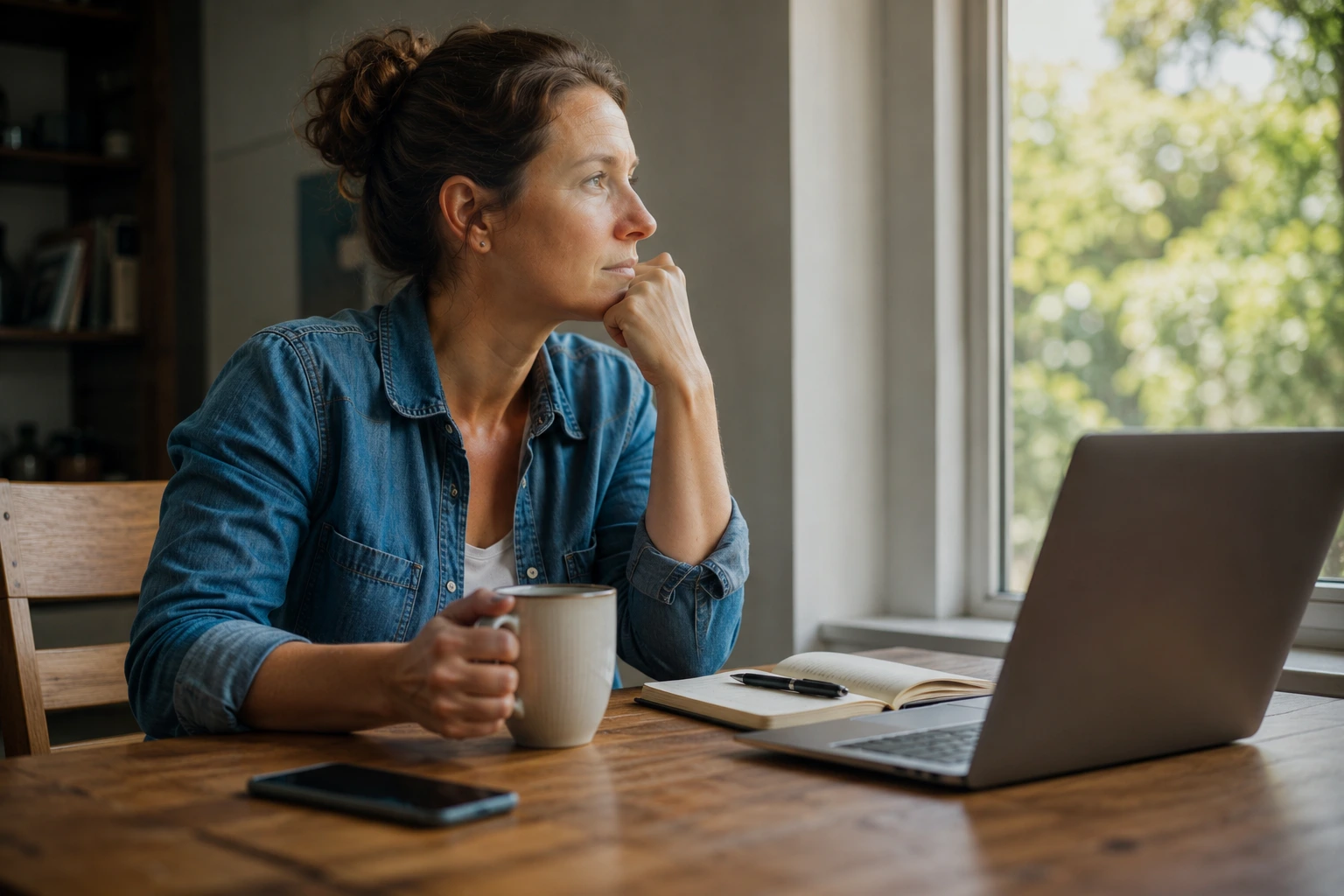
You’re lying awake at 3 AM again, your mind racing with worries about bills, health, or whether you’re doing enough, and stress relief techniques work because they actually quiet that noise instead of just masking it.
Meditation: the art of inner peace
Meditation changed everything for Margaret, a 72-year-old who spent years feeling trapped in her own anxious thoughts. She started with just five minutes a day, sitting in her favorite chair by the window, focusing on her breath. Within weeks, she noticed the constant mental chatter had softened into something manageable. Meditation works by anchoring your attention to the present moment through breathing exercises and guided imagery, which naturally quiets the mind’s tendency to spiral into worry. Many seniors find that starting with a simple technique like counting breaths or using a guided app removes the intimidation factor. The practice doesn’t require special equipment or a quiet ashram, just a comfortable spot and willingness to sit with yourself. Some people pair it with gentle music or nature sounds. Others use it right before bed to transition from the day’s stress. The beauty is that even on days when your mind feels impossibly busy, the practice itself still works. You’re training your nervous system to recognize calm, one breath at a time.
- Reduces anxiety and promotes emotional well-being
- Enhances self-awareness and mental clarity
- Improves sleep quality and overall mood
Nature therapy: embracing the outdoors
Thomas discovered something unexpected when he started spending afternoons in his community garden. The simple act of turning soil, planting seeds, and watching things grow gave his hands purpose and his mind permission to stop worrying. Nature therapy works differently for each person. Some seniors find peace through gardening, others through walking park trails, sitting on a bench watching birds, or simply standing in their backyard feeling the sun. Research consistently shows that time outdoors lowers cortisol, the stress hormone, while boosting serotonin naturally. What makes nature so powerful is that it engages all your senses without demanding anything from you. The smell of fresh grass, the sound of birds, the feeling of soil or grass under your feet, the sight of changing seasons, these sensory experiences ground you in the present moment. Even fifteen minutes makes a difference. If mobility is a concern, sitting by a window overlooking trees or a garden provides similar benefits. The key is consistency, not intensity. A regular weekly walk beats occasional ambitious outings.
💬 Ready to feel better in 2 minutes?choose where to begin:
Creative arts: channeling inner expression
When Patricia picked up a paintbrush for the first time at 68, she had no intention of becoming an artist. She just needed something to do with her hands that wasn’t worry. Six months later, her small apartment walls were covered with bold landscapes that surprised even her. Creative arts offer something unique: they give your anxious brain something constructive to focus on while your hands do the work. Whether it’s painting, drawing, knitting, woodworking, playing piano, or crafting, creative activities create a flow state where stress simply dissolves. You’re not thinking about tomorrow’s doctor appointment or last week’s argument. You’re thinking about color, texture, rhythm, or technique. The finished piece becomes proof that you created something, which builds confidence and mood. Many seniors join art classes or craft groups, which adds a social benefit that further reduces isolation and stress. The mistakes don’t matter. A crooked stitch, a smudged brushstroke, these become part of the character of what you make. That permission to be imperfect is deeply healing.
Physical exercise: energizing the body and mind
Robert was convinced at 70 that his exercising days were behind him until his doctor suggested water aerobics. The warm pool, the gentle resistance, the friendly faces in the class, it all combined into something he actually looked forward to. Physical exercise tailored to your abilities is one of the most reliable stress busters available. It doesn’t mean running marathons or hitting a gym. Gentle yoga, swimming, walking, tai chi, dancing in your living room, or even chair exercises all trigger the release of endorphins, your body’s natural mood elevators. Exercise also tires your body in a healthy way, which improves sleep and gives your mind a break from rumination. The social aspect matters too. Group classes provide connection and accountability. Solo activities like walking offer quiet time for reflection. The key is finding something you’ll actually do, not what you think you should do. Start small. A ten-minute walk is better than planning a thirty-minute walk you won’t take. Consistency builds momentum and becomes a non-negotiable part of your day, like brushing your teeth.
Exploring a range of stress relief techniques suitable for seniors, including meditation, nature therapy, creative arts, and physical exercise, reveals promising results in enhancing emotional well-being and overall quality of life.
Can stress relief techniques really work for seniors?
Yes, stress relief techniques tailored to seniors, such as meditation, nature therapy, creative arts, and physical exercise, have been shown to effectively reduce stress levels and promote emotional well-being.
Are these techniques safe for all seniors to try?
While most stress relief techniques are safe for seniors, it’s advisable to consult with a healthcare provider before starting any new practices, especially if managing a pre-existing health condition.
Others also read:
Disclaimer: This article is for informational purposes only and is not a substitute for professional medical advice. Always consult a healthcare professional for personal guidance.
This article presents an experience-based perspective and has been reviewed by the GlobalHealthBeacon editorial team in 2026. It provides structured, evidence-based information to support informed health decisions.
