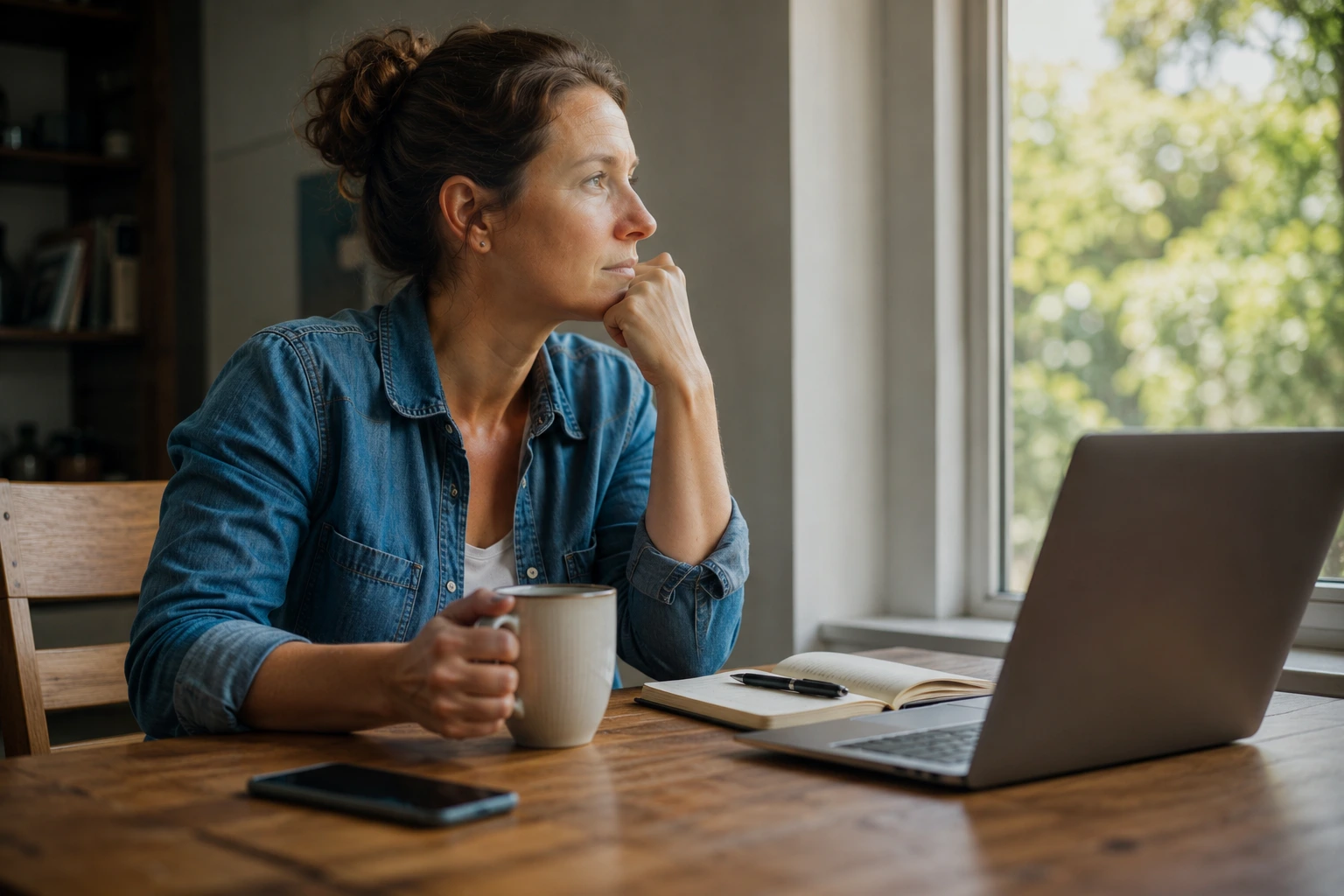
You’re lying awake at 3 AM again, your chest tight, your mind racing through every task you didn’t finish and every worry you can’t control, and you’re desperate to know if stress relief techniques work because you’re exhausted from feeling this way.
Breathing exercises: a deep dive into calmness
I remember the first time a therapist told me to just breathe, and I almost laughed. How could something so simple possibly help when my anxiety felt so massive? But then one afternoon, sitting at my desk with my shoulders practically touching my ears, I tried it. I inhaled slowly for four counts, held it, then exhaled for six. Something shifted. My body actually relaxed. Deep breathing works because when you’re stressed, your nervous system goes into overdrive, and controlled breathing sends a signal that you’re safe. Think of it like telling your body that the threat has passed. Women often find this technique especially useful because it requires no equipment, no special space, and just two minutes can genuinely change your nervous system response. The key is consistency and patience with yourself.
- Enhances oxygen flow to the brain
- Promotes relaxation response in the body
- Calms the nervous system
Mindfulness meditation: connecting with the present
Mindfulness meditation sounds intimidating until you realize it’s just about noticing what’s happening right now without judgment. I used to think I had to empty my mind completely, which made me feel like a failure every time a thought appeared. Then I learned that meditation isn’t about having no thoughts; it’s about observing them without getting tangled up in them. Imagine sitting for ten minutes and watching your worries float by like clouds instead of grabbing onto them. Many women find this transformative because we’re conditioned to solve everything immediately, but meditation teaches you to simply be present. You might focus on your breath, a mantra, or even a body scan. The practice helps you separate from the constant mental chatter and find a quiet space inside yourself where stress loses its grip. Over time, this creates real emotional resilience.
💬 Ready to feel better in 2 minutes?choose where to begin:
Yoga for stress relief: embracing mind-body harmony
Yoga changed how I experience my own body. I used to store stress in my shoulders and jaw without even realizing it, and yoga made me aware of these tension patterns. When you move through poses while focusing on your breath, you’re doing something powerful: you’re releasing physical tension while calming your mind simultaneously. A simple forward fold or child’s pose can feel incredibly grounding when anxiety hits. Women often gravitate toward yoga because it honors both strength and gentleness, and you can do it at any fitness level. The beauty is that you don’t need to be flexible or athletic; you just need to show up. Whether it’s a vigorous vinyasa flow that burns off nervous energy or a gentle yin class that helps you process emotions, yoga offers multiple pathways to stress relief. The mind-body connection it creates stays with you long after you roll up your mat.
Journaling: unleashing your emotional truths
The first time I journaled about my stress, I wrote for twenty minutes straight without stopping, and it felt like lancing a wound. All the things I couldn’t say out loud, all the fears I was hiding, all the frustration I was swallowing poured onto the page. Journaling creates a safe container for emotions that have nowhere else to go. You don’t need fancy notebooks or perfect handwriting; you just need blank pages and honesty. Many women find that writing helps them untangle confusing feelings and see patterns they couldn’t see before. Maybe you notice you’re most stressed on certain days, or that specific situations trigger anxiety. Once you see the pattern, you can actually address it. Some women write stream-of-consciousness style, others make lists of worries and then challenge them. The act of externalizing what’s in your head reduces its power over you. It’s like your brain finally gets to set down its burden.
Women have rated popular stress relief techniques like breathing exercises, mindfulness meditation, yoga, and journaling as effective methods for alleviating stress and bringing a sense of calmness and balance into their lives.
Can stress relief techniques work for everyone?
While stress relief techniques can be beneficial for many people, individual responses may vary. It’s essential to explore different methods to find what works best for you.
How often should I practice stress relief techniques?
Consistency is key when it comes to stress relief techniques. Aim to incorporate these practices into your daily routine to experience long-term benefits in managing stress.
Others also read:
Disclaimer: This article is for informational purposes only and is not a substitute for professional medical advice. Always consult a healthcare professional for personal guidance.
This article presents an experience-based perspective and has been reviewed by the GlobalHealthBeacon editorial team in 2026. It provides structured, evidence-based information to support informed health decisions.
