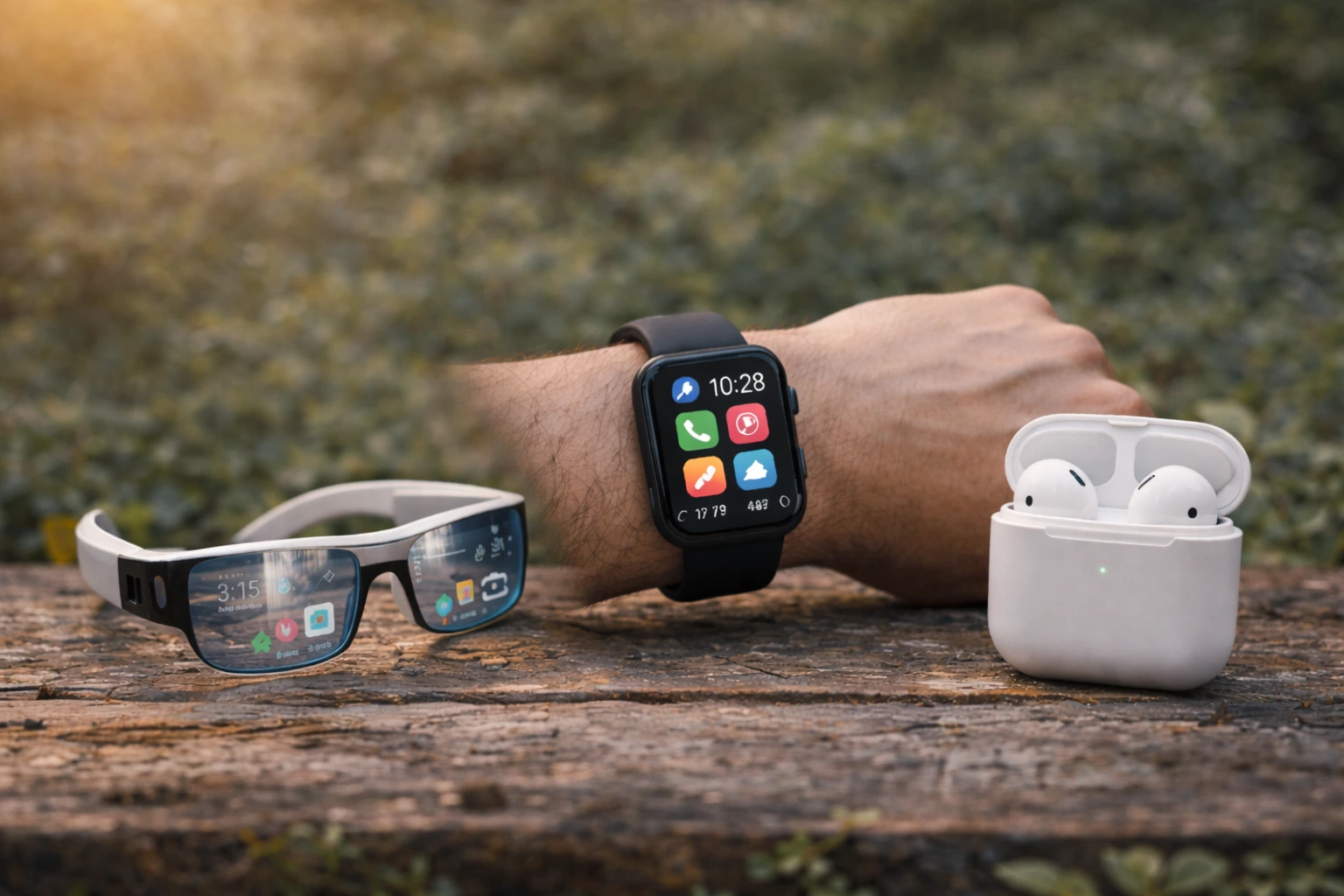
Your fingers fumble over tiny phone screens, apps crash when you need them most, and staying connected feels more exhausting than enjoyable—but what if technologies replacing mobile phones could actually make life simpler, not harder?
Digital assistants: a new way to stay connected
When Margaret first heard about Amazon’s Alexa, she was skeptical. But after her daughter set it up in her kitchen, everything changed. No more squinting at screens or tapping tiny icons. She could simply say ‘Alexa, call my grandchildren’ and within seconds, her family’s voices filled the room. Digital assistants like Alexa and Google Assistant became the bridge many seniors needed. They handle phone calls through voice alone, set medication reminders without requiring you to remember passwords, and control lights or thermostats with a single spoken command. One participant, Robert, appreciated how he could ask for weather updates or news headlines while cooking breakfast. The learning curve was minimal because there’s nothing to unlock, no apps to navigate, just natural conversation. Many seniors reported feeling less isolated and more in control of their daily routines.
- Hands-free operation for convenient multitasking
- Instant access to information through verbal commands
- Integration with home automation for added convenience
Tablets: the versatile alternative for communication
Dorothy had always struggled with her smartphone’s small screen, but when her son brought over an iPad, she finally saw her grandchildren’s faces clearly during video calls. Tablets offer something smartphones never quite managed for many seniors: real estate. The larger display makes reading emails, browsing family photos, and watching videos genuinely enjoyable rather than a strain on the eyes. During the testing period, seniors found tablets perfect for keeping in one spot, whether on a nightstand for morning news or at the kitchen table for video chats. The portability was still there when needed, but the experience felt less frantic. Apps designed for tablets often feature bigger buttons and clearer text. One participant, Helen, discovered she could read her favorite newspapers in full color without needing reading glasses. The transition from smartphones felt natural because the core functions remained the same, just more accessible and comfortable.
💬 Ready to feel better in 2 minutes?choose where to begin:
Smartwatches: fitness trackers with added functionality
James never thought he’d care about step counts until his smartwatch started celebrating his morning walks. What began as a simple health tracker became a source of quiet pride and motivation. Smartwatches surprised many seniors with their practical benefits beyond fitness. Notifications arrive directly on your wrist, so you don’t miss important calls or messages while gardening or cooking. The compact design means you’re not fumbling with a phone to check the time or see who’s calling. Several participants appreciated the fall detection feature, which automatically alerts emergency contacts if a serious tumble occurs. One woman, Patricia, found the heart rate monitoring reassuring during her recovery from a health scare. The watch became her silent companion, tracking sleep patterns and gently reminding her to stand up after long periods of sitting. For active seniors who value independence, smartwatches offered peace of mind without feeling intrusive.
E-readers: a lightweight solution for reading enthusiasts
Frank had always loved reading but couldn’t carry his favorite novels anymore due to arthritis in his hands. An e-reader changed everything. Devices like the Kindle weigh less than a paperback but hold thousands of books. The adjustable font sizes meant he could read comfortably without struggling or needing magnifying glasses. Battery life stretched for weeks, so charging became a rare chore rather than a daily frustration. During testing, avid readers discovered that e-readers offered access to vast libraries instantly. No trips to the library, no waiting for books to arrive. One participant, Susan, appreciated the built-in dictionary for unfamiliar words and the ability to adjust lighting for comfortable reading in any room. The e-ink display doesn’t strain eyes the way phone screens do. For seniors who found smartphones distracting with their constant notifications, e-readers provided a peaceful, focused reading experience that felt like stepping back to simpler times while enjoying modern convenience.
Seniors explored a variety of technologies replacing mobile phones and found digital assistants, tablets, smartwatches, and e-readers to be viable alternatives for staying connected, communicating, tracking fitness, and reading, respectively.
Are these mobile replacements user-friendly for seniors?
Yes, many of these technologies are designed with user-friendly features like voice commands, larger screens, and intuitive interfaces to cater to the needs of seniors.
Can seniors easily adapt to these new devices?
While there may be a learning curve initially, seniors can gradually adapt to the functionalities of these devices with practice and guidance from family or caregivers.
Others also read:
Disclaimer: This article is for informational purposes only and is not a substitute for professional medical advice. Always consult a healthcare professional for personal guidance.
This article presents an experience-based perspective and has been reviewed by the GlobalHealthBeacon editorial team in 2026. It provides structured, evidence-based information to support informed health decisions.
← Back to the main technologies replacing mobile phones page
