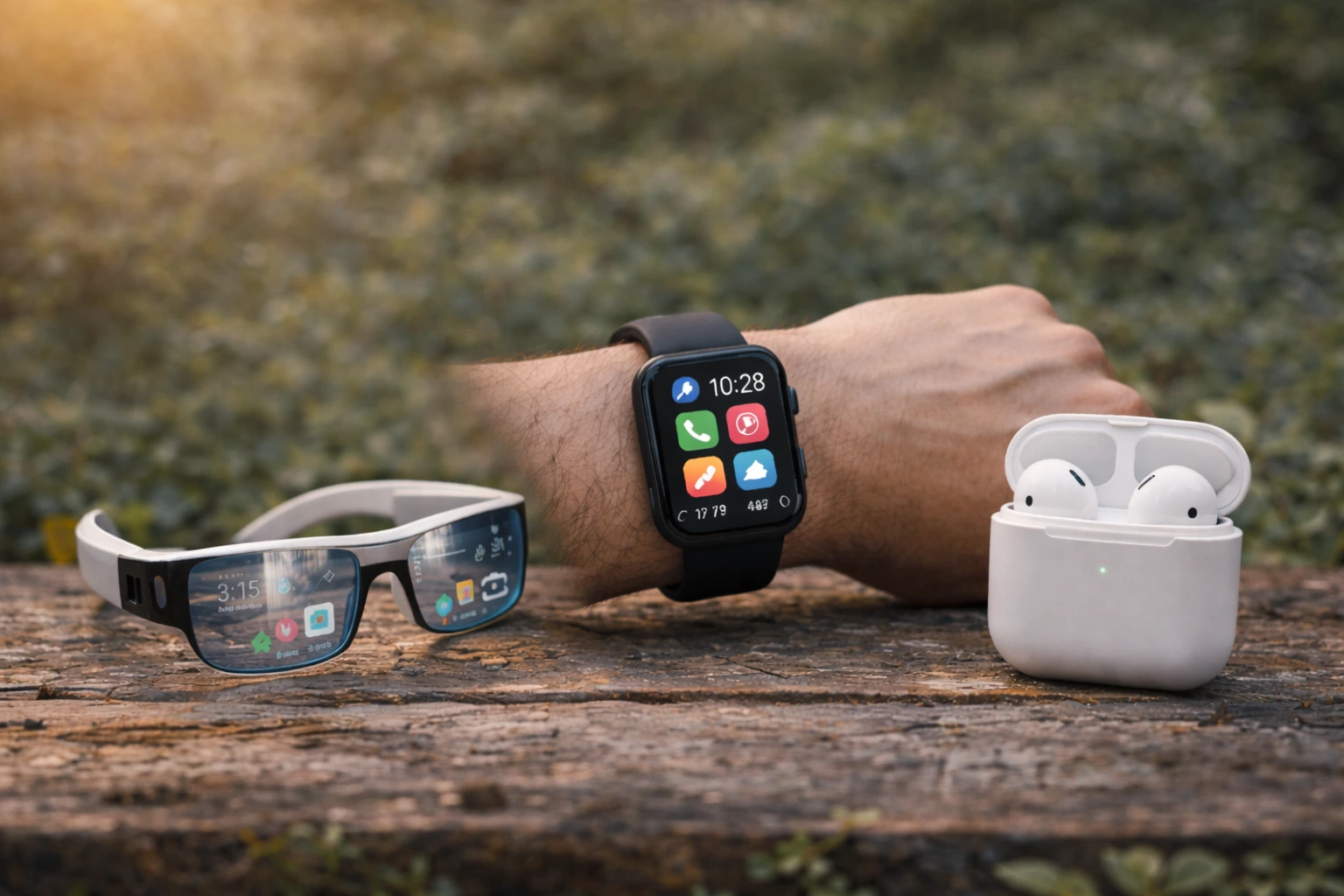
Your phone buzzes every three seconds, your eyes burn from the glow, and you cannot remember the last time you felt genuinely present with anyone, so you are finally exploring technologies replacing mobile phones that actually let you breathe again.
The rise of wearable tech
Wearable technology like smartwatches and fitness trackers are quietly revolutionizing how we interact with the digital world, and honestly, they feel like the gateway drug to phone freedom. Instead of pulling out your phone every time a notification hits, your watch taps your wrist with just the essentials. Imagine scrolling through work emails on your wrist instead of getting sucked into a 20-minute social media spiral. Many young adults report that switching to a smartwatch for notifications alone cuts their daily screen time by hours. You still get the connection you need, but on your terms. These devices track your heart rate during stressful moments, log your workouts without requiring you to document every step, and remind you to move when you have been sitting too long. The real magic happens when you realize you can actually enjoy a coffee with friends without glancing at your phone every 30 seconds.
- Stay connected without being overwhelmed by distractions
- Track your health and fitness goals effortlessly
- Reduce screen time and improve productivity
Smart home assistants take center stage
Virtual assistants like Amazon Alexa and Google Home are becoming the unsung heroes for young adults who want to cut the phone cord but stay organized. Picture this: you are getting ready in the morning, and instead of reaching for your phone to check the weather or your calendar, you just ask your speaker. Your hands stay free, your eyes stay off a screen, and you still get the information you need instantly. These voice-activated devices handle your reminders, control your lights and temperature, play your music, and even help you order groceries without you ever touching a screen. The convenience factor is real, especially for people who find themselves mindlessly scrolling while waiting for information they could have just asked for. Many young adults use smart speakers to set boundaries around phone use because the friction of asking out loud instead of swiping feels different. It forces you to be intentional. You cannot accidentally doom-scroll when you are talking to your speaker.
💬 Ready to feel better in 2 minutes?choose where to begin:
Embracing e-readers for digital detox
E-readers like Kindle have become the secret weapon for young adults who love reading but hate what their phones do to their minds. Reading on an e-reader feels almost retro in the best way possible, because there are no notifications, no sidebar ads, and no algorithm deciding what you should read next. You open the device, and it is just you and the book. The screen technology mimics paper so closely that many readers say their eyes feel less strained after hours of reading compared to scrolling on their phone. Carrying 200 books in your pocket without the weight or the temptation to check social media is genuinely life-changing for people who commute or travel. The lack of backlit glow also means you can read before bed without destroying your sleep schedule. Young adults often find that switching to an e-reader for their reading habit breaks the phone dependency cycle because reading becomes an actual break from screens, not just a different type of screen.
Exploring minimalist phones for mental clarity
Minimalist phones with basic calling and texting are gaining serious traction among young adults who are exhausted by the constant pull of their smartphones. These stripped-down devices force you to be intentional about communication because there is no Instagram, no TikTok, no endless apps competing for your attention. Imagine having a phone that does one thing well instead of 50 things poorly. Some young adults use a minimalist phone as their primary device and keep a smartphone only for specific tasks they do at a designated time each day. The mental shift is profound because your phone stops being a portal to infinite distraction and becomes a tool again. You feel the anxiety lift when notifications stop piling up. Your attention span actually recovers. People report feeling more present in conversations, sleeping better, and having more time for hobbies that do not involve a screen. The trade-off is real, but for many, losing access to apps is a feature, not a bug.
Discover a range of innovative technologies that can help you break free from smartphone dependency. From wearable tech to minimalist phones, these alternatives offer a fresh perspective on digital engagement and promote a healthier balance in your daily life.
Are wearable tech devices easy to use for beginners?
Yes, wearable tech devices are designed with user-friendly interfaces and intuitive controls, making them accessible for users of all experience levels.
Can e-readers replicate the feel of a physical book?
While e-readers offer a different reading experience, many users find them convenient and versatile for carrying multiple books in a single lightweight device.
Others also read:
Disclaimer: This article is for informational purposes only and is not a substitute for professional medical advice. Always consult a healthcare professional for personal guidance.
This article presents an experience-based perspective and has been reviewed by the GlobalHealthBeacon editorial team in 2026. It provides structured, evidence-based information to support informed health decisions.
← Back to the main technologies replacing mobile phones page
