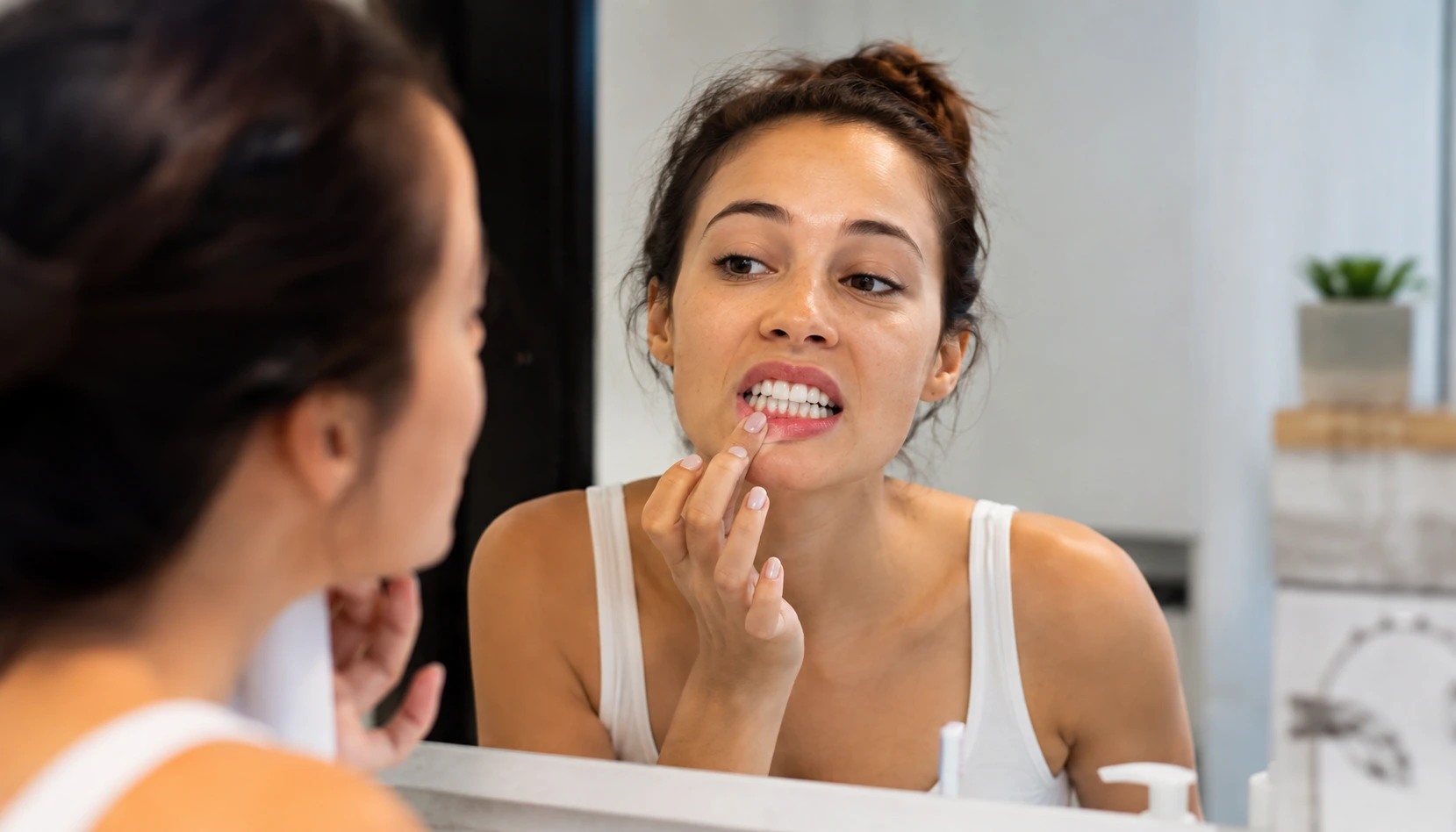
You’ve spent decades taking care of your teeth, and now you’re wondering if whitening could actually undo all that work, but the truth about teeth whitening safety might surprise you.
Understanding the science of teeth whitening
Teeth whitening works through a straightforward chemical process that’s been studied extensively over the past two decades. The active ingredients, typically hydrogen peroxide or carbamide peroxide, penetrate the porous structure of tooth enamel and break down chromogenic molecules, which are the compounds responsible for tooth discoloration. Think of it like this: when you drink coffee or tea over the years, pigment molecules accumulate deep within your enamel. The whitening agents essentially split these larger colored molecules into smaller, lighter fragments. The concentration of these peroxides varies significantly between products, from over-the-counter strips containing 3-10 percent hydrogen peroxide to professional treatments that may use 15-35 percent. Understanding this distinction matters because concentration directly affects both efficacy and potential sensitivity. Many older adults worry that this chemical action must somehow weaken their teeth, but the science shows something different: when applied correctly and for appropriate durations, these agents work on the stain molecules themselves, not on the structural integrity of the enamel.
Common myths about teeth whitening safety
The most persistent myth circulating among older adults is that teeth whitening permanently damages enamel. This misconception likely stems from confusion with other dental procedures or from hearing about rare cases of misuse. The reality, supported by multiple clinical studies, is that properly applied whitening treatments do not cause structural enamel loss. Your enamel thickness remains unchanged after whitening. Another widespread belief is that whitening inevitably causes severe, permanent tooth sensitivity. While some people do experience temporary sensitivity during or shortly after treatment, this typically subsides within days or weeks and is not a sign of damage. A third myth suggests that whitening works equally well for everyone, leading to disappointment when results vary. The truth is more nuanced: yellowing stains respond better to whitening than gray or brown discoloration, and results depend heavily on your starting tooth shade and the underlying dentin color. Some older adults also believe that once teeth are whitened, they stay white forever. In reality, whitening is temporary, lasting anywhere from several months to two years depending on habits and maintenance. Understanding these distinctions helps set realistic expectations.
Safety measures for older adults considering teeth whitening
Before embarking on any whitening journey, scheduling a consultation with your dentist is the essential first step. Your dentist can assess your specific dental health, identify any existing issues like cavities or gum recession that might complicate whitening, and recommend the most appropriate approach for your individual situation. During this visit, discuss your expectations openly, as this conversation shapes the entire experience. Next, if you proceed with a whitening product, read and follow the instructions with meticulous attention. Many people rush through this step or assume they know how the product works, but instructions specify duration, frequency, and application method for important reasons. For example, leaving whitening strips on longer than recommended won’t speed results and may increase sensitivity unnecessarily. Pay close attention to the concentration of the whitening agent listed on the product packaging. Lower concentrations are generally safer for at-home use, while higher concentrations are reserved for professional application where a dentist can monitor your response. If you have existing sensitivity, gum disease, or extensive dental work like crowns or veneers, inform your dentist before whitening, as these factors influence which products are appropriate. Consider starting with lower-concentration products if you’re nervous, as you can always increase strength later if needed.
- Schedule a consultation with your dentist before starting treatment
- Review product instructions carefully and follow timing precisely
- Note the whitening agent concentration and choose appropriately for your situation
- Discuss any existing dental concerns with your dentist beforehand
- Start with lower concentrations if you have sensitivity concerns
🔬 Science-backed benefits in 2 minuteschoose where to begin:
The role of age in teeth whitening safety
As you move through your sixties, seventies, and beyond, your teeth undergo natural changes that directly affect whitening safety and effectiveness. The enamel layer, which has been gradually thinning throughout your life due to normal wear and acid exposure, becomes noticeably thinner in older age. This thinning means the underlying dentin, which is naturally more yellow and more porous than enamel, becomes more exposed and visible. This is why many older adults notice their teeth look more yellow even though they haven’t changed their habits. When enamel thins, it also becomes more permeable, which means whitening agents can penetrate more deeply and potentially reach the sensitive inner structures of the tooth more easily. This increased permeability can lead to heightened sensitivity during whitening. Additionally, older adults are more likely to have gum recession, where the gum line pulls back and exposes the root surface. Roots lack enamel entirely and are much more sensitive to whitening agents, so this is an important consideration. Many older adults also have existing dental work like crowns, bridges, or fillings, which do not whiten and can create an uneven appearance if surrounding natural teeth are whitened. These age-related factors don’t mean whitening is off-limits, but they do mean it requires more careful planning and professional guidance.
Alternative options for teeth whitening safety
If traditional bleaching-based whitening raises concerns for you, several gentler alternatives can help brighten your smile without the intensity of peroxide treatments. Whitening toothpastes contain mild abrasives and polishing agents that remove surface stains through mechanical action rather than chemical bleaching. These work best on extrinsic stains, the external discoloration from coffee, wine, or tobacco, and won’t lighten intrinsic stains that exist within the tooth structure. Professional dental cleanings, performed by a hygienist, remove tartar and plaque buildup that can make teeth appear duller, often resulting in a noticeably brighter appearance without any whitening agent. Some older adults find that simply improving their oral hygiene routine and being more diligent about regular cleanings produces satisfying results. Whitening mouthwashes are another option, though they tend to be less effective than other methods because contact time with teeth is limited. If you’ve had cosmetic dental work done, your dentist might recommend bonding or veneers as an alternative to whitening, particularly if your teeth have significant discoloration or structural issues. For those with sensitive teeth, desensitizing treatments applied before whitening can reduce discomfort significantly. Your dentist can also apply fluoride treatments to strengthen enamel and reduce sensitivity, making whitening more comfortable if you decide to pursue it.
Understanding the limitations of teeth whitening
Teeth whitening is a temporary cosmetic treatment, not a permanent solution, and this reality shapes how you should approach it. Most whitening results last between three months and two years, depending on the method used, the concentration of the whitening agent, and your personal habits. Someone who drinks red wine daily will see results fade faster than someone who avoids staining foods and beverages. This temporary nature means that if you whiten your teeth, you’ll likely need touch-up treatments periodically to maintain the brightness you achieve. The degree of whitening possible also varies considerably from person to person based on genetics, your starting tooth shade, and the type of staining you have. Someone with naturally gray teeth may see minimal improvement, while someone with yellow staining might achieve dramatic results. It’s also important to understand that whitening doesn’t address all dental concerns. If you have chips, cracks, or severe discoloration from certain medications or conditions, whitening alone won’t solve these issues. Regular dental check-ups remain essential because they catch problems early, and good oral hygiene practices, including brushing twice daily, flossing, and limiting staining foods and drinks, are the true foundation of maintaining a bright smile over time. Think of whitening as a boost to your existing good dental habits, not a replacement for them.
Teeth whitening, when done correctly under appropriate guidance, is a safe procedure that does not damage enamel or cause permanent harm. Older adults benefit from consulting their dentist beforehand, understanding their individual risk factors related to thinning enamel and gum recession, and following product instructions carefully. The concentration of whitening agents matters significantly, and starting with lower concentrations is a sensible approach for those with sensitivity concerns. Alternative options like professional cleanings and whitening toothpastes offer gentler approaches if traditional bleaching feels too risky. Remember that whitening results are temporary and require maintenance, and that regular dental visits and consistent oral hygiene remain the true keys to a bright, healthy smile throughout your later years.
Does teeth whitening damage the enamel?
No, when done correctly, teeth whitening does not damage enamel. The whitening agents break down stain molecules within the enamel rather than removing or weakening the enamel structure itself. However, overuse or misuse of high-concentration products can cause sensitivity, which is different from enamel damage. Your dentist can recommend appropriate concentrations and usage patterns for your specific situation.
Are there age-related considerations for teeth whitening?
Yes, age significantly affects whitening safety and results. As enamel naturally thins with age, older adults may experience increased sensitivity during whitening because the whitening agents can penetrate more deeply. Gum recession, which is common in older age, exposes tooth roots that lack enamel and are more sensitive. Existing dental work like crowns or fillings also doesn’t whiten, potentially creating uneven results. These factors don’t prohibit whitening but require careful planning and professional guidance.
Others also read:
Disclaimer: This article is for informational purposes only and is not a substitute for professional medical advice. Always consult a healthcare professional for personal guidance.
This article has been prepared and reviewed by the GlobalHealthBeacon editorial team and is based on current medical research and published scientific literature available in 2026. It provides structured, evidence-based information to support informed health decisions.
