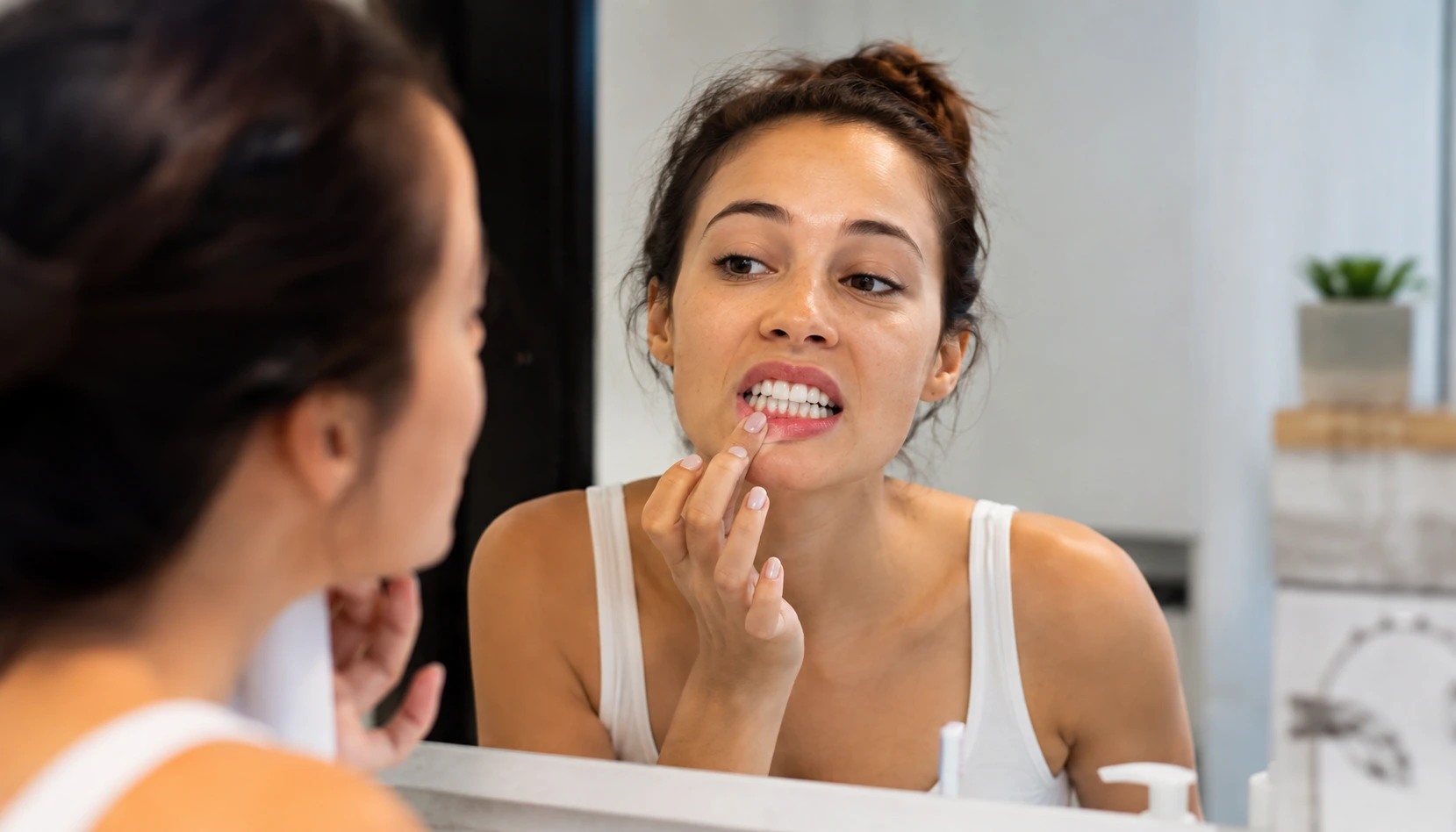
You’ve scrolled past countless before-and-after photos, grabbed that whitening kit from the drugstore shelf, and now you’re staring at the instructions wondering if you’re about to wreck your smile—teeth whitening safety matters more than the shade of white you’re chasing.
Understanding the basics of teeth whitening
Teeth whitening is fundamentally about breaking down the molecules that cause discoloration and staining. When you drink coffee, red wine, or tea regularly, pigmented compounds seep into the microscopic pores of your tooth enamel and accumulate over time. Over-the-counter products work by using bleaching agents, primarily hydrogen peroxide or carbamide peroxide, which penetrate the enamel and oxidize these stain molecules, essentially lightening them from within. Think of it like bleaching fabric: the active ingredient breaks down the color bonds. Most drugstore products contain between 3 to 10 percent hydrogen peroxide, compared to professional treatments that might use 15 to 35 percent. The lower concentration in OTC products means slower results but theoretically less aggressive action on your teeth. Understanding this basic chemistry helps explain why some products work better for surface stains (like those from beverages) versus deeper discoloration from aging or certain medications.
What research says about over-the-counter products
Clinical studies consistently show that over-the-counter whitening products do deliver measurable results, though with important caveats. Research published in dental journals indicates that strips, gels, and trays can lighten teeth by one to three shades over several weeks of consistent use. However, the effectiveness varies significantly based on the product formulation, the concentration of active ingredients, and individual tooth structure. One key finding: results plateau after about two weeks of use, meaning continuing beyond that point doesn’t necessarily yield whiter teeth but does increase sensitivity risk. Women often report better results with products that include desensitizing agents like potassium nitrate, which helps manage the tingling sensation many experience. Professional treatments administered by dentists remain more effective for stubborn stains and deliver faster results, but they also come with higher costs and require office visits. The research consensus suggests OTC products work best for maintenance after professional treatments or for mild to moderate surface staining in people with naturally resilient enamel.
Evaluating the safety of over-the-counter whitening products
Safety evaluation starts with reading the label carefully, not just the marketing claims. Look for the concentration of hydrogen peroxide or carbamide peroxide listed in the ingredients. Products claiming to be gentle typically contain 3 to 6 percent hydrogen peroxide, while stronger formulas go up to 10 percent. Next, examine the contact time: how long the product sits on your teeth matters enormously. Strips that stay on for 30 minutes daily are different from overnight trays, and your gums respond differently to each. Before starting any whitening regimen, consider your baseline tooth sensitivity. If you already experience sensitivity when eating ice cream or drinking hot beverages, your enamel may be compromised, and whitening could exacerbate the problem. Women with gum recession, exposed root surfaces, or a history of enamel erosion should absolutely consult a dentist first. A quick conversation with your dental professional takes minutes but can prevent weeks of discomfort or damage. They can also identify whether your discoloration is actually staining (which whitening helps) or intrinsic discoloration from medication or aging (which whitening may not address).
- Check concentration of active ingredients on the product label
- Follow instructions diligently and do not exceed recommended usage time
- Consult your dentist beforehand if you have sensitive teeth or gum issues
🔬 Science-backed benefits in 2 minuteschoose where to begin:
Potential risks associated with over-the-counter whitening
The most common side effect is tooth sensitivity, which affects roughly 30 to 40 percent of people using OTC whitening products. This happens because the bleaching agents can temporarily open microscopic channels in your enamel, allowing stimuli to reach the nerve inside the tooth. For most people, this sensitivity fades within a few days of stopping treatment, but it’s uncomfortable while it lasts. Gum irritation occurs when the whitening gel contacts soft tissue, causing redness, soreness, or even chemical burns if the concentration is high or contact is prolonged. Overuse is the primary culprit here: using whitening strips daily for months or leaving trays on longer than directed significantly increases risk. There’s also the less discussed risk of enamel thinning with repeated whitening cycles. While occasional whitening is generally safe, using products excessively can gradually wear away enamel, making teeth appear more yellow over time because the yellowish dentin underneath becomes more visible. Women in their 40s and 50s should be particularly cautious, as enamel naturally thins with age. Some people also experience temporary whitening of the gum line or white spots on teeth if the bleaching is uneven.
Alternative options for safe teeth whitening
Professional whitening at a dental office offers several advantages worth considering. A dentist applies higher-concentration bleaching agents under controlled conditions, protecting your gums with barriers and monitoring your enamel throughout the process. Results typically appear after one or two sessions, and the dentist can adjust the formula if you experience sensitivity. Custom-fitted trays made by your dentist fit your teeth precisely, reducing gel contact with gums and improving results. Another option is combining approaches: using professional whitening first, then maintaining results with gentler OTC products. Some women prefer natural alternatives like whitening toothpastes containing mild abrasives or enzymatic ingredients, though these work more slowly and are better for maintenance than dramatic shade changes. Whitening mouthwashes exist but offer minimal benefit since contact time is too brief. If you have significant discoloration from medication, aging, or internal staining, whitening may not be the answer at all; veneers or bonding might be more appropriate. A dentist can help you understand which option matches your specific situation and goals.
Conclusion: Balancing safety and effectiveness
Over-the-counter teeth whitening products can be safe and effective when approached thoughtfully. The key is honest self-assessment: understand your baseline tooth sensitivity, read labels carefully, follow instructions precisely, and resist the urge to accelerate results by overusing products. Many women successfully whiten their teeth with drugstore products and experience no problems because they respect the guidelines and listen to their teeth when sensitivity appears. The decision between OTC and professional whitening depends on your budget, timeline, and how much discoloration you’re dealing with. Starting with a dental consultation costs nothing in many practices and provides personalized guidance tailored to your enamel thickness, gum health, and specific staining causes. Remember that whiter teeth aren’t worth months of sensitivity or damaged enamel. The safest approach combines realistic expectations, careful product selection, and willingness to stop if your teeth signal distress. Your smile is something you live with every day; taking a measured, informed approach to whitening protects both its appearance and health long-term.
Over-the-counter teeth whitening products can be safe when you check active ingredient concentrations, follow instructions precisely, and consult a dentist beforehand if you have sensitivity concerns. Understanding the risks like enamel thinning and gum irritation, combined with knowledge of your own tooth structure, helps you make informed choices. Professional options exist for those seeking faster results or dealing with stubborn discoloration. The balance between safety and effectiveness comes down to respecting your teeth’s limits and choosing the approach that matches your individual needs.
Are over-the-counter teeth whitening products safe for daily use?
Daily whitening significantly increases sensitivity and enamel damage risk. Most products are designed for intermittent use, typically 3 to 5 times per week or as directed on the label. Even gentle formulas can cause problems with daily application over weeks. If you want ongoing whitening, space treatments out and give your teeth recovery time between sessions. Your dentist can recommend a safe maintenance schedule based on your enamel condition.
Can over-the-counter whitening products damage tooth enamel?
Overuse or misuse of whitening products can damage enamel, though occasional proper use is generally safe. High-concentration bleaching agents, extended contact time, and repeated cycles gradually thin enamel, making teeth appear more yellow as the underlying dentin shows through. If you already have thin enamel, sensitivity, or recession, whitening poses higher risk. Always follow product instructions and stop if you experience persistent sensitivity or see white spots on your teeth.
Others also read:
Disclaimer: This article is for informational purposes only and is not a substitute for professional medical advice. Always consult a healthcare professional for personal guidance.
This article has been prepared and reviewed by the GlobalHealthBeacon editorial team and is based on current medical research and published scientific literature available in 2026. It provides structured, evidence-based information to support informed health decisions.
