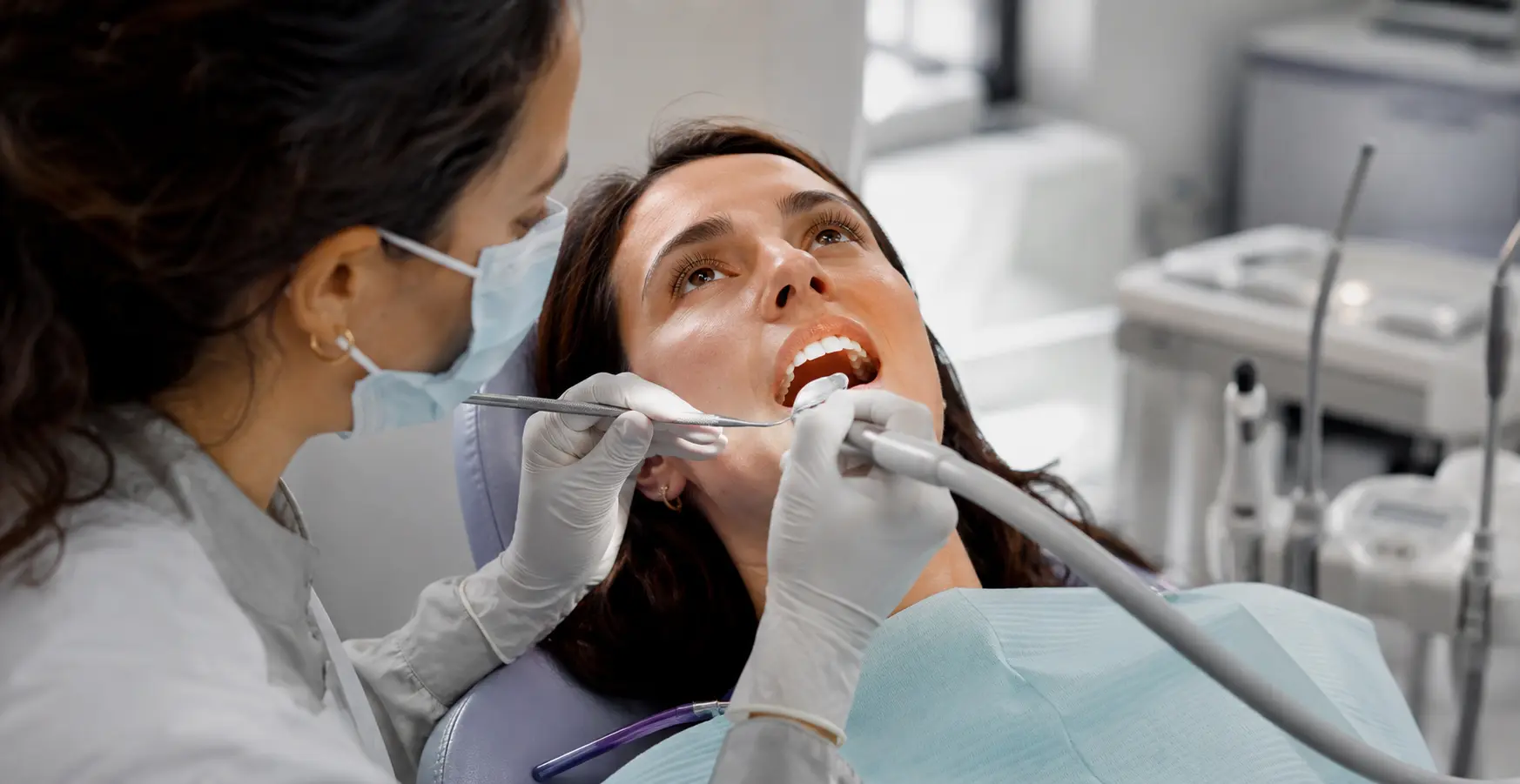
You catch your reflection and immediately notice that chip, that discoloration, that gap you wish would just disappear, and you start wondering if veneers pros and cons might finally be the answer to the smile you’ve been imagining for years.
The science behind veneers
Veneers represent a fascinating intersection of dental biomechanics and cosmetic artistry. These ultra-thin shells, typically measuring between 0.5 and 0.7 millimeters in thickness, are custom-fabricated to bond directly to the front surface of your teeth. The two primary materials used are porcelain and resin composite, each with distinct properties. Porcelain veneers are milled from high-strength ceramic materials that mimic the translucency and light-reflecting properties of natural tooth enamel, making them virtually indistinguishable from real teeth. Resin composite veneers, by contrast, are applied directly to the tooth and hardened with a special light, offering a more conservative approach. The bonding process involves etching the tooth surface with a mild acid to create microscopic irregularities that allow the adhesive resin to grip securely. Your dentist carefully shades and shapes each veneer to match your natural tooth color, contour, and even the subtle characteristics that make your smile uniquely yours.
Pros of veneers
Veneers excel at addressing multiple aesthetic concerns that many women find frustrating. If you have teeth stained from years of coffee, red wine, or smoking that whitening treatments cannot touch, veneers provide a permanent solution with superior stain resistance. Chipped or slightly broken teeth that affect your confidence can be seamlessly restored without requiring extensive reconstruction. Gaps between teeth, whether from natural spacing or tooth loss, can be closed cosmetically without orthodontic treatment. Misshapen teeth that have always made you self-conscious can be reshaped to create a more harmonious smile. The results are remarkably natural-looking when designed by an experienced cosmetic dentist who understands facial proportions and your personal aesthetic goals. Many women report a significant boost in confidence after veneer placement, describing it as finally seeing the smile they always knew they had inside. The longevity is impressive too, with porcelain veneers often lasting 10 to 15 years or longer with proper care.
Cons of veneers
Understanding the drawbacks is essential before committing to this procedure. The veneer process is irreversible because your dentist must remove a thin layer of enamel from your tooth surface to accommodate the shell. This means your teeth will always require some form of restoration going forward, whether veneers or crowns. Some patients experience increased tooth sensitivity, particularly to temperature changes, because the enamel layer that normally provides insulation has been reduced. The financial commitment is substantial, ranging from hundreds to thousands of dollars depending on materials and complexity. Veneers can chip or crack if you bite down on hard objects or experience trauma, requiring replacement. They also require diligent maintenance and cannot be repaired like natural teeth; if damage occurs, the entire veneer typically needs replacement rather than a simple filling. Additionally, while veneers are stain-resistant, the margins where the veneer meets your tooth can sometimes show discoloration over time if oral hygiene is not meticulous.
- Consult with a qualified cosmetic dentist who can assess your smile goals and explain how veneers specifically address your concerns.
- Undergo a comprehensive dental examination to evaluate your oral health, bite alignment, and tooth structure to ensure you are a suitable candidate.
- Review before-and-after photos of the dentist’s previous veneer cases to understand their aesthetic approach and skill level.
- Discuss the irreversible nature of the procedure and commit to the long-term maintenance requirements.
- Carefully weigh the financial investment against the longevity and aesthetic benefits for your specific situation.
🔬 Science-backed benefits in 2 minuteschoose where to begin:
Veneers vs. other options
When considering smile enhancement, you have several pathways, each with different implications. Teeth whitening is the most conservative option, addressing discoloration without altering tooth structure, but results fade over time and do not correct shape or structural issues. Dental bonding uses tooth-colored resin applied directly to teeth, preserving more natural tooth structure than veneers, but bonding material is more prone to staining and typically lasts only 5 to 7 years. Crowns completely encase the tooth and offer excellent durability and coverage for severely damaged teeth, but they require more tooth removal than veneers. Orthodontics can address spacing and alignment but takes years and does not fix discoloration or shape issues. Veneers occupy a middle ground, offering superior longevity compared to bonding (10 to 15 years), more conservative tooth preparation than crowns, and the ability to address multiple aesthetic concerns simultaneously. For women seeking a transformative yet relatively conservative cosmetic solution with impressive durability, veneers often represent the optimal choice when compared directly to alternatives.
Maintaining veneers
Veneer longevity depends heavily on how you care for them after placement. Daily oral hygiene should include gentle brushing with a soft-bristled toothbrush and non-abrasive toothpaste, as aggressive scrubbing can damage the veneer surface and margins. Flossing is critical because plaque accumulation at the veneer edges can lead to decay of the underlying tooth structure. Avoid habits that stress veneers, such as using your teeth to open packages, chewing ice, or biting your nails, as these can cause chipping or cracking. If you grind your teeth at night, discuss a custom night guard with your dentist to protect your investment. Limit staining foods and beverages immediately after placement when the bonding material is still setting, and be mindful of them long-term. Attend dental check-ups every six months so your dentist can monitor the veneer margins and underlying tooth health. Professional cleanings help maintain the veneer surface shine and allow early detection of any issues. Many women find that treating their veneers with the same care they would give to a significant investment, like jewelry or skincare, helps them maintain beautiful results for years.
Cost considerations
Veneer costs vary significantly based on multiple factors, making it important to understand what influences pricing in your area. Porcelain veneers typically range from 800 to 2,000 dollars per tooth, while resin composite veneers cost between 250 and 1,200 dollars per tooth. Geographic location plays a substantial role, with urban areas and regions with higher cost of living generally charging more. The dentist’s experience and reputation also influence pricing, as highly skilled cosmetic dentists with extensive portfolios often command premium fees. The complexity of your case matters too; if significant tooth preparation or shade matching is required, costs increase. Some dental insurance plans do not cover veneers because they are considered cosmetic, though you should verify your specific coverage. Many dental practices offer payment plans or financing options to make veneers more accessible. Before committing, obtain detailed quotes from multiple dentists that itemize all costs, including consultation, preparation, veneer fabrication, placement, and any follow-up adjustments. Understanding the total investment helps you make a decision aligned with your budget and priorities.
Veneers offer a scientifically sound and aesthetically transformative solution for women seeking to enhance their smile, but the decision requires careful consideration of multiple factors. The procedure is irreversible and involves a significant financial commitment, yet the results can be remarkably natural-looking and durable when placed by a skilled dentist. Success depends on realistic expectations, thorough understanding of both benefits and limitations, and a genuine commitment to long-term maintenance. By weighing durability, maintenance requirements, cost, and your personal aesthetic goals, you can make an informed decision about whether veneers align with your vision for your smile.
Are veneers permanent?
Veneers are considered a permanent dental procedure because they involve irreversibly removing a layer of natural tooth enamel to accommodate the shell. While the veneers themselves are highly durable, lasting 10 to 15 years or longer, they are not truly permanent and will eventually need replacement due to normal wear, potential chipping, or changes in the underlying tooth structure. Once you choose veneers, your teeth will require ongoing restoration for life.
Can veneers be whitened?
Unlike natural teeth, veneers are made from materials that resist staining and cannot be whitened through traditional bleaching methods. The porcelain or resin composite used in veneers is color-stable and maintains its shade indefinitely. If your veneers become discolored or dull over time, your dentist can perform professional cleaning and polishing to restore their shine, or discuss replacement if significant discoloration has occurred.
Others also read:
Disclaimer: This article is for informational purposes only and is not a substitute for professional medical advice. Always consult a healthcare professional for personal guidance.
This article has been prepared and reviewed by the GlobalHealthBeacon editorial team and is based on current medical research and published scientific literature available in 2026. It provides structured, evidence-based information to support informed health decisions.
