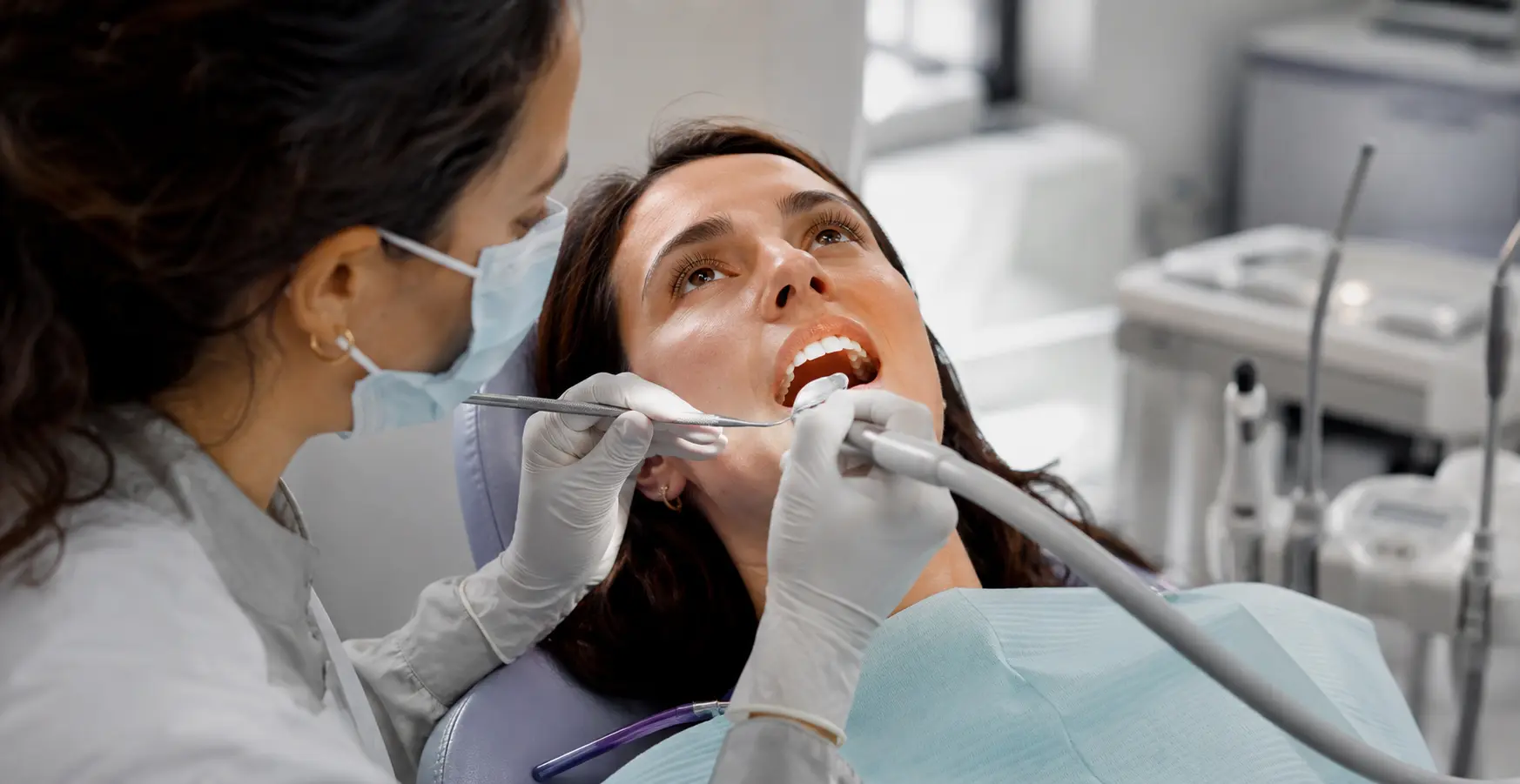
You catch your reflection and immediately think about your smile instead of feeling confident about it, and you’re wondering if veneers pros and cons are worth exploring as your next move.
Understanding veneers: what they are
Veneers are thin, custom-made shells typically crafted from porcelain or composite resin that bond directly to the front surface of your teeth. Think of them as a protective layer that covers imperfections while creating the appearance you want. They can address discoloration that whitening alone won’t fix, close gaps between teeth, reshape teeth that look too small or worn down, or lengthen teeth that have become shorter over time. A woman with naturally yellow teeth from years of coffee drinking might see dramatic results in just two appointments. Another might use veneers to fix a chipped tooth from an accident. The appeal is straightforward: veneers work quickly and look remarkably natural when placed by a skilled dentist. They’re not a substitute for good oral health, but rather an enhancement tool for those whose teeth structure is otherwise sound.
- Natural look and feel
- Stain-resistant and durable
- Non-invasive treatment
Pros of veneers for women
The benefits of veneers extend beyond simple aesthetics. Many women report a genuine shift in how they feel about themselves after getting veneers. You stop hiding your smile in photos or covering your mouth when you laugh. That confidence boost is real and measurable in how you interact with others. Results happen fast, typically within two to three appointments, which appeals to women with busy schedules who can’t wait months for orthodontics. Unlike braces, veneers require no ongoing adjustments or lifestyle changes. They’re also highly customizable: your dentist can match them to your skin tone, adjust the shape to complement your face, and create the exact shade you want. For women with naturally thin enamel or teeth that resist whitening, veneers offer a permanent solution. They handle staining better than natural teeth, so you don’t have to give up wine or coffee entirely. When cared for properly, they last 10 to 15 years or longer, making them a durable investment in your appearance.
📘 Fix your day in under 2 minuteschoose where to begin:
Cons of veneers for women
Before you commit, understand that veneers are irreversible. Your dentist must remove a thin layer of enamel from your teeth to make room for the shells, and that enamel doesn’t grow back. Once you start the process, you’re committed to veneers for life, meaning future replacements will be necessary. The cost is substantial, ranging from 800 to 2,500 dollars per tooth depending on material and location, and most insurance plans don’t cover cosmetic work. That’s a real financial barrier for many women. Veneers also require maintenance discipline: you must avoid biting hard objects, grinding your teeth at night, and be mindful of what you eat. Some women find they need a night guard to prevent damage from unconscious grinding. If a veneer chips or breaks, repair or replacement can be expensive. Additionally, veneers can sometimes look artificial if poorly placed, and they may not be suitable if you have significant decay, gum disease, or a history of teeth grinding. Sensitivity to hot and cold can occur temporarily after placement.
Preparing for veneers: what to expect
Your journey begins with a consultation where your dentist evaluates whether you’re a good candidate. They’ll examine your teeth for decay, gum health, and enamel thickness. X-rays help assess bone structure and tooth roots. This is when you discuss your goals honestly: do you want a subtle enhancement or a dramatic transformation? Bring reference photos of smiles you admire. Your dentist will discuss the shade, shape, and size that works with your face shape and skin tone. Many women find this collaborative process empowering because you’re actively designing your smile rather than accepting what’s given to you. Once you proceed, the first appointment involves tooth preparation, where a small amount of enamel is removed. Impressions are taken and sent to a lab to create your custom veneers. Temporary veneers protect your teeth while you wait. The second appointment involves fitting and bonding the permanent veneers. The entire process typically takes two to three weeks from start to finish.
Aftercare tips for veneers
Your veneers are only as good as the care you give them. Start with the basics: brush twice daily with a soft-bristled toothbrush and non-abrasive toothpaste, floss daily, and rinse with mouthwash. Avoid using your teeth as tools to open packages or bite nails, habits that can crack veneers. If you grind your teeth at night, wear a protective night guard without fail. Be mindful of staining agents like red wine, coffee, and tobacco, though veneers resist staining better than natural teeth. Hard foods like ice, nuts, and hard candy pose a real risk, so chew carefully. Schedule dental check-ups every six months so your dentist can monitor the veneers and surrounding gums. If you experience sensitivity, discomfort, or notice a veneer feels loose or looks discolored at the edges, contact your dentist immediately rather than waiting. With consistent care, your veneers will maintain their appearance and function for over a decade.
Veneers offer a transformative solution for enhancing your smile, but it’s essential to weigh the pros and cons before proceeding with the treatment. Understand the process, benefits, and potential drawbacks to make an informed decision that aligns with your dental goals.
Are veneers suitable for everyone?
Veneers may not be recommended for individuals with extensive dental issues or those who grind their teeth. Consult with your dentist to assess your eligibility for veneers.
Do veneers require special maintenance?
While veneers do not require specialized care, regular brushing, flossing, and dental visits are essential to ensure their longevity and effectiveness.
Others also read:
Disclaimer: This article is for informational purposes only and is not a substitute for professional medical advice. Always consult a healthcare professional for personal guidance.
This guide has been prepared and reviewed by the GlobalHealthBeacon editorial team and reflects current medical research as of 2026. It provides structured, evidence-based information to support informed health decisions.
