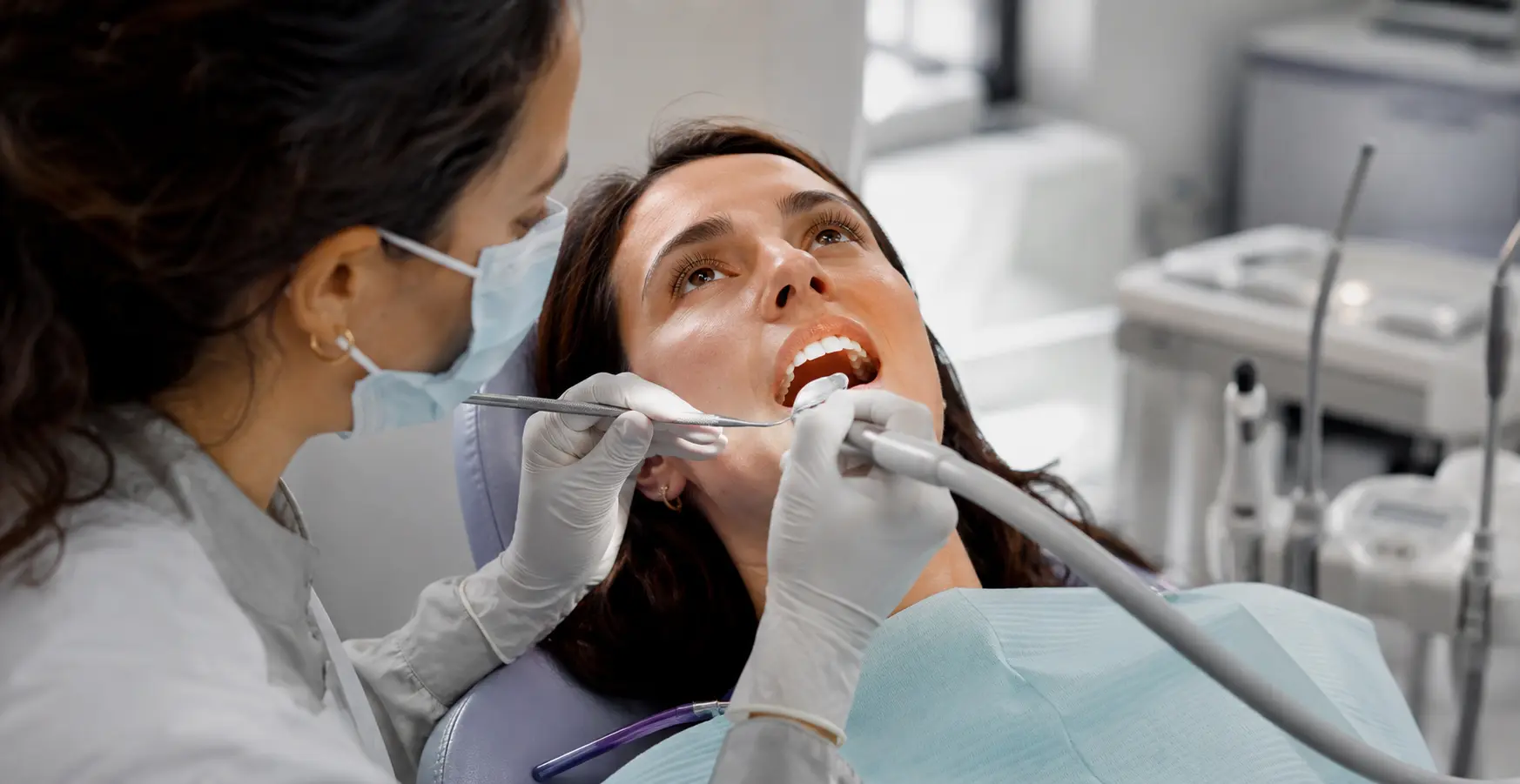
You catch your reflection and wince at those stained, worn teeth staring back at you, wondering if veneers pros and cons might finally be the answer to the smile you’ve been missing for years.
Understanding veneers
Veneers are thin shells, typically between 0.5 and 0.7 millimeters thick, crafted from either porcelain or composite resin materials. These custom-made shells are bonded to the front surface of your teeth to mask discoloration, chips, wear patterns, and minor misalignment. Think of them like a protective facade that covers visible tooth surfaces. Porcelain veneers are created in a laboratory using impressions of your teeth, while composite veneers are often applied directly in the dental office. The porcelain option tends to mimic natural tooth translucency more closely, reflecting light similarly to healthy enamel. For seniors, understanding this distinction matters because porcelain typically lasts longer, though it requires more preparation time. The process involves removing a thin layer of enamel, which is permanent and irreversible. This preparation is crucial for proper adhesion and a natural appearance, but it fundamentally changes your tooth structure.
Pros of veneers
Veneers deliver dramatic aesthetic improvements that many seniors find transformative. They resist staining far better than natural teeth, so coffee, red wine, and tobacco won’t compromise your results the way they might with natural enamel. Porcelain veneers can last 10 to 15 years or longer with proper care, making them a durable investment. The procedure is minimally invasive compared to crowns, which require more extensive tooth reduction. Many seniors appreciate that veneers address multiple concerns simultaneously: a single veneer can correct discoloration, close small gaps, and mask wear patterns all at once. The results look remarkably natural when designed by an experienced cosmetic dentist who understands age-appropriate proportions and shading. Unlike orthodontics, veneers work quickly, often requiring just two to three appointments. For someone who’s felt self-conscious about their smile for decades, this relatively swift transformation can significantly impact confidence and social engagement.
Cons of veneers
The irreversibility of veneers is the most significant drawback. Once your dentist removes enamel, that tooth structure is gone permanently, meaning you’ll need veneer replacements or alternative restorations indefinitely. Tooth sensitivity often increases after preparation, especially to temperature extremes, because the protective enamel layer is thinner. Some seniors experience sensitivity that persists even after veneers are placed. Veneers can chip or crack from biting hard objects, and while repairs are possible, they’re not always seamless. The veneer-tooth bond can fail over time, requiring replacement. Additionally, if gum disease develops or recedes, the veneer margin may become visible, creating an aesthetic problem. Seniors with existing gum issues or those prone to grinding their teeth face higher failure rates. The cost is substantial, and insurance typically doesn’t cover cosmetic procedures, making this an out-of-pocket expense that some find prohibitive.
- Consult with your dentist to evaluate your oral health status, including gum condition, existing cavities, and enamel thickness, which all influence whether veneers are appropriate for your situation.
- Discuss realistic outcomes based on your tooth color, shape preferences, and age-related considerations, ensuring your expectations align with what veneers can actually achieve.
- Review the complete cost breakdown, including initial placement, potential repairs, and eventual replacement timelines, so you understand the long-term financial commitment.
- Explore alternative treatments such as professional whitening, dental bonding, or orthodontics to compare effectiveness, durability, and cost against veneers.
- Ask about your dentist’s experience with seniors specifically, including their approach to maintaining natural proportions and handling age-related dental changes.
🔬 Science-backed benefits in 2 minuteschoose where to begin:
Long-term maintenance
Maintaining veneers requires commitment to oral hygiene practices that are actually quite straightforward. Brush twice daily with a non-abrasive toothpaste, as gritty formulas can scratch the veneer surface over time. Floss daily, being gentle around the veneer margins where the restoration meets your natural tooth. Avoid using your teeth as tools, which is especially important since veneers are more prone to chipping than natural teeth. Many seniors find that a water flosser works well if traditional floss feels awkward. Regular dental check-ups every six months allow your dentist to monitor the veneer bond and catch any problems early. Certain habits accelerate wear: grinding your teeth at night, chewing ice, or biting your nails can all damage veneers. If you grind, ask your dentist about a night guard. Limit staining foods and beverages if possible, though veneers resist stains better than natural teeth. With consistent care, many seniors report their veneers remain in excellent condition for well over a decade.
Cost considerations
Veneer pricing varies significantly based on material choice, complexity, and geographic location. A single porcelain veneer typically ranges from 800 to 2,000 dollars, while composite veneers cost less, usually between 250 and 1,200 dollars per tooth. Most seniors considering a smile transformation need multiple veneers, so costs accumulate quickly. A full smile makeover involving 8 to 10 veneers can easily exceed 10,000 dollars. Composite veneers cost less upfront but require replacement sooner, typically lasting 5 to 7 years compared to porcelain’s 10 to 15 years. This means the long-term cost per year of composite may actually exceed porcelain when you factor in replacements. Dental insurance rarely covers cosmetic procedures, leaving you responsible for the entire expense. Some practices offer payment plans, which can make veneers more accessible. Before committing, get quotes from multiple dentists and understand exactly what’s included: some charge separately for design consultation, tooth preparation, or adjustments. Consider whether the investment aligns with your budget and whether alternative treatments might provide acceptable results at lower cost.
Alternative options
Seniors have several cosmetic dental alternatives worth exploring before choosing veneers. Professional teeth whitening can dramatically improve appearance if discoloration is your primary concern, costing significantly less and requiring no tooth preparation. Dental bonding uses tooth-colored composite resin to mask chips and small gaps, though it’s less durable than veneers and stains more easily over time. Orthodontic treatments, including clear aligners designed for adults, can address misalignment without permanent tooth modification, though they require months of wear. Crowns are appropriate if teeth are severely damaged or decayed, providing full coverage rather than just the front surface. Gum contouring can enhance your smile if excessive gum tissue is the issue. Some seniors combine approaches: whitening plus bonding, or veneers on front teeth with crowns on back teeth. Each option has distinct advantages and limitations. Whitening is reversible but temporary. Bonding is less invasive but less durable. Orthodontics takes longer but preserves tooth structure. Your dentist can help match the right solution to your specific concerns and priorities.
Veneers represent a significant cosmetic dental option for seniors seeking smile enhancement, offering dramatic aesthetic improvements and durability when properly maintained. However, they demand careful consideration of irreversibility, long-term costs, and maintenance requirements. Understanding both the advantages and limitations helps you make a decision aligned with your values, budget, and expectations. Consulting with an experienced cosmetic dentist who understands age-related dental changes is essential before proceeding.
Are veneers suitable for everyone?
Veneers work best for people with healthy teeth and gums. They’re not ideal if you have active gum disease, severe decay, very thin enamel, or a history of teeth grinding without protection. A thorough dental evaluation can determine your candidacy and identify any underlying issues that need treatment first.
Do veneers require special care?
Veneers don’t require special care beyond excellent oral hygiene. Brush gently with non-abrasive toothpaste, floss daily, and visit your dentist regularly. Avoid habits like grinding your teeth, chewing ice, or using teeth as tools. With consistent care, veneers maintain their appearance and function for many years.
Others also read:
Disclaimer: This article is for informational purposes only and is not a substitute for professional medical advice. Always consult a healthcare professional for personal guidance.
This article has been prepared and reviewed by the GlobalHealthBeacon editorial team and is based on current medical research and published scientific literature available in 2026. It provides structured, evidence-based information to support informed health decisions.
