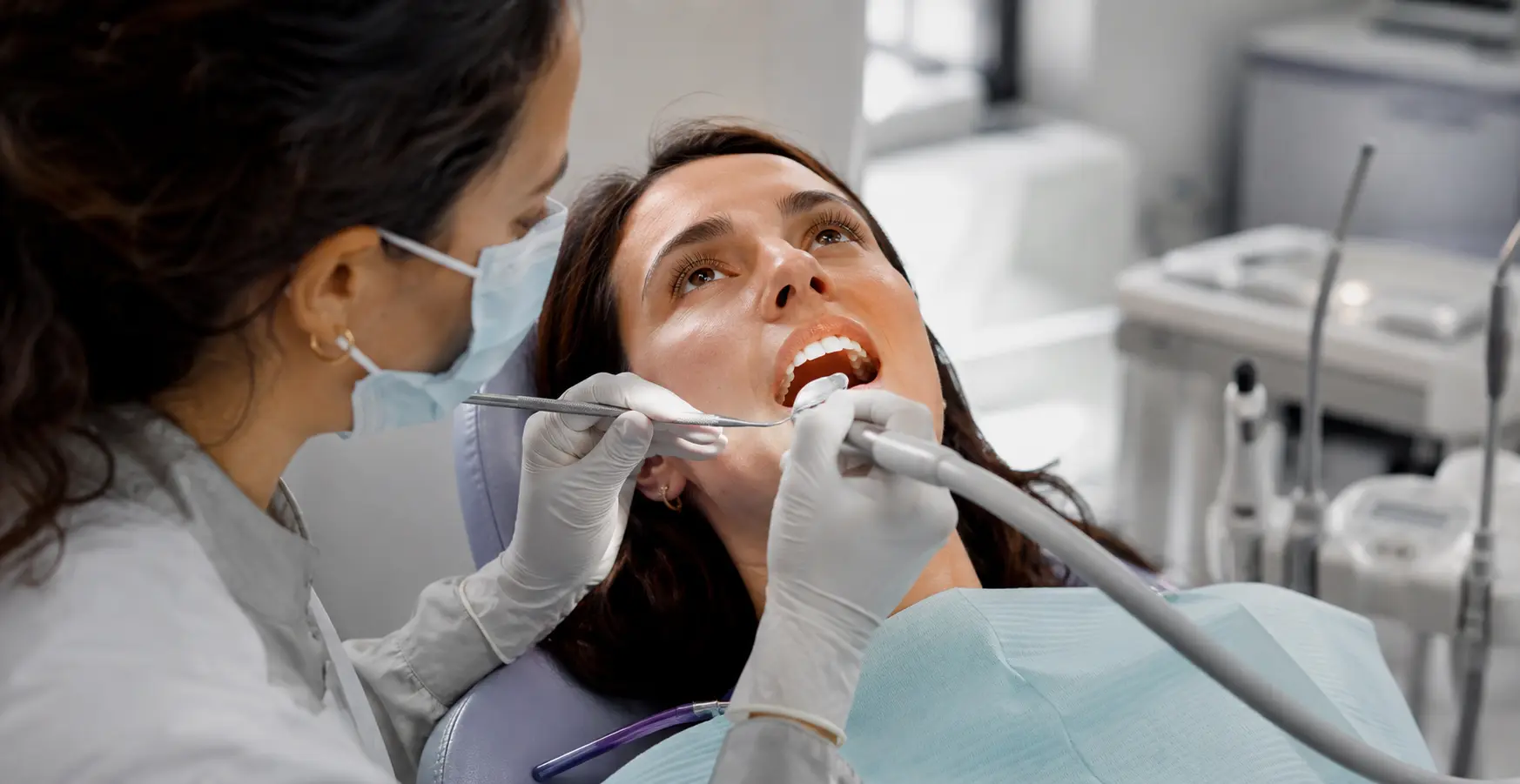
You’re tired of hiding your smile in photos, scrolling past flawless celebrity teeth, and wondering if veneers pros and cons actually matter when you just want to feel confident again.
The promise of veneers
Veneers are wafer-thin shells typically crafted from porcelain or composite resin, designed to bond directly to the front surface of your teeth. Think of them as custom-fitted covers that address multiple cosmetic concerns simultaneously. A woman with yellowed teeth from years of coffee consumption, a gap between her front teeth, or slightly misshapen molars can see dramatic visual transformation within weeks rather than months or years. The appeal is straightforward: veneers offer a relatively quick pathway to the smile you’ve imagined. Porcelain veneers, in particular, mimic the light-reflecting properties of natural tooth enamel, creating a result that feels authentically yours rather than obviously artificial. The process begins with a consultation where your dentist evaluates your tooth structure, discusses your aesthetic goals, and explains what’s realistically achievable based on your unique dental anatomy.
Pros of veneers
The benefits of veneers extend beyond simple aesthetics. Porcelain veneers resist staining far better than natural tooth enamel, meaning that morning coffee or red wine won’t gradually darken your smile over time. They’re also remarkably durable when properly maintained, often lasting 10 to 15 years before requiring replacement. Each veneer is custom-designed to match your natural tooth color, shape, and even the subtle translucency of healthy enamel, creating seamless integration with your existing teeth. Many women report a significant confidence boost after veneer placement, describing improvements in social interactions, professional presentations, and overall self-image. The procedure is relatively non-invasive compared to other cosmetic dental work, and results are immediate rather than gradual. Additionally, veneers can sometimes address minor alignment issues without requiring orthodontic treatment, offering a faster alternative for those seeking quick cosmetic improvement.
Cons of veneers
The reality of veneers involves permanent alterations to your natural tooth structure. Your dentist must remove a thin layer of enamel from the front of each tooth to create space for the veneer shell, and this process cannot be reversed. Once enamel is removed, your tooth becomes more sensitive to temperature changes, and some women experience discomfort when consuming very hot or cold foods immediately after placement. Veneers also require replacement eventually due to normal wear and tear, meaning you’re committing to ongoing dental maintenance costs. If a veneer chips or cracks, repair options are limited, sometimes requiring complete replacement of that single veneer. Additionally, veneers don’t address underlying dental health issues like gum disease or decay, and they require the same rigorous oral hygiene as natural teeth. Some women find that their bite feels slightly different initially, requiring an adjustment period. The irreversible nature of the procedure means this decision carries long-term implications worth careful consideration.
- Consult with a qualified dentist to discuss your suitability for veneers and explore whether your tooth structure and gum health support the procedure.
- Consider the long-term implications of altering your natural teeth before proceeding, including potential sensitivity and future replacement costs.
- Research different types of veneers and their unique features, comparing porcelain durability against composite resin affordability to make an informed choice aligned with your priorities.
🔬 Science-backed benefits in 2 minuteschoose where to begin:
Cost considerations
Veneer pricing varies significantly based on material selection and the number of teeth being treated. Porcelain veneers typically range from 800 to 2,500 dollars per tooth, while composite resin alternatives cost between 250 and 1,200 dollars per tooth. Most dental insurance plans classify veneers as cosmetic procedures and don’t cover them, meaning the entire cost falls on you. A full smile makeover involving 8 to 10 veneers can easily exceed 10,000 dollars with premium materials and experienced cosmetic dentists. Beyond initial placement, you’ll need to budget for maintenance visits, potential repairs, and eventual replacement. Some dentists offer payment plans to make veneers more accessible, and it’s worth asking about financing options during your consultation. Understanding the true lifetime cost of veneers helps you evaluate whether this investment aligns with your financial priorities and long-term dental goals.
Maintenance and care
Protecting your veneers requires consistent daily habits and professional oversight. Brush gently with a non-abrasive toothpaste twice daily, avoiding aggressive scrubbing that can weaken the bond between veneer and tooth. Floss carefully around veneer edges where bacteria can accumulate, and consider using a water flosser if traditional floss feels awkward near the veneer margins. Avoid habits that stress your veneers, such as chewing ice, biting your nails, or using your teeth to open packages. If you grind your teeth at night, discuss a custom night guard with your dentist to prevent veneer damage during sleep. Schedule professional cleanings every six months, and alert your hygienist to the presence of veneers so they use appropriate cleaning techniques. Certain foods and beverages like dark red wine, beets, and curry can stain the margins where veneers meet natural tooth, so rinse your mouth after consuming these items. With thoughtful care, your veneers can maintain their appearance and function for well over a decade.
Seek professional advice
Your decision about veneers deserves input from a qualified cosmetic dentist who understands your unique dental anatomy and aesthetic vision. During a consultation, a skilled dentist will examine your tooth structure, assess your bite alignment, evaluate your gum health, and discuss realistic outcomes based on your specific situation. They should explain the irreversible nature of the procedure clearly and answer your questions honestly rather than overselling results. Ask to see before-and-after photos of previous patients with similar tooth shapes and concerns to your own. Discuss alternative options like teeth whitening, bonding, or orthodontics to ensure veneers are truly the best choice for your goals. A reputable cosmetic dentist will also discuss potential complications, sensitivity management, and long-term maintenance requirements. Trust your instincts about whether you feel heard and respected during the consultation, as this relationship will extend across years of follow-up care and potential adjustments.
Veneers offer a transformative solution for achieving a polished smile but come with significant considerations including irreversible changes to natural teeth, ongoing maintenance requirements, and substantial financial investment. Consulting with a qualified dentist and carefully weighing the veneers pros and cons will help you make an informed decision that aligns with your values, budget, and long-term dental health.
Are veneers permanent?
Veneers are considered a permanent dental procedure because they involve removing enamel from your natural teeth, which cannot grow back. While the veneers themselves can last 10 to 15 years with proper care, they will eventually need replacement due to wear and tear. The underlying tooth structure remains altered permanently, even if you choose not to replace a veneer.
Do veneers look natural?
When properly designed and crafted by a skilled cosmetic dentist, veneers can closely resemble natural teeth in color, shape, and translucency. Modern porcelain veneers mimic the light-reflecting properties of healthy enamel, creating results that blend seamlessly with your remaining natural teeth. The key to natural appearance lies in customization and the dentist’s artistic skill in matching your unique tooth characteristics.
Others also read:
Disclaimer: This article is for informational purposes only and is not a substitute for professional medical advice. Always consult a healthcare professional for personal guidance.
This article has been prepared and reviewed by the GlobalHealthBeacon editorial team and is based on current medical research and published scientific literature available in 2026. It provides structured, evidence-based information to support informed health decisions.
