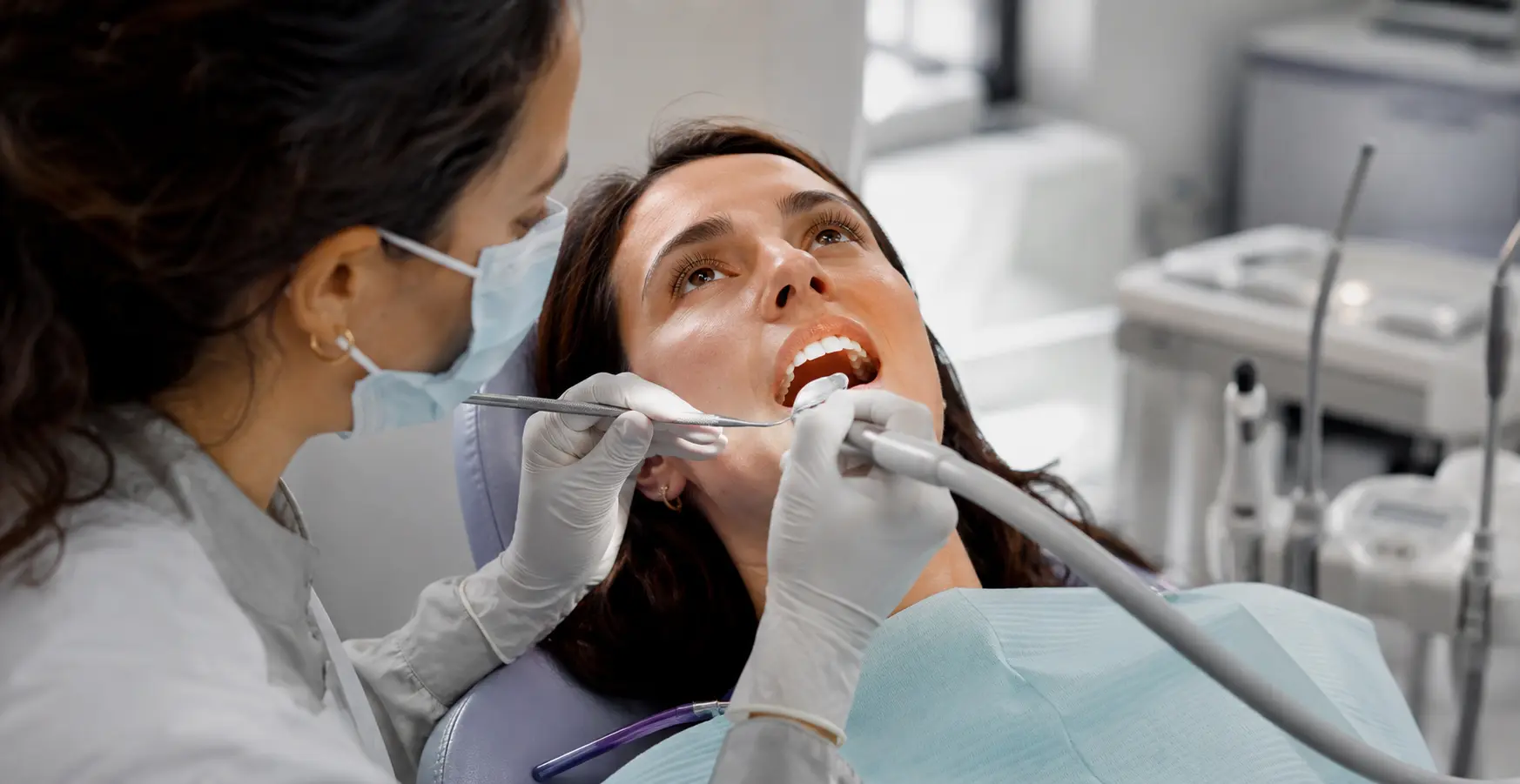
You’re scrolling through Instagram, seeing those impossibly perfect smiles, and wondering if veneers pros and cons are worth the hype or just another cosmetic trap that’ll leave you broke and regretting everything.
Understanding veneers: a closer look
Veneers are thin shells, typically between 0.5 and 0.7 millimeters thick, made from either porcelain or composite resin that bond directly to the front surface of your teeth. Think of them like custom-fitted covers that sit over your existing tooth structure. Porcelain veneers are created in a lab using impressions of your teeth, while composite veneers are applied and shaped directly in the dentist’s chair. They can address a range of aesthetic concerns including stubborn discoloration that whitening can’t fix, minor misalignment issues, gaps between teeth, chips from accidents, or simply reshaping teeth that feel too small or oddly proportioned. The appeal is straightforward: they offer a relatively quick way to transform your smile without the years of orthodontic treatment. For someone who’s been self-conscious about their teeth since high school, veneers represent a tangible solution that actually delivers visible results within weeks.
Pros of veneers: enhancing your smile
The advantages of veneers extend beyond just looking better. Porcelain veneers are highly stain-resistant because the material doesn’t absorb pigments the way natural tooth enamel does, meaning your smile stays bright even if you’re a coffee drinker or red wine enthusiast. They’re also durable, typically lasting 10 to 15 years with proper care, which makes them a solid long-term investment compared to temporary cosmetic fixes. The color and shape can be customized to match your preferences and facial proportions, giving you control over how dramatic or subtle the change is. From a functional perspective, veneers don’t require the extensive tooth reduction that crowns do, which means more of your natural tooth structure remains intact. Many young adults appreciate that veneers can be a confidence booster without requiring major life changes or recovery time. You get the procedure done and walk out with a new smile the same day with composite veneers, or within two appointments with porcelain.
Cons of veneers: considerations before opting
Here’s where the reality check matters. The veneer process is irreversible because your dentist must remove a thin layer of enamel from the front of your tooth to make room for the veneer to sit flush. Once that enamel is gone, it doesn’t grow back, so you’re committed to having some form of restoration on that tooth for life. Some people experience temporary sensitivity to hot and cold after the procedure as the enamel layer thins, though this usually subsides within weeks. Veneers can chip or crack if you bite down on hard objects like ice, hard candy, or use your teeth as tools, which is more common than you’d think among young adults who aren’t used to being careful with their teeth. There’s also the cost factor: porcelain veneers typically run 900 to 2500 dollars per tooth, and most people get at least four to six done for a noticeable smile transformation. If a veneer fails or needs replacement, you’re looking at additional expenses. Additionally, not everyone is a candidate; if you have significant gum disease, weak teeth, or severe misalignment, your dentist might recommend other treatments first.
- Consult with a qualified dentist to discuss your expectations and concerns, bringing reference photos of smiles you admire to clarify your vision.
- Undergo a thorough evaluation of your oral health to ensure you are a suitable candidate for veneers, including assessment of gum health and existing tooth structure.
- Explore alternative treatments or options to address your dental needs, such as professional whitening, orthodontics, or bonding, to understand which solution fits your situation best.
🔬 Science-backed benefits in 2 minuteschoose where to begin:
Veneers vs. reality: debunking myths
One persistent myth is that veneers weaken your teeth or damage them permanently. The reality is more nuanced. The tooth itself remains structurally sound because veneers bond to the enamel layer, which is already non-living tissue. What actually happens is that the veneer becomes part of your tooth’s protective system, adding a durable layer on top. Research shows that properly placed veneers can withstand normal biting forces and everyday chewing without issue. Another misconception is that veneers look fake or overly bright. Modern veneers, especially porcelain ones, are designed to mimic natural tooth translucency and can be customized to match your surrounding teeth perfectly. The problem usually occurs when someone requests an unrealistically bright shade or when a dentist doesn’t account for the patient’s facial features and skin tone. A well-done veneer should be indistinguishable from a natural tooth. The key is working with an experienced cosmetic dentist who understands aesthetics, not just the technical application.
Maintaining veneers: the key to longevity
Keeping veneers in good condition requires consistency but isn’t complicated. You brush and floss just like you would with natural teeth, though some dentists recommend using a non-abrasive toothpaste to avoid scratching the veneer surface over time. Regular dental check-ups every six months allow your dentist to monitor the bond between the veneer and your tooth and catch any early signs of wear. The biggest threat to veneer longevity is habits many young adults don’t think about: biting your nails, chewing on pen caps, opening packages with your teeth, or grinding your teeth at night. If you grind your teeth, your dentist might recommend a night guard to protect your veneers from excessive force. Avoiding hard foods like nuts, hard candy, and ice also extends their lifespan significantly. Some people find that being more mindful of how they use their teeth actually improves their overall dental health. It’s less about restriction and more about developing awareness of habits that damage teeth in general.
Cost-benefit analysis: weighing your options
The decision to get veneers ultimately comes down to what matters most to you and your financial situation. If you’re spending 5000 to 15000 dollars on a full smile transformation, that’s a significant investment that should align with your priorities and goals. Consider whether the boost to your confidence and how you feel about your appearance justifies the cost and commitment. For some young adults, that answer is absolutely yes, especially if they’ve been self-conscious about their smile for years and it’s affecting their social or professional life. For others, exploring less invasive options like professional whitening or orthodontics might be more appropriate first steps. Think about your lifestyle too: if you play contact sports, grind your teeth, or have habits that put your teeth at risk, veneers might not be the best choice right now. The intricacies of the procedure, the maintenance requirements, and the irreversible nature all deserve careful consideration. Taking time to consult with multiple dentists, asking questions, and being honest about your expectations helps ensure you make a decision you won’t regret.
Veneers represent a legitimate option for smile enhancement, offering aesthetic benefits and durability when applied by a skilled professional. The decision requires balancing the advantages against costs, maintenance demands, and the irreversible nature of the procedure. Understanding both the scientific reality and your personal priorities ensures you make an informed choice aligned with your dental goals and lifestyle.
Are veneers a permanent solution?
Veneers are considered a long-term but not permanent solution, as they may require replacement after 10 to 15 years depending on maintenance and wear patterns. They are a durable option for smile enhancement, though the underlying tooth structure remains yours for life.
Do veneers damage natural teeth?
Veneers do not damage natural teeth when applied by a skilled dentist. The enamel removal is minimal and necessary for proper fit. In fact, they provide additional protection to the underlying tooth structure, enhancing both aesthetics and function once bonded.
Others also read:
Disclaimer: This article is for informational purposes only and is not a substitute for professional medical advice. Always consult a healthcare professional for personal guidance.
This article has been prepared and reviewed by the GlobalHealthBeacon editorial team and is based on current medical research and published scientific literature available in 2026. It provides structured, evidence-based information to support informed health decisions.
