You catch your reflection mid-laugh and immediately close your mouth, that split-second shame hitting hard, and suddenly you’re researching veneers pros and cons at midnight because hiding your smile has become your default setting.
The beauty of veneers: enhancing your smile
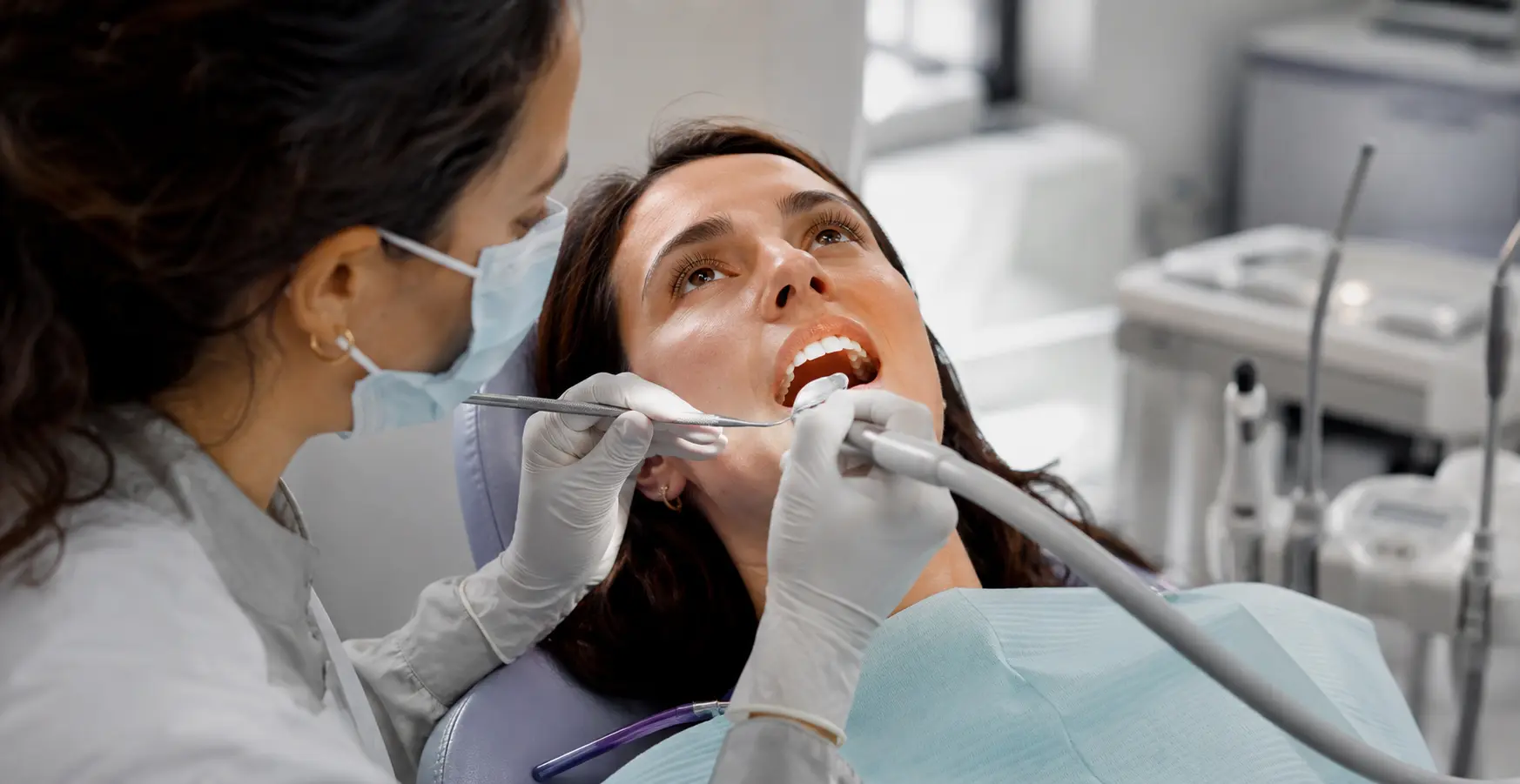
I remember Sarah, a marketing manager in her early thirties, who spent years avoiding photos at company events. Her teeth had yellowed from years of coffee, and a childhood accident left a visible chip on her front tooth. When she finally got veneers, the transformation wasn’t just physical. She told me she felt like she’d reclaimed a part of herself she’d been hiding. Veneers work by covering your existing teeth with thin, custom-made shells that mimic natural tooth color and shape. The process typically takes two to three appointments. What makes them appealing is the speed of transformation and the durability. Unlike whitening treatments that fade over time, veneers resist staining from coffee, wine, and smoking. They’re customizable to match your natural teeth shade, shape, and even tiny imperfections that make smiles look authentic. Women report feeling more confident in social situations, professional settings, and intimate moments. The psychological boost often extends beyond just smiling more freely.
- Instant transformation for a radiant smile
- Durable and stain-resistant for long-lasting results
- Customizable to match your natural teeth for a seamless blend
Considerations before opting for veneers
Before you book that consultation, here’s what dentists don’t always emphasize upfront. The veneer process is irreversible because your natural teeth need to be shaved down to accommodate the shells. This means once you start, you’re committed to veneers for life, though they’ll need replacing every ten to fifteen years. Consider Jessica’s story. She got veneers at twenty-eight and loved them initially, but by year twelve, she noticed her gums receding slightly and experienced increased sensitivity when eating ice cream or drinking cold water. She also had to adjust her eating habits, avoiding hard candies and being careful with sticky foods. The financial commitment matters too. Veneers cost between eight hundred to two thousand dollars per tooth, and most insurance won’t cover them since they’re cosmetic. You’ll also need to maintain impeccable oral hygiene. Flossing becomes non-negotiable, and you may need special toothpaste for sensitive teeth. Think honestly about whether you’re ready for this level of commitment and ongoing care.
💬 Ready to feel better in 2 minutes?choose where to begin:
The downside of veneers: potential drawbacks
Let’s be real about the risks nobody wants to discuss. Tooth sensitivity is incredibly common in the first few weeks after veneer placement, sometimes lingering longer. During preparation, your dentist removes a thin layer of enamel, exposing the dentin underneath, which is more porous and sensitive to temperature changes. Some women experience chipping or cracking of veneers from accidents or habits like nail-biting or using teeth to open packages. There’s also the risk of veneer failure if the bonding material weakens, causing them to lift or fall off entirely. Natalie learned this the hard way when a veneer came loose while eating popcorn at a movie, leaving her mortified and facing an emergency dental visit. Additionally, if your natural teeth underneath decay, you may not notice until significant damage has occurred because the veneer covers the problem. Some women also report that veneers feel slightly bulkier than natural teeth, affecting their speech or causing a slight lisp initially. The psychological pressure of maintaining a perfect smile can also be surprisingly stressful. These aren’t reasons to avoid veneers, but they’re real considerations that deserve honest acknowledgment before you commit.
Maintenance and follow-up care
Getting veneers is just the beginning. Think of them like a beautiful car that requires regular maintenance to stay pristine. Schedule dental check-ups every six months so your dentist can monitor the veneer edges and the underlying tooth structure. Brush gently with a soft-bristled toothbrush and avoid abrasive whitening toothpastes that can dull the veneer surface. Floss daily, using a gentle sawing motion rather than snapping the floss against your gums, which can damage the veneer edges. Many women find that water picks are gentler alternatives to traditional flossing. Avoid habits that stress your veneers: don’t use your teeth as tools, resist grinding your teeth at night (a night guard helps), and be cautious with hard or sticky foods. Michelle, a yoga instructor, discovered that her stress-induced teeth grinding was compromising her veneers, so she invested in a custom night guard. She also adjusted her diet slightly, cutting back on hard nuts and chewy candies. With consistent care and mindful habits, veneers can genuinely last fifteen years or longer, making them a worthwhile investment in your smile and confidence.
Veneers provide a transformative solution for smile imperfections, enhancing confidence and appearance. However, they require careful consideration due to potential risks and maintenance needs. Understanding the pros and cons can help you make an informed decision about improving your smile.
Are veneers a permanent solution?
Veneers are a long-term but not permanent solution. They may need replacement over time due to wear and tear or changes in your natural teeth.
Do veneers feel like natural teeth?
Veneers are thin shells that mimic natural teeth but may feel slightly different. With time, you’ll get accustomed to the new sensation.
Others also read:
Disclaimer: This article is for informational purposes only and is not a substitute for professional medical advice. Always consult a healthcare professional for personal guidance.
This article presents an experience-based perspective and has been reviewed by the GlobalHealthBeacon editorial team in 2026. It provides structured, evidence-based information to support informed health decisions.
