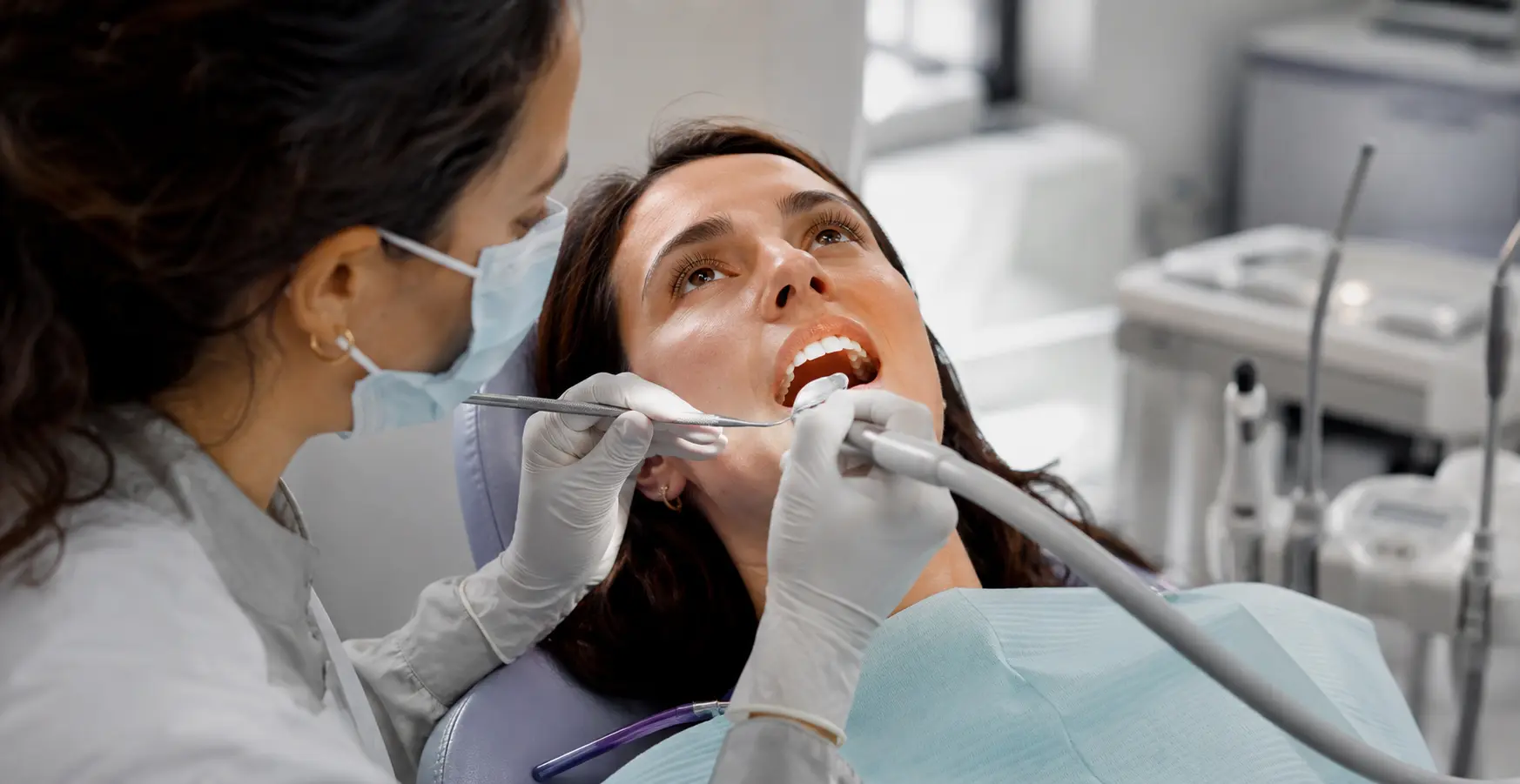
You catch your reflection and wince at the stains, chips, and gaps that have accumulated over decades, wondering if veneers pros and cons might finally give you back the smile you lost somewhere between raising kids and retirement.
Understanding veneers: a comprehensive overview
Veneers are thin, custom-made shells typically crafted from porcelain or composite resin that bond directly to the front surface of your teeth. Think of them as a cosmetic overlay that addresses surface-level dental imperfections without requiring extensive reconstruction. For seniors, they represent a middle-ground solution between simple whitening and full crown replacement. A porcelain veneer is stronger and more stain-resistant, while composite resin offers a quicker application and lower initial cost. The process involves removing a thin layer of enamel from your tooth surface, then permanently adhering the veneer with dental cement. Each veneer is individually crafted to match your natural tooth shape, size, and color, creating a seamless appearance. Many seniors find veneers appealing because they address multiple concerns simultaneously: discoloration from years of coffee or wine, small chips from accidents, minor gaps, or slight misalignment without the commitment of orthodontics.
- Veneers are custom-made to match the shape, size, and color of your natural teeth.
- They are a minimally invasive way to enhance your smile without extensive dental work.
- Veneers are durable and can last for many years with proper care.
Pros of veneers for seniors
Veneers offer several genuine advantages that resonate with older adults seeking smile improvement. First, they deliver rapid transformation. Unlike teeth whitening that fades or orthodontics that takes years, veneers typically require just two to three appointments and produce immediate, dramatic results. Second, they boost psychological well-being. Research consistently shows that seniors who improve their smile report increased confidence in social situations, better engagement with family photos, and reduced self-consciousness when speaking or laughing. Third, veneers require minimal tooth alteration compared to crowns, which demand extensive grinding. Fourth, they address multiple issues at once: a single veneer can correct discoloration, fill a gap, and hide a chip simultaneously. Fifth, porcelain veneers resist staining far better than natural teeth, meaning your smile stays bright longer. Finally, they are reversible in concept, though practically speaking, once enamel is removed, it does not regenerate. Many seniors appreciate that veneers feel natural and function like real teeth without dietary restrictions or special cleaning routines.
📘 Fix your day in under 2 minuteschoose where to begin:
Cons of veneers for seniors
The downsides deserve serious consideration before committing. Cost is the primary barrier: veneers typically range from 800 to 2,500 dollars per tooth, and most insurance plans classify them as cosmetic and refuse coverage. A full smile makeover involving six to eight veneers can easily exceed 10,000 dollars. Second, the procedure is irreversible. Once your dentist removes that layer of enamel, it is gone permanently. Your tooth becomes dependent on the veneer for protection and appearance. If a veneer fails or you change your mind years later, you cannot simply remove it and return to your original tooth. Third, veneers can chip, crack, or crack under pressure. Biting down on hard candy, ice, or using your teeth as tools can damage them. Seniors with grinding habits or who clench their teeth at night face higher risk. Fourth, veneers may eventually need replacement, adding future costs. Fifth, some people experience sensitivity to temperature after veneer placement because the enamel removal exposes the dentin layer. Finally, veneers require a dentist with genuine cosmetic expertise; poor placement looks artificial and obvious.
Factors to consider before getting veneers
Before scheduling your veneer consultation, evaluate your specific situation honestly. First, assess your oral health foundation. Veneers only work on healthy teeth and gums. If you have active decay, gum disease, or bone loss, your dentist will address these issues first, potentially delaying veneer placement by months. Second, consider your budget realistically. Can you afford the initial investment and potential future replacements? Some dental offices offer payment plans, but you will still bear the cost. Third, evaluate your lifestyle and habits. Do you grind your teeth at night? Do you chew ice or hard candy? Do you play contact sports? These factors increase veneer damage risk. Fourth, think about your expectations. Veneers create a beautiful smile, but they cannot change your overall facial structure or address issues like severe bite problems. Fifth, discuss your specific concerns with your dentist. Perhaps only two or three veneers address your main issues rather than a full set. Sixth, ask about your dentist’s experience with veneers specifically. Cosmetic dentistry requires specialized training and an artistic eye. Finally, consider your age and life expectancy. If you are in your eighties with significant health concerns, the long-term investment may not align with your priorities.
Veneers vs. alternative options for seniors
Veneers are not your only path to smile improvement, and alternatives may suit your situation better. Professional teeth whitening costs 300 to 1,000 dollars and works well if discoloration is your primary concern, though results fade over time and do not address chips or gaps. Dental bonding uses tooth-colored composite resin directly applied to your tooth surface, costs 150 to 400 dollars per tooth, and requires no enamel removal, but it stains more easily and lasts only five to seven years. Crowns cost 1,000 to 3,000 dollars per tooth and work best when your tooth is already damaged or weakened, but they require more tooth removal than veneers. Orthodontics or clear aligners straighten teeth over time but take months to years and cost 3,000 to 8,000 dollars. Gum contouring reshapes your gum line if your smile shows too much gum, costing 500 to 3,000 dollars. Implants replace missing teeth but involve surgery and cost 4,000 to 6,000 dollars per tooth. Your dentist can help you weigh these options based on your specific dental issues, budget, timeline, and goals. Sometimes a combination approach works best.
Veneers offer seniors a powerful way to transform their smile and reclaim confidence, but they represent a significant financial and permanent commitment. The decision hinges on your specific dental concerns, budget capacity, oral health foundation, and lifestyle factors. Before proceeding, consult with an experienced cosmetic dentist, understand the irreversible nature of the procedure, explore alternative options, and honestly assess whether the investment aligns with your priorities and expectations. This is a personal choice that deserves careful thought, not impulse.
Are veneers suitable for older adults?
Yes, veneers work well for seniors in good oral health. Age alone is not a barrier. However, your dentist must evaluate your specific situation: gum health, bone density, any existing dental work, and your ability to maintain them. Some seniors are ideal candidates; others may benefit more from alternative treatments. A thorough consultation determines your suitability.
How long do veneers typically last?
Porcelain veneers typically last 10 to 15 years with proper care, though some last 20 years or longer. Composite resin veneers last 5 to 7 years. Longevity depends on your oral hygiene habits, whether you grind your teeth, your diet, and the skill of your dentist. Regular dental check-ups, avoiding hard foods, and not using your teeth as tools all extend lifespan.
Others also read:
Disclaimer: This article is for informational purposes only and is not a substitute for professional medical advice. Always consult a healthcare professional for personal guidance.
This guide has been prepared and reviewed by the GlobalHealthBeacon editorial team and reflects current medical research as of 2026. It provides structured, evidence-based information to support informed health decisions.
