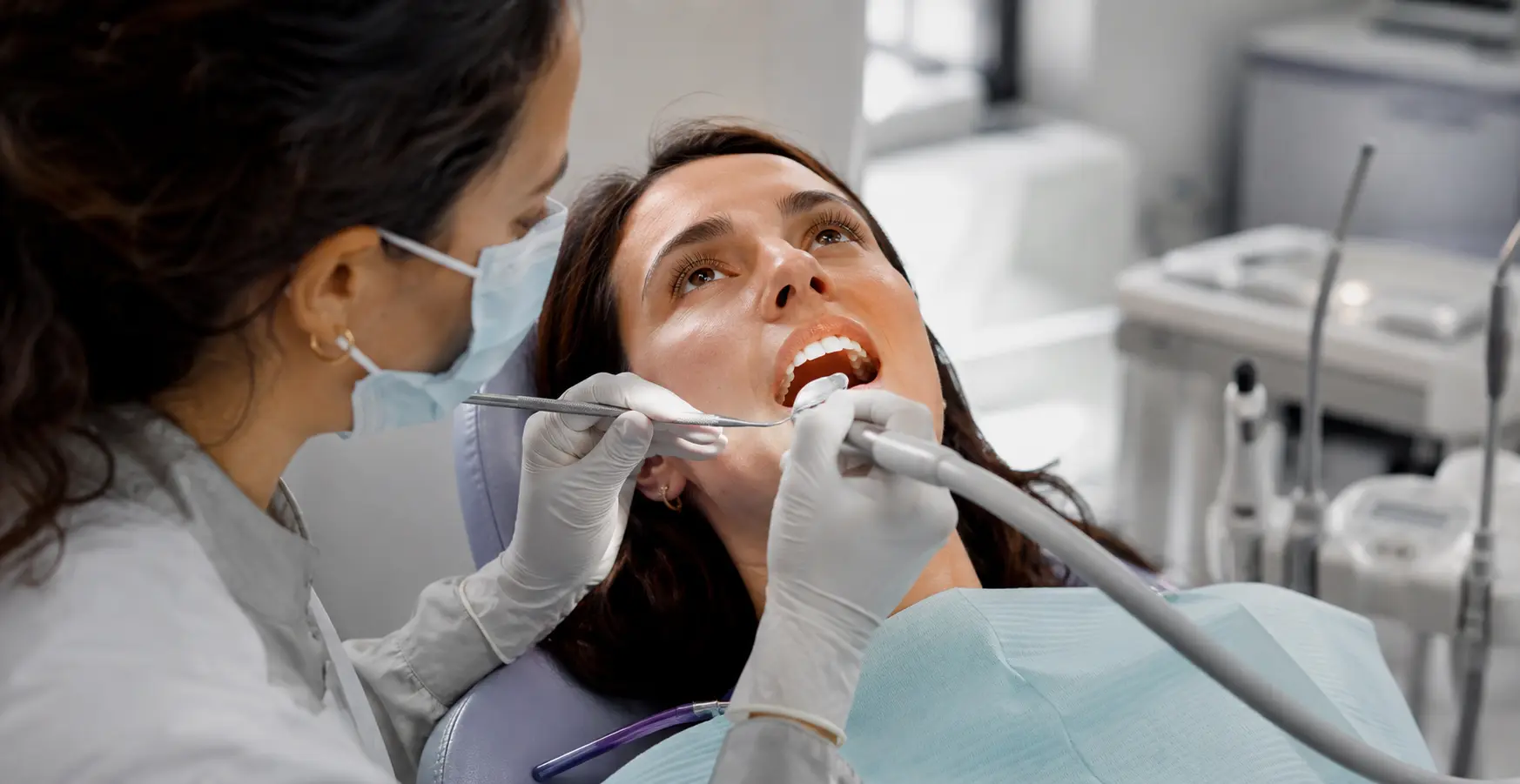
You catch your reflection and wince at those stained, chipped teeth staring back at you, wondering if you’re stuck looking this way forever, but understanding veneers pros and cons might just be the clarity you need to reclaim your smile with confidence.
Understanding veneers: the basics
Veneers are thin, custom-crafted shells typically made from porcelain or composite resin that bond directly to the front surface of your teeth. Think of them as a protective facade that covers visible tooth imperfections while maintaining the structural integrity of your natural tooth underneath. Porcelain veneers, the more durable option, are fabricated in a dental laboratory to match your exact tooth shade and contour. Composite resin veneers, by contrast, are applied and shaped directly in your dentist’s office. These shells work by masking discoloration that resists whitening treatments, filling in chips and cracks, closing gaps between teeth, and correcting minor misalignment issues. For seniors specifically, veneers offer a way to address years of wear and staining without requiring extensive orthodontic treatment. The thickness of a veneer is roughly equivalent to a contact lens, making them minimally invasive compared to other cosmetic dental procedures.
The process of getting veneers
Your veneer journey begins with a comprehensive consultation where your dentist evaluates your oral health, discusses your aesthetic goals, and determines candidacy. During this initial appointment, your dentist examines your teeth for decay, gum disease, or structural weakness that might compromise veneer success. If you’re a suitable candidate, the preparation phase involves carefully removing a thin layer of enamel from the front surface of your tooth, typically about 0.5 millimeters. This removal creates space for the veneer to sit flush with your natural tooth contour. Your dentist then takes precise impressions or digital scans that are sent to a dental laboratory where skilled technicians craft your custom veneers over one to two weeks. During this waiting period, temporary veneers may be placed to protect your prepared teeth. Once your permanent veneers arrive, your dentist checks the fit and color match, makes any necessary adjustments, and bonds them securely using a specialized adhesive that hardens under a curing light.
Pros and cons of veneers
Veneers offer compelling advantages for seniors seeking smile enhancement. Porcelain veneers resist staining from coffee, tea, and red wine far better than natural enamel, maintaining their brightness for years. They create a natural appearance when properly designed, with light-reflecting properties that mimic real tooth structure. The procedure requires minimal tooth alteration compared to crowns, preserving more of your original tooth. However, significant drawbacks exist. The cost typically ranges from 800 to 2000 dollars per tooth, making a full smile makeover a substantial investment. The process is essentially permanent because once enamel is removed, it cannot regenerate, meaning you’re committed to veneer maintenance indefinitely. Some patients experience temporary sensitivity to hot and cold foods immediately after preparation, though this usually subsides. Veneers can chip or crack if you bite down on hard objects like ice or hard candy. Additionally, if your gums recede over time, the veneer edge may become visible, revealing the tooth preparation underneath. Composite veneers are less expensive but require more frequent maintenance and replacement every five to seven years.
- Consult with your dentist to determine if veneers align with your dental health status and aesthetic goals, discussing realistic expectations and timeline.
- Undergo a thorough examination including X-rays and gum assessment to ensure your teeth are healthy enough for the veneer procedure and that no underlying decay exists.
- Discuss the expected outcomes, complete cost breakdown including lab fees, potential risks including sensitivity and chipping, and maintenance requirements before committing to treatment.
🔬 Science-backed benefits in 2 minuteschoose where to begin:
Maintaining veneers
Veneer longevity depends heavily on your daily care habits and lifestyle choices. Brush gently twice daily using a non-abrasive toothpaste and a soft-bristled toothbrush, avoiding aggressive scrubbing that can wear the veneer surface. Floss daily, guiding the floss gently between veneers and your natural teeth to prevent plaque buildup and gum disease, which can compromise the veneer bond. Schedule dental check-ups every six months so your dentist can monitor the veneer edges and underlying tooth health. Avoid habits that stress veneers, such as using your teeth to open packages, chewing ice, or biting your nails. If you grind your teeth at night, ask your dentist about a protective night guard to prevent veneer damage. Be mindful of extremely hot foods and beverages, as rapid temperature changes can stress the veneer-tooth bond. Limit staining foods and beverages, or rinse your mouth with water afterward. If a veneer chips or cracks, contact your dentist promptly to prevent further damage or bacterial infiltration.
Long-term outlook
Porcelain veneers typically last ten to fifteen years with diligent care, though some patients enjoy them for twenty years or longer. The veneer itself rarely fails, but the adhesive bond can weaken over time due to normal wear, temperature fluctuations, and the natural movement of your tooth. When replacement becomes necessary, your dentist removes the old veneer and may need to remove additional tooth structure for the new one, which is why preserving your natural tooth is crucial. Composite veneers require more frequent replacement, usually every five to seven years, because the material is softer and more prone to staining and chipping. Your gum health significantly impacts veneer longevity; gum disease can cause bone loss and gum recession, exposing the veneer margins and compromising aesthetics. By following your dentist’s recommendations for care, maintaining excellent oral hygiene, and addressing any issues promptly, you can enjoy the benefits of your veneers for decades. Many seniors find that the investment pays dividends in confidence and quality of life throughout their later years.
Final thoughts
Deciding whether veneers are right for you requires honest evaluation of your priorities, budget, and commitment to maintenance. If you’ve struggled with tooth discoloration, chips, or gaps that affect your confidence, veneers offer a proven solution backed by decades of clinical success. The key is approaching this decision with realistic expectations, understanding that veneers enhance appearance but don’t address underlying bite problems or structural issues. Have candid conversations with your dentist about your concerns, your lifestyle habits, and whether you’re prepared for the permanent nature of the procedure. Consider your long-term dental health goals and whether veneers fit into your overall oral care strategy. Many seniors report that improved smile aesthetics positively impact their social interactions, professional presence, and self-esteem. With proper selection, professional placement, and consistent care, veneers can provide a transformative and lasting enhancement to your smile.
Veneers are custom-made shells that enhance tooth appearance by altering shape, color, and size through a minimally invasive procedure. While they offer benefits such as improved aesthetics, stain resistance, and natural appearance, potential drawbacks include significant cost, permanent tooth alteration, and the need for eventual replacement. Success depends on candidacy, professional placement, and lifelong maintenance commitment.
How long do veneers last?
Porcelain veneers typically last ten to fifteen years with proper care, though some last twenty years or longer. Composite veneers require replacement every five to seven years. Longevity depends on your oral hygiene habits, lifestyle choices, gum health, and how well you avoid damaging habits like grinding your teeth or biting hard objects.
Are veneers suitable for everyone?
Veneers are not suitable for individuals with extensive tooth decay, active gum disease, severely weakened tooth structure, or inadequate enamel. Patients who grind their teeth heavily or have bite problems may experience premature veneer failure. A thorough consultation with your dentist can determine if veneers are appropriate for your specific dental situation and health status.
Others also read:
Disclaimer: This article is for informational purposes only and is not a substitute for professional medical advice. Always consult a healthcare professional for personal guidance.
This article has been prepared and reviewed by the GlobalHealthBeacon editorial team and is based on current medical research and published scientific literature available in 2026. It provides structured, evidence-based information to support informed health decisions.
