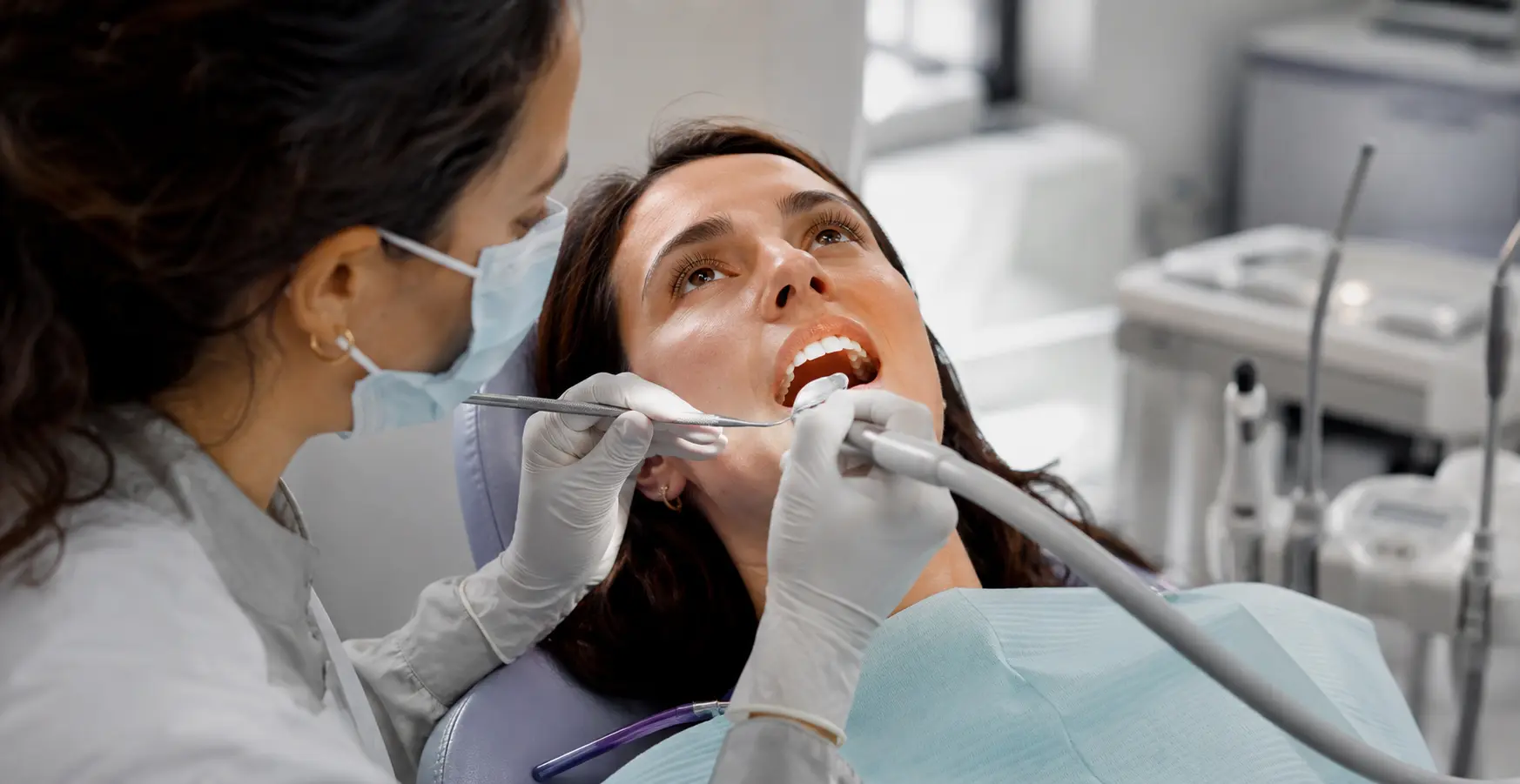
You catch your reflection and immediately think about those tiny gaps between your teeth, or that chip from years ago that never quite healed right, and you wonder if veneers could finally be the answer to the smile you’ve always wanted – so let’s break down the real veneers pros and cons before you commit to something permanent.
The upsides of veneers
Veneers deliver results that feel almost magical when you first see them. Imagine walking into your dentist’s office feeling self-conscious about discolored or uneven teeth, and walking out with a smile that looks professionally polished. For many women, this transformation goes beyond aesthetics. A 35-year-old marketing executive might finally feel confident enough to present in front of large audiences without covering her mouth when she smiles. Veneers are remarkably durable, often lasting 10 to 15 years with proper care, and they resist staining far better than natural teeth. Unlike whitening treatments that fade, veneers maintain their brightness. They can address multiple issues simultaneously: gaps, chips, slight misalignment, and discoloration all corrected in one procedure. The material bonds directly to your tooth, creating a seamless appearance that looks natural when done well. Many women report that the confidence boost extends into their personal lives, affecting everything from dating to job interviews.
- Enhance the appearance of your teeth and smile
- Offer a stain-resistant and durable solution
- Address multiple dental flaws with one procedure
The downsides of veneers
Here’s where the reality check matters. Veneers are irreversible. Your dentist must remove a thin layer of enamel from your tooth to make room for the veneer, and that enamel doesn’t grow back. This means once you commit, you’re committing to veneer maintenance for life. Some women experience increased tooth sensitivity after the procedure, especially to hot coffee or cold ice cream, because that protective enamel layer is gone. The cost is significant, typically ranging from 800 to 2,500 per tooth depending on materials and location. A full smile makeover of eight to ten veneers could easily exceed 10,000 to 20,000. Veneers can chip or crack if you bite down on hard objects or experience dental trauma. They may need replacement after 10 to 15 years, meaning additional costs down the road. Some women also report that veneers feel slightly different initially, though most adjust within a few weeks.
📘 Fix your day in under 2 minuteschoose where to begin:
Considering your options
Before scheduling your veneer appointment, pause and explore what’s actually driving your desire for change. Are you unhappy with staining? Professional teeth whitening costs a fraction of veneers and works well for many women. Are you concerned about minor gaps or slight misalignment? Orthodontics or clear aligners might address these issues without permanent tooth alteration. A consultation with your dentist should feel like a real conversation, not a sales pitch. Ask your dentist to show you before-and-after photos of their veneer work, specifically cases similar to your situation. Request a mock-up or digital preview of how your smile would look. Consider your lifestyle too: if you grind your teeth at night, veneers might not be ideal without a protective night guard. If you play contact sports, the risk of damage increases. Think about your budget realistically, including future replacement costs. Some women find that addressing one or two visible teeth with veneers while exploring other options for remaining teeth creates a balanced approach.
Taking the plunge
If you’ve decided veneers are right for you, the process typically spans two to three appointments. Your dentist will prepare your teeth, take impressions, and create temporary veneers while your permanent ones are crafted in a lab. The temporary veneers might feel slightly bulky or uncomfortable, but they protect your prepared teeth. When your permanent veneers arrive, your dentist will check the fit, shade, and bite before permanently bonding them. This is your moment to speak up about any concerns. After placement, follow your dentist’s aftercare instructions precisely. Avoid chewing on hard objects, ice, or your nails for at least 24 hours while the bonding sets fully. Use a soft-bristled toothbrush and non-abrasive toothpaste to protect the veneer surface. Many dentists recommend a night guard if you grind your teeth, which is common among women managing stress. Attend your scheduled follow-up appointments so your dentist can monitor how your veneers are settling and address any sensitivity issues early.
Final thoughts
Veneers can genuinely transform your smile and the confidence that comes with it, but they’re not a casual decision. They represent a commitment to lifelong dental maintenance and future costs. The best candidates are women who have realistic expectations, understand the irreversible nature of the procedure, and are prepared to care for their veneers consistently. Your smile is one of the first things people notice about you, and investing in it can feel meaningful. But that investment should be informed, deliberate, and aligned with your actual needs rather than social media trends or pressure from others. Take time to weigh the veneers pros and cons against your specific situation, budget, and lifestyle. Talk to multiple dentists if you’re uncertain. Look at their work. Ask questions until you feel confident. When you do move forward, you’ll do so with clarity and commitment rather than doubt.
Veneers offer a transformative solution for smile enhancement but come with lifelong maintenance and costs. It’s crucial to consider your options, consult with your dentist, and commit to proper aftercare for optimal results.
Are veneers a permanent solution?
Veneers are considered a permanent cosmetic procedure as they require alterations to your teeth’s structure for application. However, they may need replacement over time due to wear and tear.
Can veneers be whitened if they become discolored?
Unlike natural teeth, veneers are resistant to stains but cannot be whitened with traditional procedures. If your veneers become discolored, consult with your dentist for potential solutions.
Others also read:
Disclaimer: This article is for informational purposes only and is not a substitute for professional medical advice. Always consult a healthcare professional for personal guidance.
This guide has been prepared and reviewed by the GlobalHealthBeacon editorial team and reflects current medical research as of 2026. It provides structured, evidence-based information to support informed health decisions.
