You catch your reflection in the mirror and feel that familiar sting, that moment where you wish your smile matched the person you actually are inside, so let’s talk about veneers pros and cons and whether they’re really worth the investment at this stage of your life.
Exploring the benefits of veneers
There’s something almost magical about what happens when you finally get veneers done. Picture this: Margaret, a 68-year-old retired teacher, spent decades covering her mouth when she laughed because of stained and chipped teeth. After getting veneers, she told her dentist that for the first time in years, she felt like smiling without thinking twice. That transformation goes way beyond just teeth. When your smile looks the way you’ve always wanted it to, you stand a little taller at family gatherings, you engage more freely in conversations, and honestly, people respond to you differently. The confidence boost isn’t superficial either. It’s about reclaiming a part of yourself that dental issues had stolen. Many seniors report that improved aesthetics lead to more vibrant social interactions, better posture, and even a shift in how they see themselves. Veneers can cover discoloration, chips, gaps, and worn-down edges that years of living have created.
- Enhances smile aesthetics and covers years of wear
- Boosts confidence and self-esteem in social settings
- Improves social interactions and personal relationships
Navigating the drawbacks of veneers
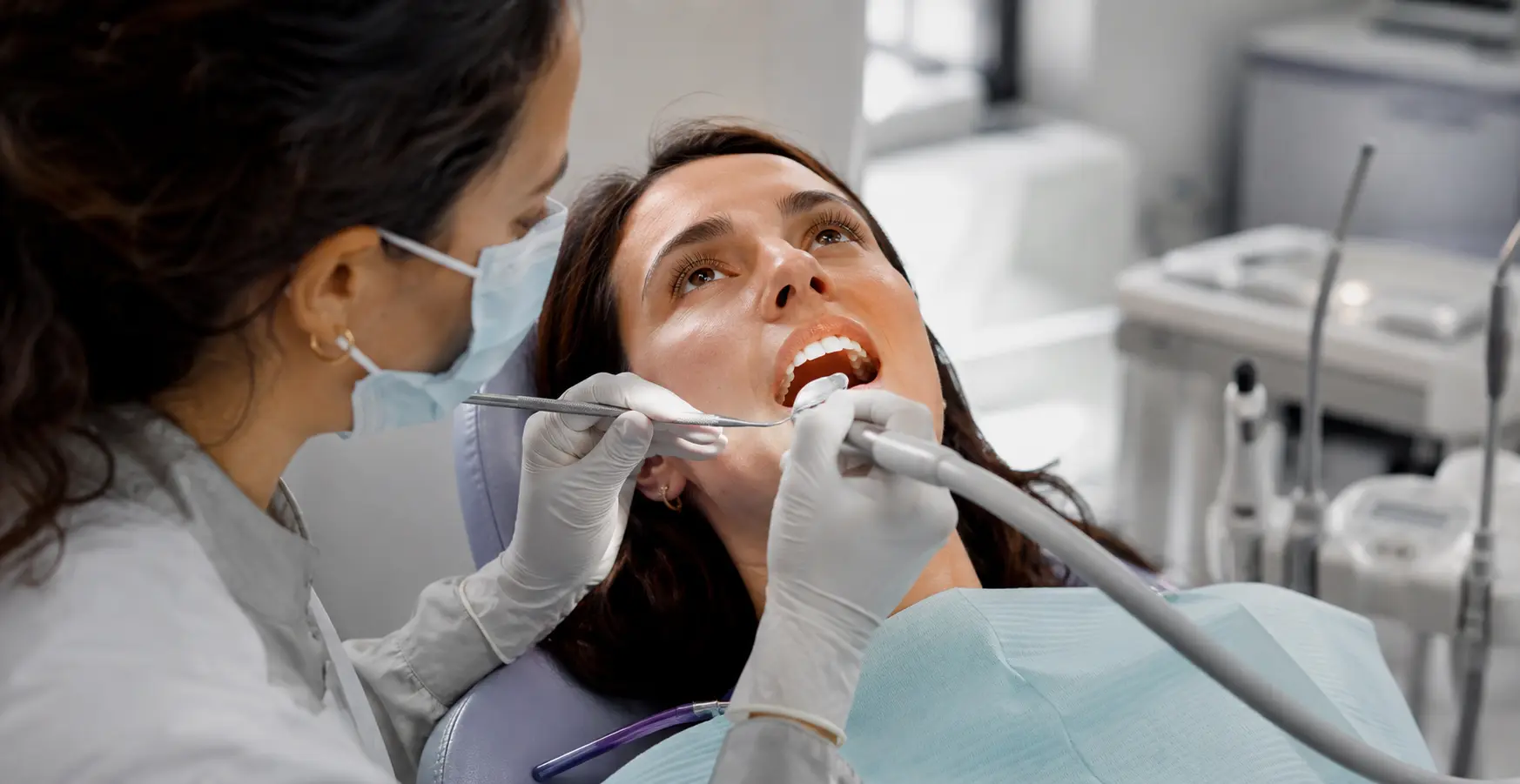
But here’s where honesty matters. Getting veneers isn’t a simple fix, and the process itself can be uncomfortable. Your dentist has to reshape your natural teeth, which means removing a thin layer of enamel. Some seniors experience sensitivity to hot and cold foods afterward, which can last weeks or even months. Then there’s the cost factor. Veneers aren’t cheap, and most insurance doesn’t cover them because they’re considered cosmetic. You’re looking at a significant investment upfront. There’s also the reality that veneers do need maintenance. You can’t bite into hard candies or use your teeth as tools anymore. Some people experience minor aesthetic imperfections after treatment, or the color doesn’t match their expectations. And while veneers last 10 to 15 years with good care, that means you might need replacement work down the road. It’s not a one-time solution, it’s a commitment.
💬 Ready to feel better in 2 minutes?choose where to begin:
Making an informed decision
So how do you decide if veneers are right for you? Start by honestly assessing your current dental health. Do you have underlying gum disease or decay? Those need addressing first. Next, think about your lifestyle and habits. Are you someone who grinds your teeth at night? Do you play contact sports? These factors matter because they affect how long your veneers will last. Consider your financial situation too. Can you comfortably afford the initial investment and potential future maintenance? Then there’s the personal preference piece. Some seniors feel veneers are exactly what they need to feel like themselves again. Others find that accepting their natural smile, age spots and all, feels more authentic. Talk to a dentist you trust, someone who will listen to your concerns and not just push you toward the procedure. Ask about alternatives like professional whitening or bonding. Get a second opinion if you’re uncertain. This decision deserves thoughtful consideration, not pressure.
Aftercare and maintenance tips
If you decide to move forward with veneers, the aftercare phase is crucial and honestly easier than you might think. Brush gently with a soft-bristled toothbrush, avoiding aggressive scrubbing near the gum line. Floss daily, but be careful not to snap the floss against your veneers. Avoid extremely hot or cold foods and drinks right after placement, as your teeth may be sensitive. Skip the hard candies, ice chewing, and using your teeth to open packages. Consider a night guard if you grind your teeth. Attend regular dental check-ups every six months so your dentist can monitor the condition and catch any issues early. If you notice any chips, cracks, or color changes, contact your dentist promptly. Many seniors find that treating veneers like an investment they care for actually becomes a helpful routine that keeps them engaged with their dental health overall.
Veneers offer a transformative solution for enhancing smile aesthetics and boosting confidence, yet they come with potential drawbacks like tooth sensitivity and maintenance requirements. Seniors evaluating veneers should consider personal factors and consult with a dentist for tailored advice on whether this cosmetic option is suitable for them.
How long do veneers typically last?
Veneers can last between 10 to 15 years with proper care and maintenance. Regular dental check-ups can help monitor the condition of your veneers and address any issues early.
Are veneers reversible?
The process of getting veneers is typically irreversible, as it involves reshaping the natural teeth to accommodate the veneers. It’s crucial to consult with a dentist to fully understand the implications before committing to the procedure.
Others also read:
Disclaimer: This article is for informational purposes only and is not a substitute for professional medical advice. Always consult a healthcare professional for personal guidance.
This article presents an experience-based perspective and has been reviewed by the GlobalHealthBeacon editorial team in 2026. It provides structured, evidence-based information to support informed health decisions.
