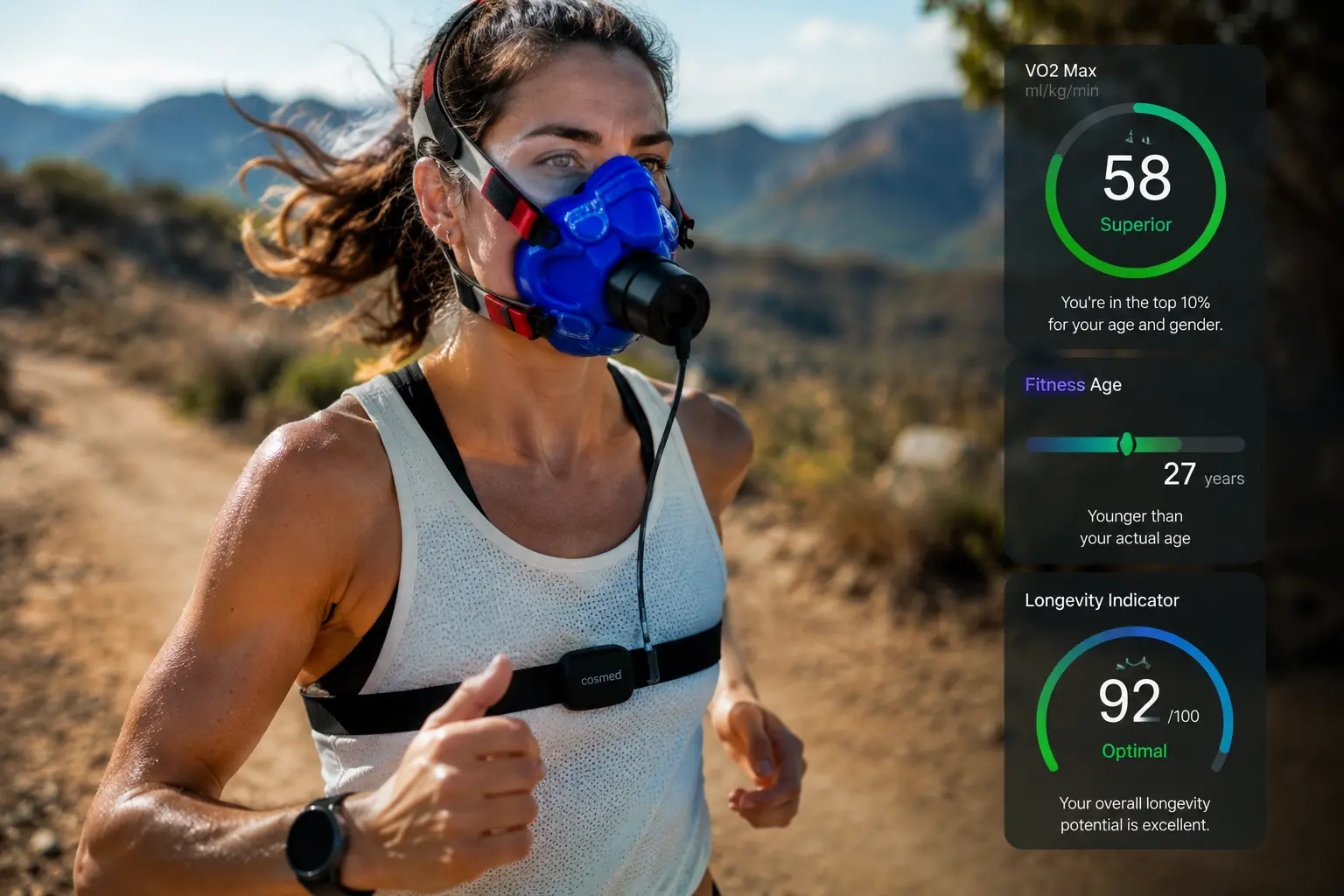
You’re watching your peers slow down, catching their breath after climbing stairs, and wondering if this is just what happens when you get older, but here’s what nobody tells you: your vo2 max longevity marker is still in your hands, and the science says you can reclaim it.
Understanding VO2 max: what is it?
VO2 max represents the maximum amount of oxygen your body can utilize during intense exercise, measured in milliliters of oxygen per kilogram of body weight per minute. Think of it as your cardiovascular engine’s horsepower. When you walk up a flight of stairs without feeling winded, or swim laps without gasping for air, you’re experiencing the benefits of a healthy VO2 max. For seniors, this metric becomes increasingly important because it directly correlates with independence, longevity, and quality of life. A 70-year-old with a VO2 max of 25 ml/kg/min can typically perform daily activities like gardening, playing with grandchildren, or traveling without excessive fatigue. The measurement itself comes from a stress test where you exercise on a treadmill or stationary bike while your oxygen consumption is monitored. Understanding this number gives you a concrete baseline from which to track improvements over time.
- The higher your VO2 max, the better your cardiovascular endurance and overall longevity potential.
- VO2 max naturally decreases with age at roughly 10 percent per decade after age 25, but regular aerobic exercise can slow or even reverse this decline.
- VO2 max is measured in milliliters of oxygen per kilogram of body weight per minute (ml/kg/min) and provides a standardized way to compare fitness across different body sizes.
Common myths about VO2 max for seniors
Many seniors accept the false belief that cardiovascular decline is inevitable and unchangeable after 60 or 70. This myth often leads to sedentary lifestyles that actually accelerate fitness loss. Research from major universities consistently shows that seniors who engage in regular aerobic training improve their VO2 max by 15 to 25 percent over six months. Consider Margaret, a 68-year-old who believed her shortness of breath during gardening was simply age-related. After starting a structured walking and cycling program, her VO2 max improved from 18 to 22 ml/kg/min within four months, and she returned to activities she thought were behind her. Another common myth suggests that only intense, exhausting workouts build cardiovascular fitness. In reality, consistent moderate-intensity exercise like brisk walking, water aerobics, or leisurely cycling produces significant gains for seniors. The key is consistency and gradual progression, not punishing intensity.
📘 Fix your day in under 2 minuteschoose where to begin:
Strategies to boost your VO2 max naturally
Building cardiovascular fitness as a senior requires a strategic approach tailored to your current fitness level and any existing health conditions. Start with aerobic activities you genuinely enjoy: walking at a pace where you can talk but not sing, cycling on flat or gentle terrain, swimming, or water walking. These activities strengthen your heart and lungs without excessive joint stress. A practical example: begin with 20 to 30 minutes of moderate-intensity activity three times weekly, then gradually increase duration to 45 minutes or frequency to five days per week. High-intensity interval training, or HIIT, involves alternating short bursts of harder effort with recovery periods. For seniors, this might mean walking briskly for two minutes, then recovering with slower walking for two minutes, repeated five to eight times. Always consult your doctor before starting HIIT. Resistance training twice weekly complements aerobic work by building muscle that supports cardiovascular function. A fitness professional can design a program matching your abilities and goals, ensuring safety and effectiveness.
Importance of monitoring your VO2 max
Tracking your VO2 max transforms abstract fitness goals into measurable progress you can actually see. Many seniors find that knowing their baseline number creates motivation and accountability. You might start at 20 ml/kg/min and set a goal of reaching 24 ml/kg/min within six months. Progress monitoring typically happens through formal testing at a fitness center or doctor’s office, though some wearable devices estimate VO2 max based on heart rate and activity data. Between formal tests, track related metrics like how far you can walk without stopping, how quickly your heart rate recovers after exercise, or whether you can climb stairs more easily. These real-world improvements often matter more than the number itself. James, a 72-year-old, retested his VO2 max quarterly and discovered that his consistent walking routine improved his score from 19 to 26 ml/kg/min over 18 months. Seeing that progression kept him committed during weeks when motivation wavered. Regular monitoring also helps your doctor assess cardiovascular health and adjust any medications if needed.
Nutrition and hydration tips for optimal VO2 max
Your diet directly supports your body’s ability to transport and utilize oxygen. Iron-rich foods like lean beef, poultry, beans, and spinach help your blood carry oxygen efficiently. Antioxidant-rich fruits and vegetables, especially berries, leafy greens, and colorful produce, reduce exercise-induced inflammation and support recovery. Omega-3 fatty acids from fish, walnuts, and flaxseeds improve blood flow and heart health. Adequate protein, roughly 1.0 to 1.2 grams per kilogram of body weight daily, supports muscle maintenance that powers aerobic activity. Hydration is equally critical: dehydration reduces blood volume, forcing your heart to work harder and limiting oxygen delivery to muscles. Aim for eight to ten glasses of water daily, more on exercise days. A practical approach: drink water consistently throughout the day rather than trying to catch up in one sitting. Before exercise, drink 16 to 20 ounces two hours prior, then four to eight ounces 15 to 20 minutes before starting. After exercise, drink 16 to 24 ounces for every pound of body weight lost during activity. These nutrition and hydration habits work synergistically with your training to maximize cardiovascular improvements.
Understanding VO2 max as a key marker for cardiovascular fitness is essential for seniors looking to improve their overall health. By dispelling common myths and focusing on natural ways to boost VO2 max, seniors can enhance their longevity and quality of life.
Can seniors improve their VO2 max through exercise?
Yes, seniors can improve their VO2 max through regular exercise, especially aerobic activities and HIIT. Consult with a fitness professional for personalized guidance.
Why is monitoring VO2 max important for seniors?
Monitoring your VO2 max allows you to track improvements in your cardiovascular fitness levels and make necessary adjustments to your exercise routine for optimal health benefits.
Others also read:
Disclaimer: This article is for informational purposes only and is not a substitute for professional medical advice. Always consult a healthcare professional for personal guidance.
This guide has been prepared and reviewed by the GlobalHealthBeacon editorial team and reflects current medical research as of 2026. It provides structured, evidence-based information to support informed health decisions.
