You’re climbing stairs and running out of breath faster than you used to, and it’s making you wonder if your body is telling you something important about your future, because understanding your vo2 max longevity marker might be the single most revealing number about how long and how well you’ll actually live.
What is vo2 max?
Vo2 max, or maximal oxygen consumption, represents the maximum amount of oxygen your body can utilize during intense physical exertion, measured in milliliters of oxygen per kilogram of body weight per minute. Think of it as your cardiovascular engine’s horsepower. When you exercise hard, your lungs pull in oxygen, your heart pumps it through your bloodstream, and your muscles burn it for energy. Vo2 max captures that entire system’s peak performance. A 65-year-old man might have a vo2 max around 35 ml/kg/min, while a highly active senior could reach 45 or higher. The decline is real and measurable, but it’s not inevitable. Research shows that sedentary individuals lose about 10 percent of their vo2 max per decade after age 25, yet those who stay active can cut that loss in half. This single metric has become a reliable predictor of cardiovascular fitness and overall longevity because it reflects how efficiently your entire aerobic system works together.
The significance of vo2 max for longevity
The connection between vo2 max and how long you live isn’t theoretical anymore. Large-scale studies following thousands of people over decades have shown that individuals with higher vo2 max scores live significantly longer and experience fewer chronic diseases. A landmark study published in medical journals tracked over 55,000 adults and found that those in the highest vo2 max category had mortality rates 30 percent lower than those in the lowest category. Beyond just living longer, people with better cardiorespiratory fitness report fewer heart attacks, strokes, and cases of type 2 diabetes. They also maintain independence longer in their senior years, climb stairs without stopping to rest, and play with grandchildren without exhaustion. The biological reason is straightforward: a stronger cardiovascular system delivers oxygen more efficiently to every organ, reduces inflammation, improves blood sugar control, and strengthens the heart muscle itself. When your vo2 max is higher, your body is literally more resilient to the diseases that commonly affect aging adults.
Factors influencing vo2 max
Your vo2 max isn’t fixed by fate, though three major factors shape it. Age naturally reduces vo2 max because your heart becomes less efficient at pumping blood, your muscles lose some oxygen-processing capacity, and your lung function gradually declines. A 70-year-old typically has 20 to 30 percent lower vo2 max than at age 30, but this decline accelerates dramatically in sedentary people and slows considerably in active ones. Genetics load the gun, but lifestyle pulls the trigger. Your parents’ cardiovascular capacity influences your starting point, but research shows that lifestyle factors override genetics in most cases. Someone born with average genetic potential can achieve a vo2 max in the top 25 percent through consistent training, while someone with excellent genes will decline rapidly without activity. Physical activity is the game-changer. Regular aerobic exercise directly strengthens your heart, increases the number of mitochondria in muscle cells, and improves oxygen delivery throughout your body. A 68-year-old who takes up swimming three times weekly can improve vo2 max by 15 to 20 percent within six months.
- Engage in aerobic activities like walking, swimming, or cycling for at least 150 minutes per week, spreading sessions across multiple days to allow recovery and build consistency without overwhelming your body.
- Incorporate high-intensity interval training (HIIT) once or twice weekly by alternating short bursts of harder effort with recovery periods, such as brisk walking for two minutes followed by slower walking for three minutes.
- Consult with a healthcare provider before starting any new exercise program, especially if you have underlying health conditions, take medications, or have been sedentary for an extended period.
🔬 Science-backed benefits in 2 minuteschoose where to begin:
Measuring vo2 max
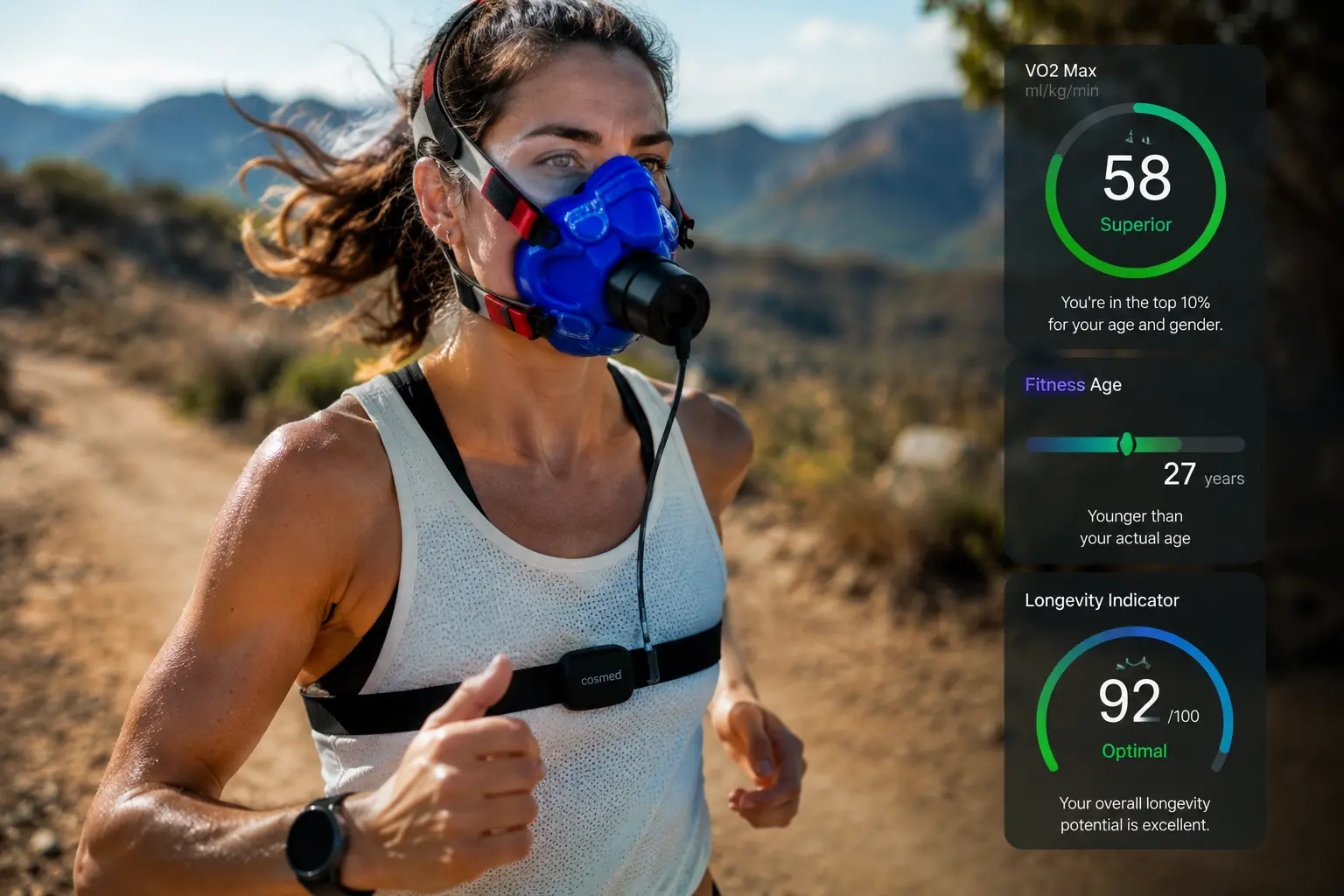
Measuring vo2 max accurately requires a graded exercise test in a clinical laboratory where trained technicians monitor your oxygen consumption directly. You’ll typically walk or cycle on a machine while wearing a mask that captures exhaled air, allowing equipment to measure exactly how much oxygen your body uses at different intensity levels. The test starts easy and progressively increases in difficulty until you reach exhaustion or can’t continue safely. This direct measurement is the gold standard but requires specialized equipment and medical supervision. For most people, estimated vo2 max calculators provide useful approximations based on age, gender, weight, resting heart rate, and exercise habits. These online tools use validated formulas and typically come within 10 to 15 percent of actual measured values. Some fitness trackers and smartwatches now estimate vo2 max using heart rate data during exercise, offering convenient tracking over time. While estimates aren’t as precise as lab measurements, they’re reliable enough to track your progress and identify whether your training is improving your cardiorespiratory fitness.
Improving vo2 max
Enhancing your vo2 max requires a strategic approach combining different types of exercise. Aerobic activities like brisk walking, swimming, or cycling form the foundation, building your cardiovascular base by training your heart to pump more efficiently. Aim for steady-state exercise where you can talk but not sing, typically 60 to 70 percent of your maximum heart rate. Interval training amplifies these gains by challenging your system with brief intense efforts followed by recovery. A practical example: during a 30-minute walk, include five intervals where you walk briskly for two minutes, then recover at a comfortable pace for three minutes. Strength training complements aerobic work by building muscle that demands oxygen and improves overall metabolic health. Consistency matters far more than intensity. Someone exercising moderately four times weekly will improve faster than someone doing intense workouts once monthly. Most people see measurable improvements within 8 to 12 weeks of regular training. The encouraging truth is that even small amounts of activity help. A sedentary senior starting with three 20-minute walks weekly will see meaningful gains in vo2 max and feel noticeably less winded during daily activities.
Nutrition and vo2 max
What you eat directly influences your cardiovascular capacity and vo2 max potential. A diet rich in fruits and vegetables provides antioxidants that reduce inflammation in blood vessels and support heart health. Whole grains deliver sustained energy and fiber that stabilizes blood sugar, reducing strain on your cardiovascular system. Lean proteins like fish, chicken, and legumes build muscle tissue that requires oxygen during exercise, while healthy fats from olive oil, nuts, and avocados support blood vessel flexibility and reduce harmful inflammation. Hydration is often overlooked but critical because dehydration thickens blood, making your heart work harder to pump it. Aim for consistent fluid intake throughout the day, not just during exercise. Processed foods high in sodium and added sugars promote inflammation and blood pressure elevation, directly undermining your vo2 max gains. A practical approach: build meals around vegetables, add a lean protein source, include whole grains, and use healthy fats for cooking. Maintaining a healthy weight reduces the workload on your cardiovascular system, allowing your heart to function more efficiently. These nutritional choices work synergistically with exercise to optimize your cardiorespiratory fitness.
Understanding vo2 max as a longevity marker is crucial for assessing your cardiovascular health and overall well-being. Factors like age, genetics, and physical activity influence vo2 max, impacting your longevity potential significantly.
Can vo2 max be improved with age?
While vo2 max tends to naturally decline with age, regular exercise, particularly aerobic activities and interval training, can help slow down this decline and improve vo2 max levels in older adults.
What role does genetics play in determining vo2 max?
Genetics can influence an individual’s vo2 max potential, but the impact can be modified through lifestyle factors such as regular exercise and a healthy diet.
Others also read:
Disclaimer: This article is for informational purposes only and is not a substitute for professional medical advice. Always consult a healthcare professional for personal guidance.
This article has been prepared and reviewed by the GlobalHealthBeacon editorial team and is based on current medical research and published scientific literature available in 2026. It provides structured, evidence-based information to support informed health decisions.
