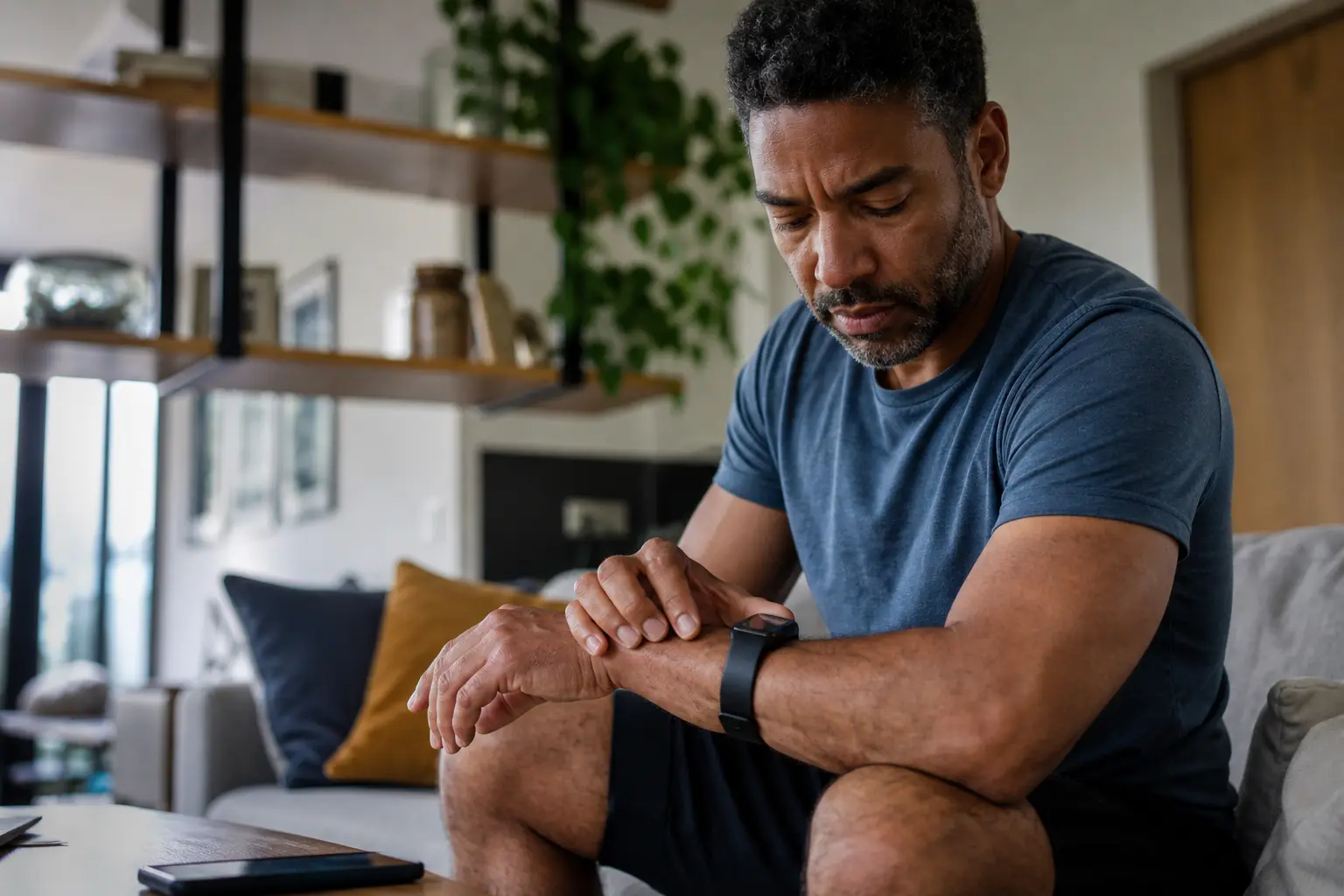
You’re tired of guessing whether your heart rate is normal, wondering if you’re actually getting enough sleep, or feeling like you’re the only one struggling to stay on top of your health without constant doctor visits, so it’s time to understand wearables preventive health accuracy and take control of what’s actually happening inside your body.
Understanding wearable options
The wearable market can feel overwhelming at first glance. You’ll find smartwatches packed with features, lightweight fitness trackers designed for simplicity, and specialized health monitors that focus on specific metrics like blood pressure or oxygen levels. Start by identifying what matters most to you. Are you primarily interested in tracking daily steps and calories, or do you need detailed sleep analysis and heart rate variability data? Consider a real scenario: Sarah wanted to monitor her irregular heartbeat patterns, so she chose a smartwatch with advanced ECG capabilities rather than a basic fitness tracker. Read reviews from women with similar health goals, not just generic tech reviewers. Check battery life carefully, especially if you travel frequently or prefer not charging devices daily. Verify smartphone compatibility and whether the app interface feels intuitive to you. Look beyond the basics to features like water resistance if you swim, menstrual cycle tracking if relevant to your health goals, and stress monitoring if you manage anxiety.
- Explore various wearable options such as smartwatches, fitness trackers, and health monitors.
- Read user reviews and expert opinions to gather insights on the performance and reliability of each device.
- Check for additional features like heart rate monitoring, GPS tracking, sleep analysis, and waterproof design depending on your preferences.
Setting up your wearable
Once your device arrives, resist the urge to skip the setup process. The manufacturer’s instructions exist for a reason, and proper configuration ensures accurate data collection from day one. Download the companion app on your smartphone before unboxing your wearable, then follow the pairing steps carefully. During setup, you’ll input personal information like height, weight, and age, which the device uses to calculate metrics accurately. Take time to customize your settings: adjust notification preferences so you’re not constantly interrupted, set your activity goals realistically based on your current fitness level, and enable any health tracking features relevant to you. For example, if you have a history of sleep issues, activate detailed sleep tracking immediately. Sync your device to your health ecosystem if you use other apps like MyFitnessPal or Apple Health. Many women find it helpful to set a specific time each day to charge their device, treating it like brushing teeth, so the habit becomes automatic and you never miss data collection.
📘 Fix your day in under 2 minuteschoose where to begin:
Daily monitoring and maintenance
Consistency is where the real value of wearables emerges. Wearing your device daily, even during sleep, creates a complete picture of your health patterns over time. You’ll start noticing trends that single snapshots can’t reveal, like how your heart rate responds to stress or how your sleep quality fluctuates with your menstrual cycle. Keep your wearable clean by wiping it with a soft cloth several times weekly, especially if you exercise regularly or live in a humid climate. Sweat and moisture can affect sensor accuracy and device longevity. Establish a charging routine that fits your schedule, whether that’s every evening or every other night depending on battery life. Consider this scenario: Maria wore her fitness tracker inconsistently for months and saw no meaningful patterns, but once she committed to wearing it 24/7 for eight weeks, she discovered that her sleep quality dropped significantly after high-stress workdays, which helped her prioritize evening relaxation. The device itself requires minimal maintenance, but your commitment to wearing it consistently determines whether you get actionable insights or just random data points.
Utilizing health data
Raw numbers mean nothing without interpretation. Your wearable collects data, but you must become the analyst of your own health story. Spend time each week reviewing your app’s dashboard, looking for patterns rather than obsessing over daily fluctuations. Notice when your resting heart rate increases, which might signal illness or stress. Track how specific activities affect your energy and sleep. For instance, if you notice that evening workouts consistently disrupt your sleep, you might shift exercise to morning hours. Use the data to test hypotheses about your body: does caffeine after 2 PM really affect your sleep? Does a particular food make you feel sluggish? Your wearable becomes a personal experiment tool. Create simple notes alongside your data, like marking stressful days or noting dietary changes, so you can correlate external factors with your metrics. Many women find that visualizing their progress over weeks and months provides motivation and clarity that daily weigh-ins or single doctor visits never could. Share interesting findings with your healthcare provider to create a more complete health picture.
Consulting healthcare professionals
Your wearable is a powerful information tool, not a diagnostic device. It can alert you to patterns worth investigating, but it cannot replace professional medical judgment. Bring your wearable data to appointments with your doctor, especially if you’ve noticed concerning trends like consistently elevated resting heart rate, irregular sleep patterns, or unusual activity changes. Healthcare providers increasingly value patient-collected data because it provides context they don’t get from a single office visit. For example, if you’ve been tracking your heart rate for months and suddenly notice it’s elevated, that historical data helps your doctor understand whether this is a new development or a chronic pattern. Be honest about what the data shows and what worries you, but avoid self-diagnosing based on internet searches. Some women become anxious about minor fluctuations that are completely normal, so professional perspective helps. Your wearable works best as part of a collaborative approach where you monitor your health actively and your healthcare provider interprets findings within the context of your complete medical history and physical examination.
This article provides a comprehensive guide for women on selecting, using, and benefiting from wearables that monitor preventive health accuracy. Learn how to choose the right device, set it up, utilize data effectively, and collaborate with healthcare professionals for optimal health outcomes.
Are wearables accurate for monitoring health data?
Wearable devices have improved in accuracy over the years, providing reliable data on metrics like heart rate, activity levels, and sleep patterns. However, they may vary in precision depending on the brand and model.
Can wearables replace regular health check-ups?
While wearables offer valuable insights into your health trends, they should not replace routine medical check-ups or consultations with healthcare professionals. It’s essential to combine wearable data with professional advice for a comprehensive view of your well-being.
Others also read:
Disclaimer: This article is for informational purposes only and is not a substitute for professional medical advice. Always consult a healthcare professional for personal guidance.
This guide has been prepared and reviewed by the GlobalHealthBeacon editorial team and reflects current medical research as of 2026. It provides structured, evidence-based information to support informed health decisions.
